


Are acid or alkali resistant membrane elements resistant to abrasion?
Jul 23, 2025
Leave a message
Hey there! As a supplier of acid or alkali resistant membrane elements, I often get asked a really interesting question: Are acid or alkali resistant membrane elements resistant to abrasion? Well, let's dive right into this topic and find out.
First off, let's understand what acid or alkali resistant membrane elements are. These are specialized membranes that are designed to withstand harsh chemical environments. They're used in a whole bunch of industries, like chemical processing, wastewater treatment, and food and beverage production. For instance, in chemical processing plants, these membranes help separate different substances while being exposed to strong acids or alkalis. And in wastewater treatment, they play a crucial role in filtering out contaminants without getting damaged by the acidic or alkaline nature of the water.
Now, the big question about abrasion resistance. Abrasion is basically the wearing away of a material due to friction. In industrial settings, membranes can be exposed to all sorts of things that might cause abrasion - like solid particles in the fluid they're filtering, or even the mechanical movement within the filtration system.
When it comes to acid or alkali resistant membrane elements, the answer to the abrasion resistance question isn't a simple yes or no. It depends on a few factors.
Material Composition
The materials used to make these membranes are super important. Some acid or alkali resistant membranes are made from polymers that have inherent strength and flexibility. These polymers can offer a certain level of protection against abrasion. For example, certain types of fluoropolymers are known for their chemical resistance as well as their ability to resist wear and tear. They have a smooth surface that reduces friction, which in turn helps prevent abrasion.
On the other hand, some membranes might be made from more brittle materials. Even though they're great at resisting acids or alkalis, they might not hold up as well when it comes to abrasion. These materials can crack or chip when they come into contact with abrasive particles, which can compromise the performance of the membrane.
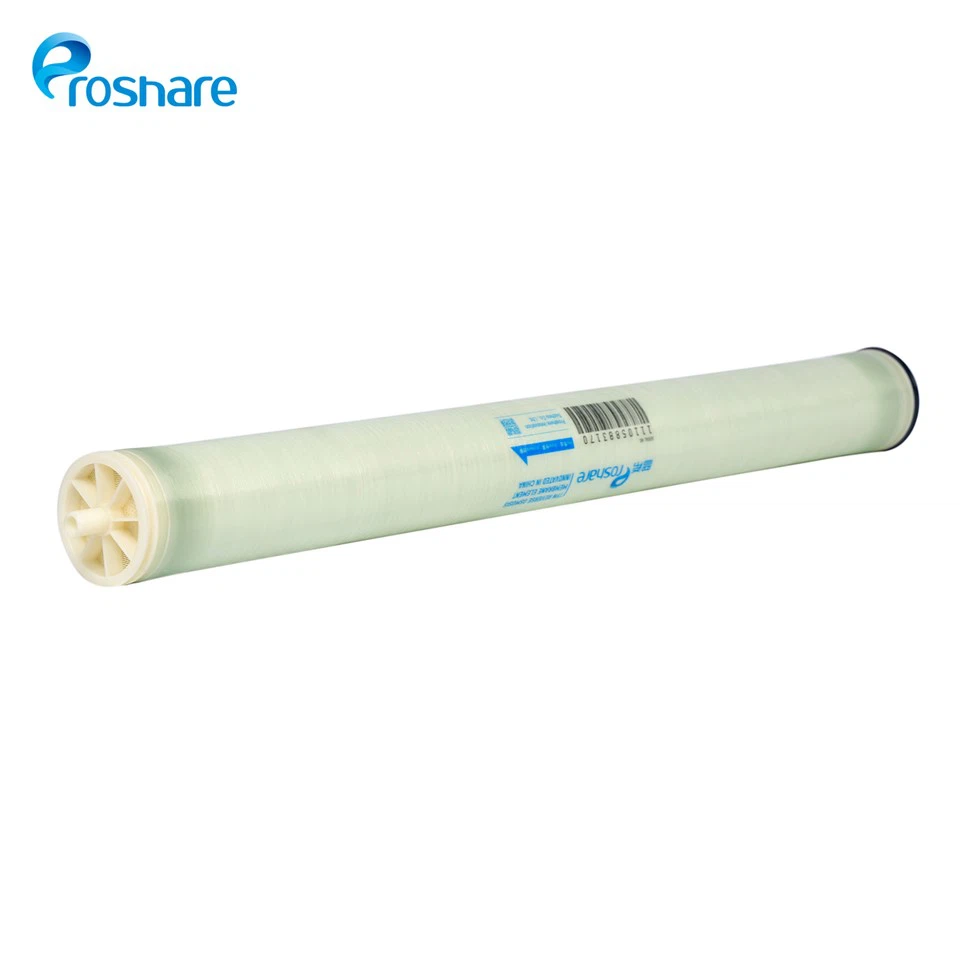
If you're interested in a special type of acid resistant membrane element, you can check out this Special Acid Resistant Membrane Element. It's got a unique composition that gives it good chemical resistance, and we'll talk more about how that might relate to abrasion resistance later.

Design and Structure
The design of the membrane also plays a huge role. Some membranes are designed with a thicker structure, which can provide more protection against abrasion. A thicker membrane has more material to wear away before it starts to fail. Additionally, the way the membrane is constructed - like whether it has a layered design or a reinforced structure - can impact its abrasion resistance.
For example, the Unique Component Of An Acid-resistant Membrane 8040 has a specific design that not only helps it resist acids but also gives it some level of protection against abrasion. The components are arranged in a way that distributes the stress caused by abrasion more evenly across the membrane, reducing the chances of localized damage.
Operating Conditions
The environment in which the membrane operates is a major factor. If the fluid being filtered contains a high concentration of abrasive particles, like sand or metal shavings, the membrane is going to face a much higher risk of abrasion. Similarly, if the flow rate of the fluid is very high, it can increase the force of the particles hitting the membrane, leading to more wear and tear.
In some cases, the temperature of the fluid can also affect abrasion resistance. High temperatures can make some materials more brittle, which makes them more susceptible to cracking and abrasion. So, it's really important to consider all these operating conditions when evaluating the abrasion resistance of acid or alkali resistant membrane elements.
Testing and Evaluation
To figure out just how abrasion resistant a particular membrane is, we use a variety of testing methods. One common test is the Taber abrasion test. In this test, a small sample of the membrane is rubbed against an abrasive wheel for a certain number of cycles. Then, we measure the amount of material that has been worn away.
Another test is the sandpaper abrasion test. We rub the membrane against sandpaper with a specific grit size and measure the damage. These tests give us a good idea of how the membrane will perform in real-world situations.
Balancing Chemical and Abrasion Resistance
As a supplier, we're always looking for ways to balance the need for acid or alkali resistance with abrasion resistance. Sometimes, improving one property can come at the expense of the other. For example, adding certain additives to the membrane material to increase its chemical resistance might make it more brittle and less abrasion resistant.
That's why we're constantly researching and developing new materials and designs. We want to create membranes that can withstand both harsh chemical environments and abrasive conditions.
Case Studies
Let's take a look at a couple of real-world examples. In a chemical manufacturing plant, they were using acid resistant membrane elements to filter a fluid that contained some small abrasive particles. At first, they noticed that the membranes were wearing out quickly. After some investigation, we found that the membranes they were using had a relatively thin structure and were made from a material that was a bit too brittle.
We recommended switching to a Special Alkali Resistant Membrane Element that had a thicker design and a more flexible polymer composition. This new membrane was able to resist both the acid in the fluid and the abrasion caused by the particles. The plant saw a significant improvement in the lifespan of the membranes, which saved them a lot of money in the long run.
Conclusion
So, to sum it up, acid or alkali resistant membrane elements can be resistant to abrasion, but it depends on a bunch of factors like material composition, design, and operating conditions. As a supplier, we're always working to develop membranes that offer the best of both worlds - strong chemical resistance and good abrasion resistance.
If you're in an industry that requires acid or alkali resistant membrane elements and you're worried about abrasion, we'd love to have a chat with you. We can help you choose the right membrane for your specific needs. Whether you're dealing with a highly abrasive fluid or just need a membrane that can handle a little wear and tear, we've got the expertise to find the perfect solution. So, don't hesitate to reach out and start a conversation about your procurement needs.
References
- ASTM International. (20XX). Standard test methods for abrasion resistance of organic coatings by the Taber abrader. ASTM D4060.
- ISO. (20XX). International standard for abrasion testing of plastics - Part X. ISO XXXX.
Send Inquiry