


How do industrial membranes work in the treatment of pharmaceutical wastewater?
Dec 26, 2025
Leave a message
Industrial membranes play a crucial role in the treatment of pharmaceutical wastewater, offering efficient and reliable solutions for removing contaminants and purifying water. As a leading industrial membrane supplier, we understand the importance of providing high-quality membranes that can meet the specific needs of the pharmaceutical industry. In this blog post, we will explore how industrial membranes work in the treatment of pharmaceutical wastewater and highlight some of our key membrane products.
The Challenges of Pharmaceutical Wastewater Treatment
Pharmaceutical wastewater is a complex mixture of various contaminants, including organic compounds, heavy metals, antibiotics, and pathogens. These contaminants can have a significant impact on the environment and human health if not properly treated. The treatment of pharmaceutical wastewater is particularly challenging due to the presence of highly toxic and persistent pollutants, as well as the strict regulatory requirements for wastewater discharge.
How Industrial Membranes Work in Pharmaceutical Wastewater Treatment
Industrial membranes are semi-permeable barriers that allow the selective passage of certain substances while blocking others. In the treatment of pharmaceutical wastewater, membranes are used to separate contaminants from water based on their size, charge, and solubility. There are several types of industrial membranes commonly used in pharmaceutical wastewater treatment, including microfiltration (MF), ultrafiltration (UF), nanofiltration (NF), and reverse osmosis (RO).
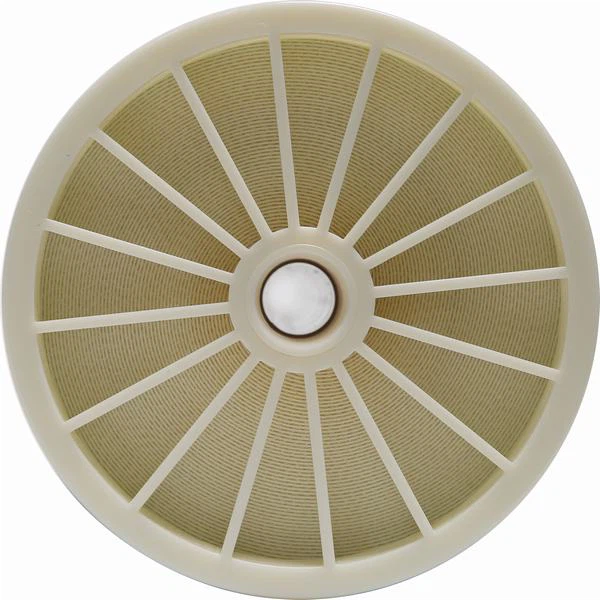

Microfiltration (MF)
Microfiltration membranes have relatively large pore sizes (typically between 0.1 and 10 micrometers) and are used to remove large particles, such as suspended solids, bacteria, and some viruses. MF membranes are often used as a pre-treatment step before other membrane processes to protect downstream membranes from fouling.
Ultrafiltration (UF)
Ultrafiltration membranes have smaller pore sizes (typically between 0.001 and 0.1 micrometers) and can remove smaller particles, such as colloids, proteins, and some macromolecules. UF membranes are commonly used for the separation of biological macromolecules, such as enzymes and antibodies, in the pharmaceutical industry.
Nanofiltration (NF)
Nanofiltration membranes have even smaller pore sizes (typically between 0.001 and 0.01 micrometers) and can remove divalent ions, organic compounds, and some small molecules. NF membranes are often used for the removal of color, odor, and organic contaminants from pharmaceutical wastewater.
Reverse Osmosis (RO)
Reverse osmosis membranes have the smallest pore sizes (typically less than 0.001 micrometers) and can remove almost all dissolved solids, including salts, heavy metals, and organic compounds. RO membranes are the most effective membrane process for the purification of pharmaceutical wastewater and are commonly used for the production of high-quality water for pharmaceutical manufacturing.
Our Key Membrane Products for Pharmaceutical Wastewater Treatment
As an industrial membrane supplier, we offer a wide range of membrane products that are specifically designed for the treatment of pharmaceutical wastewater. Our key membrane products include:
- Element Of A Special High Temperature Resistant Membrane 8040: This membrane element is specially designed to withstand high temperatures and is suitable for applications where the wastewater contains high-temperature components.
- Unique Oxidation-Resistant Membrane 8040: This membrane element is highly resistant to oxidation and is ideal for the treatment of pharmaceutical wastewater that contains strong oxidizing agents.
- 8040 Unique Membrane Element Resistant To High Temperatures: This membrane element combines high temperature resistance and oxidation resistance, making it suitable for a wide range of pharmaceutical wastewater treatment applications.
The Benefits of Using Our Membranes in Pharmaceutical Wastewater Treatment
By using our membranes in the treatment of pharmaceutical wastewater, you can enjoy the following benefits:
- High Efficiency: Our membranes offer high flux and rejection rates, allowing for the efficient removal of contaminants from pharmaceutical wastewater.
- Long Service Life: Our membranes are made from high-quality materials and are designed to withstand harsh operating conditions, ensuring a long service life and reliable performance.
- Low Maintenance: Our membranes require minimal maintenance, reducing operating costs and downtime.
- Compliance with Regulations: Our membranes are designed to meet the strict regulatory requirements for wastewater discharge in the pharmaceutical industry, ensuring environmental protection and compliance.
Contact Us for More Information
If you are interested in learning more about our industrial membranes for pharmaceutical wastewater treatment, please contact us today. Our team of experts will be happy to provide you with detailed information about our products and services, as well as to help you select the most suitable membrane solution for your specific needs. Let's work together to achieve efficient and sustainable pharmaceutical wastewater treatment.
References
- Cheryan, M. (1998). Ultrafiltration and Microfiltration Handbook. Technomic Publishing Company, Inc.
- Baker, R. W. (2004). Membrane Technology and Applications. John Wiley & Sons, Ltd.
- Noble, R. D., & Stern, S. A. (1995). Membrane Separations Technology: Principles and Applications. Elsevier Science B.V.
Send Inquiry