


How does the structure of high temperature or oxidation resistant membrane elements affect their performance?
Sep 12, 2025
Leave a message
High temperature or oxidation resistant membrane elements play a crucial role in various industrial applications, such as chemical processing, energy production, and environmental protection. As a supplier of these advanced membrane elements, I have witnessed firsthand how the structure of these membranes significantly impacts their performance. In this blog post, I will delve into the relationship between the structure of high temperature or oxidation resistant membrane elements and their performance, highlighting the key factors that determine their effectiveness.
Understanding the Basics of High Temperature or Oxidation Resistant Membranes
Before discussing how structure affects performance, it's important to understand what high temperature or oxidation resistant membranes are. These membranes are designed to withstand extreme conditions, including high temperatures, oxidative environments, and harsh chemicals. They are typically made from materials such as ceramics, metals, or polymers that have inherent resistance to heat and oxidation.
The primary function of these membranes is to separate different components in a mixture based on their size, shape, or chemical properties. For example, in a gas separation process, the membrane allows certain gases to pass through while blocking others. In a liquid filtration application, the membrane retains particles and contaminants while allowing the clean liquid to pass.
The Role of Structure in Membrane Performance
The structure of a high temperature or oxidation resistant membrane element can be classified into several levels, including the molecular structure, the microstructure, and the macroscopic structure. Each level of structure has a direct impact on the membrane's performance in terms of permeability, selectivity, mechanical strength, and chemical stability.
Molecular Structure
The molecular structure of the membrane material determines its basic chemical and physical properties. For instance, polymers with a high degree of cross - linking tend to have better mechanical strength and chemical resistance. In the case of ceramic membranes, the crystal structure and the arrangement of atoms influence the membrane's thermal stability and chemical reactivity.
Materials with a more ordered molecular structure often exhibit higher selectivity. For example, zeolite membranes, which have a well - defined pore structure at the molecular level, can selectively separate molecules based on their size and shape. This high selectivity is crucial in applications such as the separation of small gas molecules like hydrogen and carbon dioxide.
Microstructure
The microstructure of a membrane refers to the arrangement of pores, grains, and other internal features at the micrometer scale. The pore size, pore distribution, and porosity are key factors in determining the membrane's permeability and selectivity.
A membrane with a narrow pore size distribution is more likely to have high selectivity because it can more precisely separate molecules based on their size. For example, a nanofiltration membrane with a well - controlled pore size between 1 - 10 nanometers can effectively separate divalent ions from monovalent ions in a water treatment process.
Porosity, on the other hand, affects the membrane's permeability. A higher porosity generally means more pathways for the molecules to pass through, resulting in higher flux. However, increasing porosity may also reduce the mechanical strength of the membrane. Therefore, finding the right balance between porosity and mechanical strength is essential.
Macroscopic Structure
The macroscopic structure of a membrane element includes its shape, size, and the way it is assembled. For example, flat - sheet membranes, tubular membranes, and hollow - fiber membranes have different geometries, which can affect their performance in different applications.
Tubular membranes are often preferred in applications where high mechanical strength is required, such as in high - pressure filtration processes. They can withstand higher pressures without significant deformation. Hollow - fiber membranes, on the other hand, have a large surface - area - to - volume ratio, which is beneficial for achieving high flux in gas or liquid separation processes.
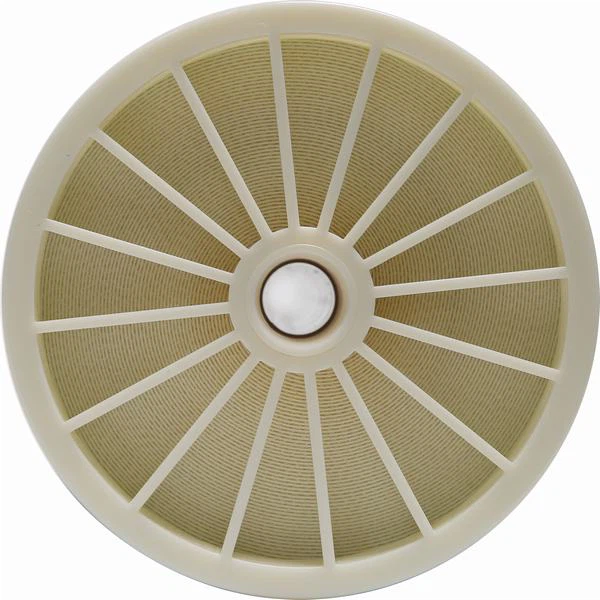
The assembly of the membrane element also plays a role. For example, in a spiral - wound membrane module, the membrane sheets are wound around a central tube, which provides support and allows for efficient flow distribution. This design can enhance the overall performance of the membrane element by ensuring uniform contact between the feed solution and the membrane surface.
Examples of Structure - Performance Relationships in Real - World Applications
Let's take a look at some specific examples of how the structure of high temperature or oxidation resistant membrane elements affects their performance in real - world applications.

Gas Separation in High - Temperature Environments
In a power plant, high temperature gas separation membranes are used to separate carbon dioxide from flue gases. A ceramic membrane with a specific microstructure can be designed to have high permeability to carbon dioxide at elevated temperatures. The membrane's pore size and distribution are carefully controlled to allow carbon dioxide molecules to pass through while blocking other larger gas molecules.
The macroscopic structure of the membrane element also matters. Tubular ceramic membranes are often used in this application because they can withstand the high temperatures and pressures in the flue gas stream. Their tubular shape provides mechanical support and allows for efficient gas flow.
Liquid Filtration in Oxidative Chemical Processes
In a chemical manufacturing plant, high temperature and oxidation resistant membranes are used to filter corrosive liquids. A polymer - based membrane with a highly cross - linked molecular structure can resist the attack of strong oxidizing agents. The membrane's microstructure, with a narrow pore size distribution, ensures high - quality filtration by retaining small particles and contaminants.
Flat - sheet membranes are commonly used in this type of application because they can be easily integrated into a filtration system. The macroscopic design of the membrane module, including the flow channels and the support structure, affects the filtration efficiency and the overall performance of the system.
Our High - Quality Membrane Elements
As a supplier of high temperature or oxidation resistant membrane elements, we offer a wide range of products with different structures to meet the diverse needs of our customers. Our Element Of A Special High Temperature Resistant Membrane 8040 is designed with a unique microstructure that provides high permeability and selectivity. The carefully engineered pore size distribution allows for efficient separation of different components in high - temperature environments.
Our 8040 Unique Membrane Element Resistant To High Temperatures features a strong macroscopic structure that can withstand high pressures and mechanical stresses. This makes it suitable for applications where robust performance is required.
The Special High Temperature Resistant Membrane Element is made from materials with an optimized molecular structure, ensuring excellent chemical stability and long - term performance in oxidative environments.
Contact Us for Procurement and Consultation
If you are looking for high - quality high temperature or oxidation resistant membrane elements for your industrial applications, we are here to help. Our team of experts can provide you with detailed information about our products, assist you in selecting the most suitable membrane element for your specific needs, and offer technical support throughout the procurement process. Whether you are involved in gas separation, liquid filtration, or any other separation process, our membranes can provide reliable and efficient solutions.
References
- Baker, R. W. (2004). Membrane Technology and Applications. Wiley.
- Mulder, M. (1996). Basic Principles of Membrane Technology. Kluwer Academic Publishers.
- Scott, K. (1995). Handbook of Industrial Membrane Technology. Elsevier.
Send Inquiry