


How to clean acid or alkali resistant membrane elements?
Jul 30, 2025
Leave a message
Hey there! As a supplier of acid or alkali resistant membrane elements, I've seen firsthand how important it is to keep these elements clean. In this blog post, I'll share some tips and tricks on how to clean acid or alkali resistant membrane elements effectively.
First things first, let's talk about why cleaning these membrane elements is so crucial. Acid or alkali resistant membrane elements are designed to withstand harsh chemical environments. However, over time, they can get clogged with various contaminants like particles, organic matter, and scale. When this happens, the performance of the membrane elements can decline significantly. You might notice a drop in the flow rate, a decrease in the quality of the filtrate, or an increase in the operating pressure. That's why regular cleaning is essential to maintain the efficiency and longevity of these membrane elements.
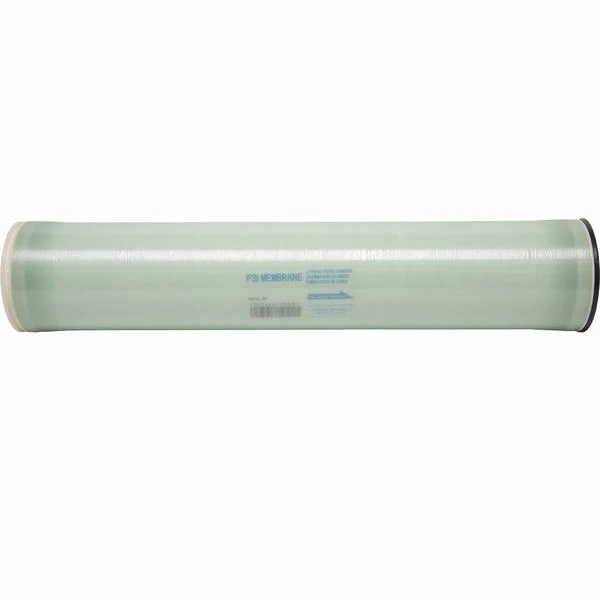
Now, before you start cleaning, it's important to understand the type of membrane element you're dealing with. There are different types of acid or alkali resistant membrane elements, and each might require a slightly different cleaning approach. For example, our Unique Membrane Element Resistant To Alkali 8040 and Unique Alkali-Resistant Membrane Element 8040 are designed to handle alkaline environments, while the Unique Component Of An Acid-resistant Membrane 8040 is built to resist acidic conditions. Make sure you know the specific requirements of your membrane element before you begin the cleaning process.
Step 1: Pre - cleaning Inspection
The first step in cleaning acid or alkali resistant membrane elements is to conduct a pre - cleaning inspection. This will help you identify the type and extent of contamination. Check for visible signs of dirt, debris, or scale on the surface of the membrane. You can also look at the operating data of the system, such as the pressure drop across the membrane and the flow rate. If the pressure drop has increased significantly or the flow rate has decreased, it's a good indication that the membrane needs cleaning.
Step 2: Flushing
Once you've completed the inspection, the next step is to flush the membrane element. Flushing helps to remove loose particles and debris from the surface of the membrane. You can use clean water for this step. Start by slowly increasing the flow rate of the flushing water to avoid damaging the membrane. Let the water flow through the membrane for a few minutes. This initial flushing can remove a large portion of the easily removable contaminants.
Step 3: Chemical Cleaning
After flushing, it's time for chemical cleaning. The choice of cleaning chemicals depends on the type of contamination. If the membrane is contaminated with organic matter, you might want to use a cleaning solution containing a mild detergent or an enzyme - based cleaner. For inorganic scale, an acid or alkaline cleaning solution might be more appropriate.
When using acid or alkaline cleaning solutions, it's crucial to follow the manufacturer's instructions carefully. Make sure you use the correct concentration of the cleaning solution and the appropriate contact time. Over - using chemicals can damage the membrane, while under - using them might not effectively remove the contaminants.
For example, if you're cleaning an acid - resistant membrane, you can use a mild alkaline cleaning solution to remove organic contaminants. On the other hand, if you're dealing with an alkali - resistant membrane, an acidic cleaning solution can be used to dissolve inorganic scale.
During the chemical cleaning process, you can use a recirculation system to ensure that the cleaning solution is evenly distributed across the membrane surface. Keep the cleaning solution circulating for the recommended time, usually between 30 minutes to a few hours, depending on the severity of the contamination.
Step 4: Rinsing
After the chemical cleaning is complete, it's essential to rinse the membrane thoroughly. Use clean water to remove all traces of the cleaning chemicals from the membrane. Rinse the membrane until the pH of the rinse water is close to neutral. This step is crucial because any residual cleaning chemicals can affect the performance of the membrane in the long run.
Step 5: Post - cleaning Inspection
Once you've rinsed the membrane, conduct a post - cleaning inspection. Check the membrane surface again for any remaining contaminants. You can also test the performance of the membrane by measuring the flow rate and the pressure drop. If the membrane is still not performing as expected, you might need to repeat the cleaning process or try a different cleaning approach.
Additional Tips
- Regular Maintenance: Make cleaning acid or alkali resistant membrane elements a part of your regular maintenance schedule. Regular cleaning can prevent the build - up of contaminants and extend the life of the membrane.
- Proper Storage: When the membrane elements are not in use, store them properly. Keep them in a clean, dry place away from direct sunlight and extreme temperatures.
- Training: Ensure that your staff is properly trained in cleaning and maintaining acid or alkali resistant membrane elements. This will help to avoid any mistakes that could damage the membrane.
In conclusion, cleaning acid or alkali resistant membrane elements is a critical process that requires careful attention. By following these steps and tips, you can ensure that your membrane elements perform at their best for a long time.
If you're interested in purchasing high - quality acid or alkali resistant membrane elements or have any questions about cleaning and maintenance, feel free to reach out. We're here to help you make the most of your membrane filtration system.

References
- Membrane Filtration Handbook, various editions
- Manufacturer's manuals for acid or alkali resistant membrane elements.
Send Inquiry