


How to improve the anti - microbial properties of industrial membranes?
Nov 27, 2025
Leave a message
Hey there! I'm a supplier of industrial membranes, and today I wanna chat about how to improve the anti - microbial properties of these membranes. It's a crucial topic in the industrial world, as microbial contamination can mess up the performance and lifespan of membranes big time.
First off, let's understand why anti - microbial properties matter. In industrial settings, membranes are used for all sorts of things like water purification, food and beverage processing, and pharmaceutical manufacturing. Microbes such as bacteria, fungi, and algae can attach to the membrane surface. Once they're there, they form biofilms. These biofilms can block the pores of the membrane, reducing its permeability and increasing the pressure drop across it. This not only lowers the efficiency of the membrane but also increases the energy consumption and maintenance costs.
One of the most common ways to improve anti - microbial properties is through the use of anti - microbial agents. These agents can be incorporated into the membrane during the manufacturing process. For example, silver nanoparticles are well - known for their anti - microbial activity. They work by releasing silver ions, which can interact with the cell membranes of microbes, disrupt their metabolic processes, and ultimately kill them. When we add silver nanoparticles to our membranes, we're giving them an extra line of defense against microbial invaders.

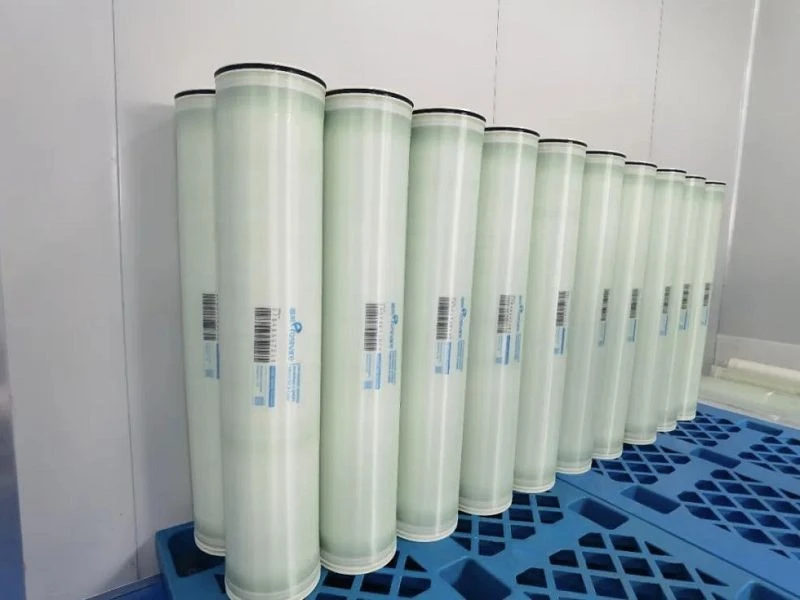
Another option is to use quaternary ammonium compounds (QACs). These are positively charged molecules that can bind to the negatively charged cell membranes of microbes. Once bound, they can cause leakage of the cell contents and lead to cell death. We've experimented with different formulations of QACs in our membranes, and the results have been pretty impressive. The treated membranes show significantly reduced microbial growth compared to the untreated ones.
Surface modification is also a great approach. By changing the surface properties of the membrane, we can make it less attractive for microbes to attach. One way to do this is by creating a super - hydrophilic surface. Microbes tend to have a harder time attaching to surfaces that are very wet. We can achieve this by grafting hydrophilic polymers onto the membrane surface. For instance, poly(ethylene glycol) (PEG) is a popular choice. It forms a hydration layer on the surface, which acts as a physical barrier to microbial attachment.
Now, let's talk about some of the membranes we offer that already have enhanced anti - microbial properties. Our Unique Oxidation - Resistant Membrane 8040 is not only resistant to oxidation but also has been treated with anti - microbial agents. This makes it suitable for applications where there's a high risk of microbial contamination, such as in water treatment plants.
The Pro - Therm specialty high temperature resistant membrane element is another great option. It can withstand high temperatures, which is useful in industrial processes that involve heat. And thanks to its anti - microbial treatment, it can keep performing well even in environments where microbes are likely to thrive.
Our Pro - CR specialty oxidation resistant membrane element is also designed with anti - microbial features. Oxidation can sometimes weaken the membrane structure, making it more vulnerable to microbial attack. But this membrane has been engineered to resist both oxidation and microbial growth, giving it a longer lifespan and better performance in harsh industrial conditions.
In addition to these chemical and physical methods, proper maintenance and cleaning are essential. Even the most anti - microbial membranes need to be kept clean to function at their best. Regular cleaning with mild detergents and disinfectants can help remove any accumulated microbes and debris. It's also important to monitor the membrane performance regularly. By keeping an eye on parameters like permeability and pressure drop, we can detect early signs of microbial contamination and take action before it becomes a big problem.
We're constantly researching and developing new ways to improve the anti - microbial properties of our membranes. We're collaborating with research institutions to explore the latest technologies and materials. For example, we're looking into the use of graphene oxide, which has shown promise as an anti - microbial material. It can form a physical barrier on the membrane surface and also has some inherent anti - microbial activity.
If you're in the market for industrial membranes with excellent anti - microbial properties, we'd love to have a chat with you. Whether you're in the water treatment industry, food and beverage processing, or any other field that requires high - performance membranes, we've got solutions for you. Reach out to us to discuss your specific needs and how our membranes can meet them.
References
- Rai, M., Yadav, A., & Gade, A. (2009). Silver nanoparticles as a new generation of antimicrobials. Biotechnology Advances, 27(1), 76 - 83.
- Jiang, X., & Camesano, T. A. (2005). Influence of surface properties on initial microbial attachment. Colloids and Surfaces B: Biointerfaces, 46(1 - 2), 9 - 18.
Send Inquiry