


How to optimize the membrane module design for better performance?
May 27, 2025
Leave a message
Hey there! I'm from an industrial membrane supplier, and today I wanna chat about how to optimize the membrane module design for better performance. Membrane modules are super important in a whole bunch of industries, like water treatment, food and beverage processing, and pharmaceutical manufacturing. Getting the design right can really make a difference in how well they work.
First off, let's talk about the materials. The choice of membrane material is crucial. Different materials have different properties, such as chemical resistance, mechanical strength, and porosity. For example, if you're dealing with a process that involves harsh chemicals, you'll want a membrane material that can stand up to that. We offer some great options, like the Unique Membrane Element Resistant To Oxidation 8040. This baby is designed to resist oxidation, which is a big deal in many industrial processes. It can handle some pretty tough conditions and still keep performing well.
Another important factor is the membrane structure. There are different types of membrane structures, like flat sheet, tubular, and hollow fiber. Each has its own advantages and disadvantages. Flat sheet membranes are easy to manufacture and can be used in a variety of applications. Tubular membranes are great for high-pressure applications because they can withstand more pressure without breaking. Hollow fiber membranes, on the other hand, have a large surface area per unit volume, which means they can filter more efficiently.
Let's take a closer look at hollow fiber membranes. They're really popular because of their high surface area. But to optimize their performance, you need to pay attention to things like fiber diameter, wall thickness, and packing density. A smaller fiber diameter can increase the surface area, but it also means there's less space for the fluid to flow through. So, you need to find the right balance. And the wall thickness affects the mechanical strength of the fibers. If it's too thin, the fibers might break easily. If it's too thick, it can reduce the permeability of the membrane.
Packing density is also a key factor. If the fibers are packed too tightly, it can cause problems with fluid flow and increase the pressure drop across the membrane. On the other hand, if they're packed too loosely, you won't get the maximum surface area utilization. So, you need to figure out the optimal packing density for your specific application.
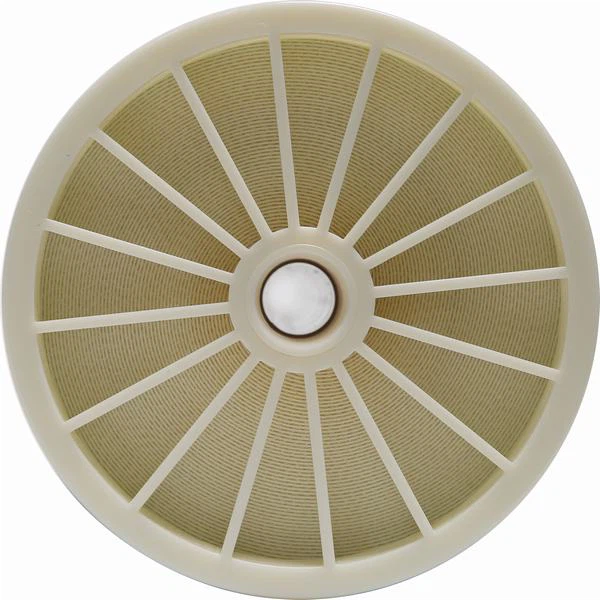
Now, let's talk about the module configuration. The way the membranes are arranged in the module can have a big impact on performance. For example, in a spiral wound module, the membranes are wound around a central tube. The design of the spacer between the membranes is important. It affects the flow pattern of the fluid and the distribution of the feed across the membrane surface. A well-designed spacer can help to prevent fouling and improve the overall efficiency of the module.
In a tubular module, the tubes are usually arranged in a parallel or series configuration. The choice of configuration depends on factors like the flow rate, pressure requirements, and the type of application. A parallel configuration can handle a higher flow rate, but it might not provide as much filtration as a series configuration.
Another aspect of module design is the inlet and outlet design. The way the fluid enters and leaves the module can affect the flow distribution and the performance of the membrane. You want to make sure that the fluid is evenly distributed across the membrane surface to avoid areas of high and low flow. This can help to prevent fouling and improve the efficiency of the filtration process.
Temperature and pressure are also important considerations. Some membranes can handle high temperatures, while others are more sensitive. If you're working in a high-temperature environment, you might want to consider a membrane like the Element Of A Special High Temperature Resistant Membrane 8040. This membrane is designed to withstand high temperatures without losing its performance.
Pressure can also have a big impact on membrane performance. Higher pressure can increase the flux (the rate of fluid flow through the membrane), but it can also cause fouling and damage to the membrane. So, you need to find the right operating pressure for your specific membrane and application.
Fouling is one of the biggest challenges in membrane filtration. It can reduce the performance of the membrane over time and increase the operating costs. To prevent fouling, you can use pre-treatment methods, like filtration or chemical treatment, to remove particles and contaminants from the feed before it reaches the membrane. You can also design the module to have a self-cleaning mechanism, like backwashing or air scouring.

In addition to these design considerations, it's also important to monitor and maintain the membrane module. Regular cleaning and inspection can help to keep the membrane in good condition and extend its lifespan. You can use chemical cleaning agents to remove any fouling or deposits on the membrane surface. But be careful not to use agents that can damage the membrane.
So, there you have it! These are some of the key factors to consider when optimizing the membrane module design for better performance. By choosing the right materials, structure, configuration, and operating conditions, you can improve the efficiency, reliability, and lifespan of your membrane modules.
If you're interested in learning more about our industrial membranes or have any questions about optimizing your membrane module design, feel free to reach out. We're here to help you get the best performance out of your membrane systems. Whether you need a membrane for a small-scale application or a large industrial process, we've got the expertise and the products to meet your needs. So, don't hesitate to contact us and start a conversation about how we can work together to optimize your membrane module design.
References
- Membrane Technology and Applications, 3rd Edition, by Richard W. Baker
- Handbook of Membrane Separations: Chemical, Pharmaceutical, Food, and Biotechnological Applications, edited by A. G. Fane and S. Matsuura
Send Inquiry