


How to select the right high temperature or oxidation resistant membrane elements for a specific application?
Aug 27, 2025
Leave a message
Selecting the right high temperature or oxidation resistant membrane elements for a specific application can be a tricky task. As a supplier of these specialized membrane elements, I've seen firsthand the importance of making the correct choice. In this blog, I'll share some insights on how you can pick the perfect membrane elements for your needs.
Understanding Your Application
First things first, you need to have a clear understanding of your application. What kind of environment will the membrane elements be operating in? Is it a high - temperature setting, or is oxidation the main concern? Maybe it's a combination of both.
For instance, in some industrial processes like chemical manufacturing, high temperatures are often involved. Reactors can reach extremely high temperatures, and the membrane elements used in separation or filtration processes need to withstand these conditions without degrading. On the other hand, in water treatment plants where chlorine or other oxidizing agents are used for disinfection, oxidation resistance is crucial. If the membrane elements aren't oxidation - resistant, they'll quickly break down, leading to reduced efficiency and increased costs.
Assessing Temperature Requirements
If high temperature is a factor in your application, you need to know the exact temperature range. Different membrane elements have different temperature tolerances. Some can handle temperatures up to 60°C, while others are designed for much higher temperatures, say up to 150°C or even more.
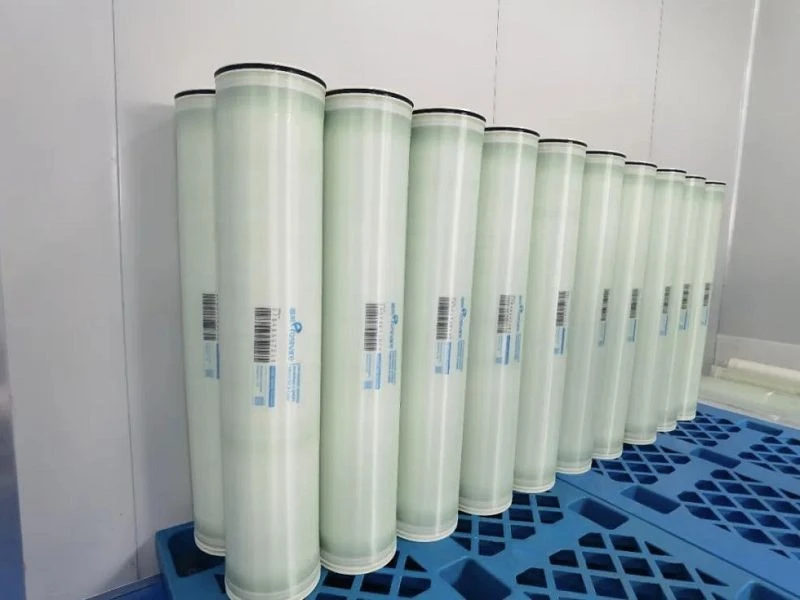
Let's take a look at Element Of A Special High Temperature Resistant Membrane 8040. This particular element is engineered to perform well in high - temperature environments. It's made from materials that can maintain their structural integrity and performance even when exposed to elevated temperatures for extended periods. When you're assessing your temperature requirements, make sure to consider not only the average operating temperature but also any peak temperatures that might occur during the process.
Evaluating Oxidation Resistance
Oxidation can be just as damaging as high temperatures. Oxidizing agents like chlorine, ozone, and hydrogen peroxide can react with the membrane material, causing it to lose its effectiveness. To evaluate the oxidation resistance of a membrane element, you need to know what kind of oxidizing agents will be present in your application and at what concentrations.
The Unique Membrane Element Resistant To Oxidation 8040 is a great option for applications where oxidation is a concern. It has been tested against various oxidizing agents and has shown excellent resistance. When choosing an oxidation - resistant membrane element, look for information on its chemical compatibility. Manufacturers usually provide data sheets that detail the membrane's resistance to different chemicals.
Considering Other Factors
Apart from temperature and oxidation resistance, there are other factors to consider. One of these is the flow rate. Your application will have a specific flow rate requirement, and the membrane elements need to be able to handle it. If the flow rate is too high for the membrane, it can cause fouling and reduce the lifespan of the element.
Another factor is the pore size. The pore size of the membrane determines what particles and molecules can pass through it. For example, in a water filtration application, if you're trying to remove bacteria and viruses, you'll need a membrane with a very small pore size.
The material of the membrane is also important. Different materials have different properties. Some materials are more flexible, while others are more rigid. The choice of material depends on your application requirements.
Comparing Different Membrane Elements
Once you've identified your requirements, it's time to compare different membrane elements. Look at the specifications of each element, including its temperature and oxidation resistance, flow rate, pore size, and material. You can also look at customer reviews and case studies to see how well the elements have performed in similar applications.
Let's say you're comparing two membrane elements. One has a higher temperature tolerance but lower oxidation resistance, while the other has excellent oxidation resistance but a slightly lower temperature tolerance. You'll need to weigh the pros and cons based on your specific application. If high temperature is the dominant factor, you might choose the first element. But if oxidation is a bigger concern, the second one might be a better fit.
The Importance of Quality and Reliability
When it comes to high temperature or oxidation resistant membrane elements, quality and reliability are non - negotiable. A low - quality membrane element might be cheaper upfront, but it can end up costing you more in the long run due to frequent replacements and reduced efficiency.
As a supplier, we take quality very seriously. We source our materials from trusted suppliers and use advanced manufacturing processes to ensure that our membrane elements meet the highest standards. Our Special Oxidation Resistant Membrane Element is a prime example of our commitment to quality. It has been rigorously tested in various conditions to ensure its performance and reliability.
Making the Final Decision
After all the research and comparison, it's time to make the final decision. Choose the membrane element that best meets your application requirements in terms of temperature and oxidation resistance, as well as other factors like flow rate and pore size.
If you're still unsure, don't hesitate to reach out to us. We have a team of experts who can help you select the right membrane elements for your specific application. We can provide you with more detailed information, answer your questions, and even offer on - site consultations if needed.
Contact Us for Procurement and Consultation
If you're interested in purchasing high temperature or oxidation resistant membrane elements, we're here to help. Whether you're a small - scale operation or a large industrial facility, we can provide you with the right products at competitive prices. Our goal is to ensure that you get the best membrane elements for your application, so you can achieve optimal performance and efficiency.

Don't let the process of selecting membrane elements overwhelm you. We're just a message or a call away. Let's work together to find the perfect solution for your needs.
References
- Membrane Technology Handbook, Edited by W. S. Winston Ho and K. K. Sirkar
- Industrial Membrane Separation Technology, by Richard W. Baker
Send Inquiry