


What are the applications of ceramic industrial membranes?
Oct 09, 2025
Leave a message
Hey there! As an industrial membrane supplier, I've seen firsthand the amazing applications of ceramic industrial membranes. These membranes are like the unsung heroes in a bunch of industries, doing all sorts of cool stuff to make processes better, more efficient, and eco - friendly. So, let's dive into the world of ceramic industrial membranes and explore their many applications.
Water Treatment
One of the most well - known applications of ceramic industrial membranes is in water treatment. Clean water is super important, and ceramic membranes play a huge role in making sure we get it.
In municipal water treatment plants, ceramic membranes are used for microfiltration and ultrafiltration. They can remove all kinds of impurities from raw water, like suspended solids, bacteria, and some viruses. The great thing about ceramic membranes is their high chemical and thermal stability. This means they can handle harsh chemicals used in water treatment processes, like chlorine, without getting damaged easily.
For example, in a water treatment plant that uses reverse osmosis (RO) as the final purification step, ceramic microfiltration membranes are often used as a pre - treatment. They help protect the RO membranes from fouling by larger particles, which can extend the lifespan of the RO membranes and reduce the cost of operation.
In industrial water treatment, ceramic membranes are also a go - to choice. Industries such as food and beverage, pharmaceuticals, and electronics need high - quality water for their production processes. Ceramic membranes can be used to recycle and reuse water within these industries, reducing their water consumption and environmental impact. For instance, in a brewery, ceramic membranes can be used to separate yeast and other solids from the beer during the brewing process, and then to treat the wastewater generated so that it can be reused in other parts of the brewery.
Food and Beverage Industry
The food and beverage industry is another area where ceramic industrial membranes shine.
In dairy processing, ceramic ultrafiltration membranes are used to separate milk components. They can separate whey from casein, which is important for making different types of dairy products. For example, the separated whey can be further processed into whey protein concentrate, which is widely used in sports nutrition products. The high - quality separation provided by ceramic membranes ensures that the final products have better taste, texture, and nutritional value.
In the fruit juice industry, ceramic membranes are used for clarification. They can remove pulp, haze, and microorganisms from the juice, giving it a clear and bright appearance. This not only improves the visual appeal of the juice but also extends its shelf life. Unlike some traditional clarification methods, ceramic membranes don't require the use of fining agents, which can sometimes affect the taste of the juice.
When it comes to winemaking, ceramic membranes can be used for both pre - fermentation and post - fermentation processes. Before fermentation, they can be used to remove unwanted solids and microorganisms from the grape must. After fermentation, they can be used for wine clarification and stabilization, removing any remaining yeast, bacteria, and tartrates. This helps to produce a high - quality, stable wine that is ready for bottling.
Chemical and Petrochemical Industry
The chemical and petrochemical industry has some of the most challenging operating conditions, and ceramic industrial membranes are up to the task.
In chemical synthesis, ceramic membranes can be used for separation and purification of reaction products. For example, in the production of fine chemicals, ceramic membranes can separate the desired product from the reaction mixture, catalysts, and by - products. Their high thermal and chemical resistance allows them to work in high - temperature and corrosive environments, which are common in chemical reactions.
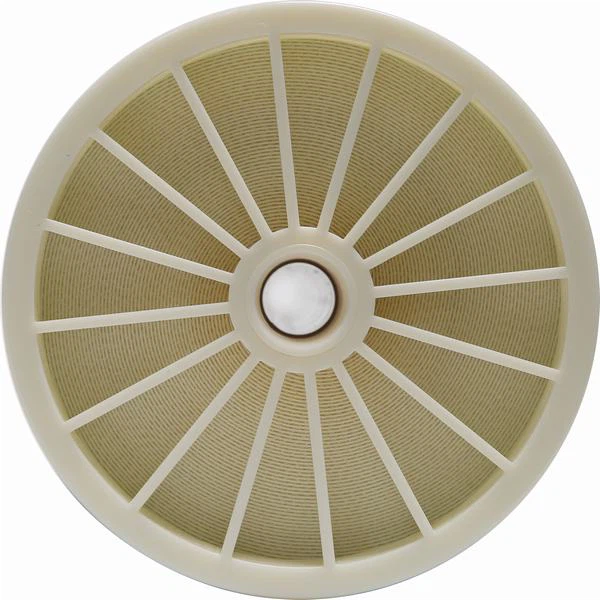
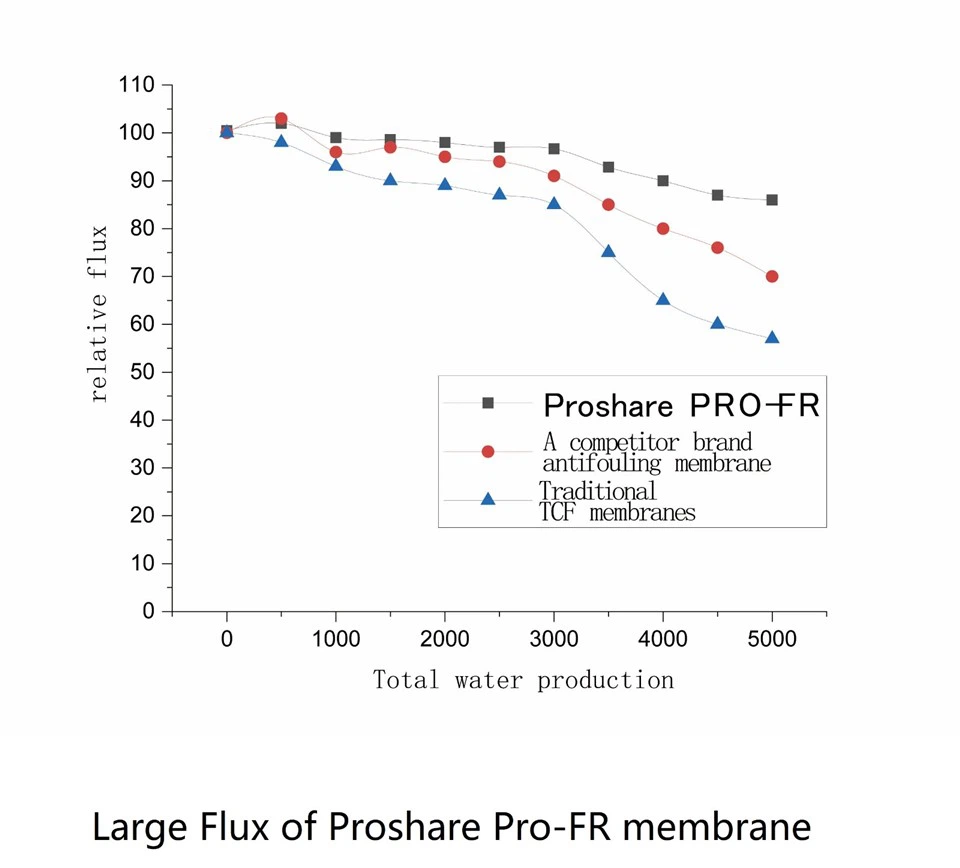
In the petrochemical industry, ceramic membranes can be used for the separation of hydrocarbons. They can separate different fractions of crude oil based on their molecular size and properties. This can be an alternative or complementary method to traditional distillation processes. Ceramic membranes can operate at lower temperatures than distillation, which can save energy and reduce the cost of production.
Biotechnology and Pharmaceuticals
In the biotechnology and pharmaceutical industries, the purity and quality of products are of utmost importance. Ceramic industrial membranes are used extensively for various separation and purification processes.
In bioprocessing, ceramic membranes can be used for cell harvesting and separation. For example, in the production of monoclonal antibodies, ceramic microfiltration membranes can separate the cells from the culture medium. This is a critical step in the downstream processing of biopharmaceuticals. The high - flux and low - fouling characteristics of ceramic membranes ensure efficient cell separation and high - quality product recovery.
In pharmaceutical manufacturing, ceramic membranes are used for the purification of drugs. They can remove impurities, such as endotoxins, from drug solutions. The high - precision separation capabilities of ceramic membranes help to meet the strict quality standards required for pharmaceutical products.
High - Temperature Applications
Ceramic industrial membranes are also great for high - temperature applications. We offer some really cool products for this, like the 8040 Unique Membrane Element Resistant To High Temperatures, the Pro - Therm specialty high temperature resistant membrane element, and the Element Of A Special High Temperature Resistant Membrane 8040.
In high - temperature gas separation processes, ceramic membranes can separate different gases based on their molecular size and diffusion rates. For example, in the production of hydrogen from syngas, ceramic membranes can separate hydrogen from other gases like carbon monoxide and carbon dioxide. Their high - temperature stability allows them to operate in the harsh conditions of gas - phase reactions.
In waste incineration plants, ceramic membranes can be used for the treatment of flue gases. They can remove particulate matter, heavy metals, and some harmful gases from the flue gases, reducing the environmental impact of waste incineration.
Conclusion
As you can see, ceramic industrial membranes have a wide range of applications across different industries. Their unique properties, such as high chemical and thermal stability, high - flux, and low - fouling characteristics, make them a valuable tool for separation and purification processes.
If you're in an industry that could benefit from ceramic industrial membranes, or if you're just curious to learn more, don't hesitate to reach out. We're here to help you find the right membrane solutions for your specific needs. Whether it's water treatment, food and beverage processing, chemical synthesis, or high - temperature applications, we've got the expertise and the products to support you. Let's have a chat and see how we can work together to improve your processes and achieve your goals.
References
- Cheryan, M. (1998). Ultrafiltration and Microfiltration Handbook. Technomic Publishing.
- Mulder, M. (1996). Basic Principles of Membrane Technology. Kluwer Academic Publishers.
- Baker, R. W. (2004). Membrane Technology and Applications. John Wiley & Sons.
Send Inquiry