


What are the benefits of pre - treatment before RO membrane cleaning?
Dec 05, 2025
Leave a message
Reverse osmosis (RO) membranes are critical components in water treatment systems, widely used in various applications from Domestic Reverse Osmosis Membrane 1812 for home use to large - scale industrial water purification. Over time, these membranes accumulate contaminants such as scale, biofilm, and particulate matter, which can significantly reduce their performance. Regular cleaning is essential to maintain the efficiency and longevity of RO membranes. However, pre - treatment before RO membrane cleaning offers numerous benefits that can enhance the overall cleaning process and the membrane's performance.
Improved Cleaning Efficiency
One of the primary benefits of pre - treatment is the improvement of cleaning efficiency. When RO membranes are fouled, the contaminants can be deeply embedded in the membrane pores or form a thick layer on the surface. Without proper pre - treatment, the cleaning agents may not be able to reach all the fouling areas effectively. Pre - treatment can loosen and remove a significant portion of the loose or lightly adhered contaminants.
For example, a simple pre - rinse with a low - pressure water flow can dislodge large particulate matter. This pre - rinse step reduces the amount of debris that the cleaning chemicals need to deal with later. As a result, the cleaning chemicals can focus on the more stubborn contaminants, such as scale and biofilm. This targeted approach allows for a more thorough and efficient cleaning process, saving both time and cleaning agents.
Prolonged Membrane Lifespan
Pre - treatment can also contribute to prolonging the lifespan of RO membranes. Aggressive cleaning chemicals used without pre - treatment can cause damage to the membrane structure over time. When there is a large amount of debris on the membrane surface, the cleaning chemicals may react with the contaminants in a way that generates heat or other by - products that can harm the membrane.
By removing a significant portion of the contaminants through pre - treatment, the intensity of the cleaning process can be reduced. For instance, if a pre - treatment step can remove 50% of the fouling, the cleaning chemicals can be used at a lower concentration or for a shorter duration. This gentle cleaning approach minimizes the stress on the membrane, reducing the risk of physical or chemical damage. As a result, the membrane can maintain its performance characteristics for a longer period, and the frequency of membrane replacement can be reduced.
Cost Savings
Cost savings are another significant advantage of pre - treatment before RO membrane cleaning. As mentioned earlier, pre - treatment can reduce the amount of cleaning agents required. Cleaning chemicals can be expensive, especially those designed for specific types of fouling. By using pre - treatment to remove a large portion of the contaminants, less cleaning chemical is needed to achieve the same level of cleaning.
In addition to the cost of cleaning chemicals, pre - treatment can also save on labor costs. A more efficient cleaning process means less time spent on cleaning. Workers can complete the cleaning task more quickly, allowing them to focus on other important aspects of the water treatment system. Moreover, since pre - treatment can prolong the membrane lifespan, the cost of membrane replacement is also reduced in the long run.
Enhanced Water Quality
Pre - treatment can have a positive impact on the quality of the water produced by the RO system after cleaning. When the membrane is fouled, the water quality can deteriorate due to the presence of contaminants that pass through the fouled areas or the reduced rejection rate of the membrane. By effectively cleaning the membrane through pre - treatment and subsequent cleaning steps, the membrane can regain its original separation performance.
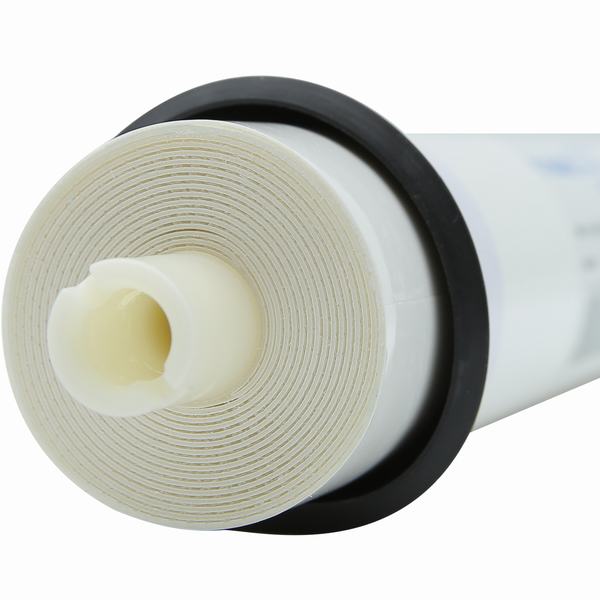

For example, in a Domestic Reverse Osmosis Membrane 2012 used in a home water purification system, pre - treatment can ensure that the membrane is thoroughly cleaned. This results in better removal of dissolved salts, heavy metals, and other contaminants, providing cleaner and safer drinking water for the household.
Reduced Risk of Re - fouling
Pre - treatment can help reduce the risk of re - fouling after the membrane cleaning. During the pre - treatment process, not only are the existing contaminants removed, but the membrane surface can also be conditioned to be less prone to fouling. For example, some pre - treatment methods can adjust the pH of the water in contact with the membrane, creating an environment that is less favorable for the growth of bacteria and the formation of scale.
In addition, pre - treatment can remove the nutrients that bacteria need to grow. By eliminating these nutrients, the likelihood of biofilm formation after cleaning is reduced. This means that the membrane can maintain its clean state for a longer period, reducing the frequency of future cleaning.
Customized Pre - treatment Strategies
As an RO Membrane Cleaning supplier, we understand that different types of fouling require different pre - treatment strategies. For Domestic RO Membrane Element 2812 used in small - scale applications, the fouling may be mainly due to particulate matter and light biofilm. A simple pre - rinse with filtered water followed by a mild disinfectant pre - treatment may be sufficient.
In industrial applications, where the fouling can be more complex, including heavy scale and thick biofilm, more advanced pre - treatment methods may be required. These can include chemical pre - treatment with chelating agents to dissolve scale or enzymatic pre - treatment to break down biofilm. Our team of experts can analyze the specific fouling situation of your RO membranes and develop a customized pre - treatment plan to ensure the best cleaning results.
Contact Us for RO Membrane Cleaning Solutions
If you are facing issues with RO membrane fouling, our company is here to help. We offer a comprehensive range of RO membrane cleaning services, including customized pre - treatment strategies. Our experienced technicians can assess your membrane fouling situation, recommend the most suitable pre - treatment and cleaning methods, and ensure that your RO membranes are restored to their optimal performance.
Contact us today to discuss your RO membrane cleaning needs. We are committed to providing high - quality solutions that can save you time, money, and ensure the long - term performance of your water treatment system.
References
- Cheryan, M. (1998). Ultrafiltration and Microfiltration Handbook. Technomic Publishing.
- Porter, M. C. (1997). Handbook of Industrial Membrane Technology. Noyes Publications.
- Baker, R. W. (2004). Membrane Technology and Applications. Wiley.
Send Inquiry