


What are the different types of water purifiers?
Jun 11, 2025
Leave a message
Hey there! As a water purifier supplier, I've seen firsthand the importance of having clean and safe water. With so many types of water purifiers out there, it can be a bit overwhelming to figure out which one is right for you. That's why I'm here to break down the different types of water purifiers and give you the lowdown on what each one can do.
1. Activated Carbon Filters
Activated carbon filters are one of the most common types of water purifiers. They work by using activated carbon, which is a form of carbon that has been treated to have a large surface area with tiny pores. These pores trap impurities such as chlorine, sediment, and some organic compounds.
The great thing about activated carbon filters is that they're relatively inexpensive and easy to install. You can find them in pitcher - style filters, faucet - mounted filters, and even some whole - house systems. They're great for improving the taste and odor of your water. However, they're not very effective at removing dissolved minerals, heavy metals, or microorganisms.
2. Reverse Osmosis (RO) Systems
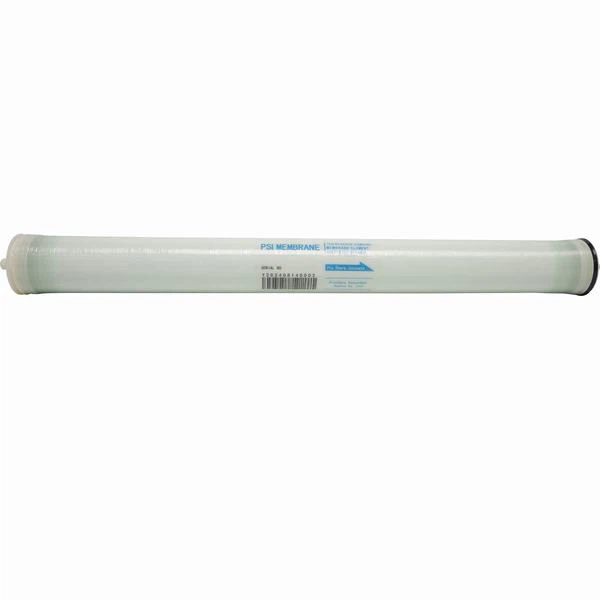
Reverse osmosis is a more advanced water purification method. RO systems use a semi - permeable membrane to remove a wide range of contaminants from water. The water is forced through the membrane under pressure, and only water molecules can pass through, leaving behind impurities like salts, heavy metals, bacteria, and viruses.
RO systems are highly effective at producing very pure water. They're commonly used in homes for drinking water purification and in industrial settings where high - quality water is required. But they do have some drawbacks. They can be expensive to install and operate, as they require a fair amount of water to flush out the concentrated contaminants. Also, they can remove some beneficial minerals from the water.
3. Ultraviolet (UV) Purifiers
UV purifiers use ultraviolet light to disinfect water. When water passes through a UV chamber, the UV light damages the DNA of microorganisms like bacteria, viruses, and protozoa, preventing them from reproducing and rendering them harmless.
UV purifiers are great for killing harmful pathogens in water. They're relatively simple to install and operate, and they don't add any chemicals to the water. They're a good option for people who have a problem with microbiological contamination in their water source. However, they don't remove other types of contaminants like chemicals, heavy metals, or dissolved solids. So, they're often used in combination with other purification methods.
4. Ion Exchange Resins
Ion exchange resins are used mainly for water softening. Hard water contains high levels of calcium and magnesium ions, which can cause scale buildup in pipes and appliances. Ion exchange resins work by exchanging the calcium and magnesium ions for sodium or potassium ions.
These systems are great for protecting your plumbing and appliances from scale damage. They can also make your soap lather better and reduce the amount of soap needed for cleaning. But they don't remove other contaminants like bacteria, viruses, or chemicals. And if you're on a low - sodium diet, the increased sodium content in the softened water might be a concern.
5. Nanofiltration Membrane Systems
Nanofiltration is a type of membrane filtration that sits between reverse osmosis and ultrafiltration in terms of pore size. Nanofiltration membranes can remove a wide range of contaminants, including some dissolved salts, organic compounds, and larger molecules. They're less effective at removing monovalent ions (like sodium) compared to RO membranes but are more energy - efficient.
Our company offers some great nanofiltration products. For example, you can check out our Multilayer Composite Membrane NF8040 And 4040 and NF Multilayer Composite Membrane 8040 And 4040. These membranes are designed to provide high - quality filtration. You can also learn more about our Nanofiltration Membrane Element.
6. Distillation Systems
Distillation is an old - fashioned but effective water purification method. In a distillation system, water is heated to boiling point, and the steam is then cooled and condensed back into liquid water. Impurities with a higher boiling point than water are left behind in the boiling chamber.
Distillation can remove almost all types of contaminants, including heavy metals, bacteria, viruses, and dissolved solids. It produces very pure water. However, it's a slow process and consumes a lot of energy. It's not very practical for large - scale water purification, but it can be useful for small - scale applications like in laboratories or in areas where the water source is extremely contaminated.
7. Ceramic Filters
Ceramic filters are made from porous ceramic materials. They have small pores that can trap sediment, bacteria, and some larger particles. The water passes through the ceramic element, and the contaminants are left on the surface of the filter.
Ceramic filters are relatively inexpensive and easy to clean. You can often just scrub the surface of the filter to remove the trapped contaminants. They're good for basic water purification in areas where the water is mainly contaminated with sediment and microorganisms. But they're not very effective at removing dissolved chemicals or heavy metals.
So, which water purifier is right for you? It depends on your specific needs. If you're mainly concerned about taste and odor, an activated carbon filter might be enough. If you need to remove a wide range of contaminants, a reverse osmosis or nanofiltration system could be a better choice. And if microbiological contamination is your main issue, a UV purifier might be the way to go.

If you're interested in learning more about our water purifiers or are thinking about making a purchase, feel free to reach out. We're here to help you find the best solution for your water purification needs. Whether you're looking for a small - scale home filter or a large - scale industrial system, we've got you covered. Let's have a chat about your requirements and see how we can work together to ensure you have access to clean and safe water.
References
- "Water Treatment Handbook" by Water Research Center
- "The Complete Guide to Water Filtration" by Home Water Solutions
Send Inquiry