


What are the energy consumption characteristics of industrial membrane systems?
Aug 14, 2025
Leave a message
Hey there! As an industrial membrane supplier, I've had my fair share of experiences dealing with different membrane systems and their energy consumption. So, I thought I'd share some insights on what the energy consumption characteristics of industrial membrane systems are.
First off, let's talk about what industrial membrane systems are. These are systems that use membranes - think of them as super - thin barriers - to separate different components in a fluid. They're used in a ton of industries, like water treatment, food and beverage processing, and chemical manufacturing.
One of the key energy consumption characteristics is related to the pressure required for the separation process. Most industrial membrane systems operate based on pressure - driven separation. You see, when you want to force a fluid through a membrane to separate its components, you need to apply pressure. The higher the pressure, the more energy is consumed. For example, in reverse osmosis, which is a common membrane - based water purification process, a high pressure is needed to push water through a semi - permeable membrane and leave behind contaminants. This high - pressure operation means that reverse osmosis systems can be quite energy - hungry.
Another factor is the flow rate. The amount of fluid that needs to pass through the membrane per unit of time affects energy consumption. If you have a high flow rate requirement, you'll need more energy to maintain that flow. This is because you have to pump the fluid at a faster pace, which demands more power from the pumps. In a large - scale water treatment plant, if they need to treat a huge volume of water quickly, they'll have to run their pumps at high speeds, consuming a significant amount of electricity.
The type of membrane also plays a big role in energy consumption. Some membranes are more permeable than others. A highly permeable membrane allows fluid to pass through more easily, which means less pressure is needed to achieve the same separation. On the other hand, less permeable membranes require higher pressures and thus more energy. For instance, our Special High Temperature Resistant Membrane Element is designed to have good permeability even under high - temperature conditions. This helps in reducing the overall energy consumption of the system when operating in such environments.
Membrane fouling is yet another aspect that impacts energy consumption. Over time, membranes can get clogged with particles, microorganisms, and other contaminants. When this happens, the resistance to fluid flow increases. To maintain the same flow rate and separation efficiency, you need to increase the pressure. This, of course, leads to higher energy consumption. Regular cleaning and maintenance of the membranes are crucial to prevent fouling and keep energy usage in check.
In addition to the above, the operating temperature can influence energy consumption. Some membrane systems work better at certain temperatures. If the temperature is too low, the viscosity of the fluid may increase, making it harder to flow through the membrane. This would require more pressure and energy. Conversely, in high - temperature applications, special membranes are needed. Our Unique Oxidation - Resistant Membrane 8040 is built to withstand high temperatures while still maintaining good separation performance. It's designed in a way that helps manage energy consumption even in these extreme conditions.

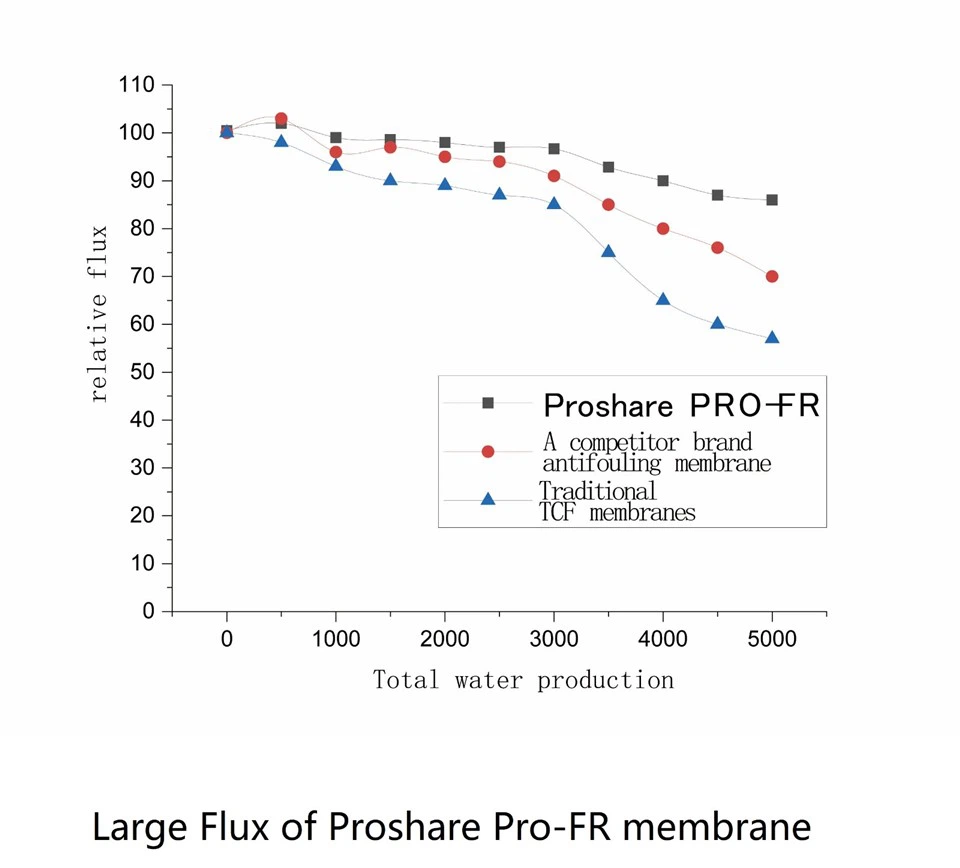
The size and configuration of the membrane system also matter. Larger systems generally consume more energy, but it's not always a straightforward relationship. The way the membranes are arranged, like in parallel or series, can affect how efficiently the system operates. A well - designed configuration can optimize energy use. For example, in a multi - stage membrane system, the pressure and flow can be better regulated between stages, reducing overall energy consumption.
Now, let's talk about how we can reduce energy consumption in industrial membrane systems. One approach is to use energy - recovery devices. These devices capture some of the energy that would otherwise be wasted and reuse it. In reverse osmosis, energy - recovery turbines can be used to recover energy from the high - pressure brine stream and use it to help power the system.
Another way is to optimize the operating conditions. By carefully controlling the pressure, flow rate, and temperature, you can find the sweet spot where the system operates efficiently with minimum energy consumption. Regular monitoring and adjustment of these parameters are essential.
As an industrial membrane supplier, we're constantly working on developing membranes that are more energy - efficient. Our Unique Membrane Element Resistant To Oxidation 8040 is a prime example. It offers good oxidation resistance and high permeability, which helps in reducing energy requirements.
If you're in an industry that uses industrial membrane systems and you're looking to cut down on energy costs, or if you're just starting a new project and want an energy - efficient solution, we'd love to talk to you. We can provide you with the right membranes and offer advice on how to optimize your system for the best energy performance. Whether it's for water treatment, food processing, or any other application, we've got the expertise and the products to meet your needs. Reach out to us to start a conversation about your membrane requirements and let's work together to make your operations more energy - efficient.
References
- Cheryan, M. Ultrafiltration and Microfiltration Handbook. Technomic Publishing, 1998.
- Mulder, M. Basic Principles of Membrane Technology. Kluwer Academic Publishers, 1996.
- Baker, R. W. Membrane Technology and Applications. Wiley, 2004.
Send Inquiry