


What is the backwashing process for nf membrane element?
May 22, 2025
Leave a message
Hey there! As a supplier of nf membrane elements, I often get asked about the backwashing process for these elements. So, I thought I'd put together this blog post to give you the lowdown on what backwashing is, why it's important, and how it works for nf membrane elements.
What is Backwashing?
Backwashing is a process used to clean filtration systems, including nf membrane elements. It involves reversing the flow of water through the membrane to dislodge and remove accumulated particles, debris, and contaminants that have built up on the surface or within the pores of the membrane. This helps to restore the membrane's performance and extend its lifespan.
Why is Backwashing Important for NF Membrane Elements?
Over time, as water passes through an nf membrane element, solids, colloids, organic matter, and other impurities can become trapped on the membrane surface or within its pores. This buildup, known as fouling, can reduce the membrane's flux (the rate at which water passes through the membrane), increase the operating pressure required to maintain the desired flow rate, and ultimately lead to a decrease in the membrane's separation efficiency.

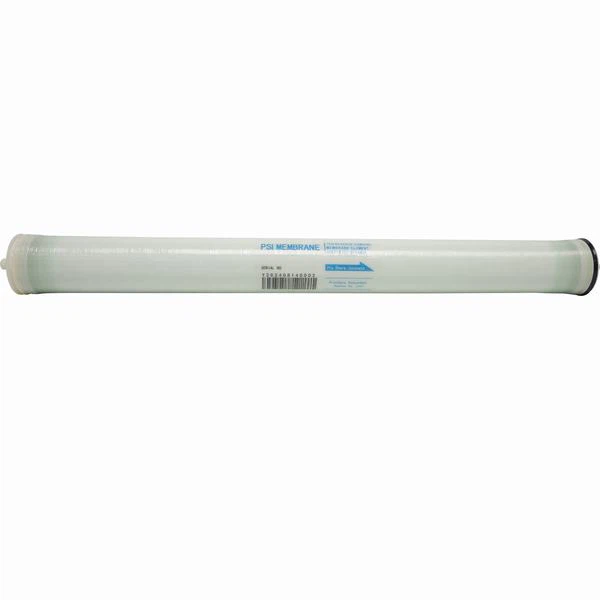
Backwashing is crucial for nf membrane elements because it helps to:
- Restore Flux: By removing the fouling layer, backwashing can significantly improve the membrane's flux, allowing it to operate at optimal efficiency.
- Reduce Operating Pressure: As the fouling layer is removed, the pressure drop across the membrane decreases, reducing the energy consumption required to pump water through the system.
- Prolong Membrane Lifespan: Regular backwashing can prevent excessive fouling, which can cause irreversible damage to the membrane. This helps to extend the membrane's lifespan and reduce the frequency of membrane replacements.
- Maintain Separation Efficiency: A clean membrane is better able to separate dissolved salts, organic compounds, and other contaminants from the feed water, ensuring high-quality permeate production.
The Backwashing Process for NF Membrane Elements
The backwashing process for nf membrane elements typically involves the following steps:
Step 1: Pre-Rinse
Before starting the backwashing process, it's important to perform a pre-rinse to remove any loose particles and debris from the membrane surface. This is usually done by flushing the membrane with clean water in the normal flow direction for a short period of time.
Step 2: Backwash Initiation
Once the pre-rinse is complete, the backwashing process is initiated by reversing the flow of water through the membrane. This is typically achieved by using a backwash pump to force clean water in the opposite direction of the normal flow.
Step 3: Backwash Duration
The duration of the backwash depends on several factors, including the type of membrane, the degree of fouling, and the operating conditions. Generally, the backwash duration ranges from a few minutes to several minutes. During the backwash, the flow rate and pressure are carefully controlled to ensure effective cleaning without damaging the membrane.
Step 4: Air Scouring (Optional)
In some cases, air scouring may be used in conjunction with backwashing to enhance the cleaning effect. Air scouring involves introducing compressed air into the membrane module during the backwash process. The air bubbles create turbulence and shear forces that help to dislodge and remove stubborn fouling deposits.
Step 5: Post-Rinse
After the backwash is complete, a post-rinse is performed to remove any remaining contaminants and debris from the membrane module. This is usually done by flushing the membrane with clean water in the normal flow direction for a short period of time.
Step 6: Return to Normal Operation
Once the post-rinse is complete, the membrane system is ready to resume normal operation. The flow of feed water is restored, and the system is monitored to ensure that the membrane performance has been restored.
Factors Affecting the Backwashing Process
Several factors can affect the effectiveness of the backwashing process for nf membrane elements, including:
- Fouling Type and Degree: The type and degree of fouling can have a significant impact on the backwashing process. Organic fouling, for example, may require more aggressive cleaning methods than inorganic fouling.
- Membrane Material and Structure: Different membrane materials and structures have different fouling characteristics and cleaning requirements. It's important to choose the appropriate backwashing method and parameters based on the specific membrane type.
- Backwash Water Quality: The quality of the backwash water can also affect the backwashing process. Using clean, low-contaminant water is essential to prevent re-fouling of the membrane.
- Backwash Flow Rate and Pressure: The flow rate and pressure during the backwash process must be carefully controlled to ensure effective cleaning without damaging the membrane. Too high a flow rate or pressure can cause membrane damage, while too low a flow rate or pressure may not be sufficient to remove the fouling layer.
- Backwash Frequency: The frequency of backwashing depends on the operating conditions and the degree of fouling. In general, more frequent backwashing is required for systems with high fouling potential.
Tips for Effective Backwashing
To ensure effective backwashing of nf membrane elements, here are some tips to keep in mind:
- Follow Manufacturer's Guidelines: Always follow the manufacturer's guidelines for backwashing the specific nf membrane element you are using. The manufacturer will provide recommendations on the backwash frequency, flow rate, pressure, and other parameters.
- Monitor Membrane Performance: Regularly monitor the membrane performance, including flux, pressure drop, and rejection rate, to detect any signs of fouling early. This will allow you to adjust the backwashing frequency and parameters as needed.
- Use High-Quality Backwash Water: Use clean, low-contaminant water for backwashing to prevent re-fouling of the membrane. If necessary, treat the backwash water to remove any impurities.
- Optimize Backwash Parameters: Experiment with different backwash parameters, such as flow rate, pressure, and duration, to find the optimal settings for your specific application. This may require some trial and error, but it can significantly improve the effectiveness of the backwashing process.
- Perform Regular Maintenance: In addition to backwashing, perform regular maintenance on the membrane system, including cleaning the feed water pre-filters, inspecting the membrane modules for damage, and replacing any worn or damaged components.
Conclusion
Backwashing is an essential process for maintaining the performance and lifespan of nf membrane elements. By removing the fouling layer and restoring the membrane's flux, backwashing helps to ensure high-quality permeate production, reduce operating costs, and extend the membrane's lifespan. As a supplier of Nanofiltration Membrane Element, I understand the importance of proper backwashing and can provide you with the guidance and support you need to optimize the backwashing process for your specific application.
If you're interested in learning more about our Nanofiltration Membrane Element or have any questions about the backwashing process, please don't hesitate to contact us. We'd be happy to discuss your needs and help you find the right solution for your water treatment application.
And if you're specifically looking for the Multilayer Composite Membrane NF8040 And 4040, we've got you covered too. Just reach out, and let's start the conversation!
References
- Cheryan, M. (1998). Ultrafiltration and Microfiltration Handbook. Technomic Publishing Company, Inc.
- Fane, A. G., & Fell, C. J. D. (1981). Membrane Separation Processes. Elsevier Scientific Publishing Company.
- Mulder, M. (1996). Basic Principles of Membrane Technology. Kluwer Academic Publishers.
Send Inquiry