


What is the membrane adsorption capacity of nf membrane element?
Sep 10, 2025
Leave a message
As a supplier of nf membrane elements, I've had the privilege of delving deep into the technicalities and practical applications of these remarkable products. One question that often arises in discussions with clients, researchers, and industry peers is: What is the membrane adsorption capacity of nf membrane element?
Understanding Nanofiltration Membrane Elements
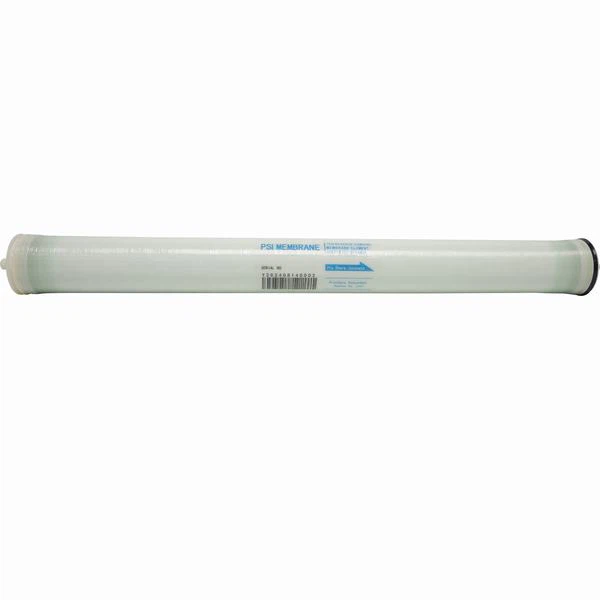
Before we dive into the adsorption capacity, let's briefly understand what nanofiltration membrane elements are. Nanofiltration (NF) is a pressure - driven membrane filtration process that lies between ultrafiltration and reverse osmosis. Nanofiltration Membrane Element are designed to selectively separate different components in a fluid based on their molecular size, charge, and other physicochemical properties. These elements are commonly used in various industries, including water treatment, food and beverage processing, and pharmaceutical manufacturing.
Factors Affecting Membrane Adsorption Capacity
The adsorption capacity of an NF membrane element is influenced by multiple factors.
1. Membrane Material
The material of the membrane plays a crucial role in determining its adsorption capacity. Different polymers and composite materials have different surface chemistries and affinities for various solutes. For example, some membranes made from polyamide have a high affinity for certain organic compounds due to the presence of amide groups on their surface. These amide groups can form hydrogen bonds with polar molecules, facilitating their adsorption onto the membrane surface. On the other hand, membranes made from cellulose acetate may have different adsorption characteristics, depending on the degree of acetylation and the presence of other functional groups.
2. Pore Size and Structure
The pore size and structure of the NF membrane also impact its adsorption capacity. NF membranes typically have pore sizes in the range of 1 - 10 nanometers. Smaller pore sizes can lead to higher rejection of solutes, but they may also limit the access of larger molecules to the adsorption sites within the membrane. Additionally, the pore structure, such as the porosity and tortuosity, can affect the diffusion of solutes through the membrane and their interaction with the adsorption sites. A more porous and less tortuous membrane structure may allow for faster diffusion of solutes and more efficient adsorption.
3. Solute Properties
The properties of the solutes in the feed solution, such as their size, charge, and hydrophobicity, greatly influence the adsorption capacity of the NF membrane. Charged solutes can interact with the charged groups on the membrane surface through electrostatic forces. For example, positively charged solutes may be attracted to negatively charged membrane surfaces, leading to enhanced adsorption. Hydrophobic solutes, on the other hand, may adsorb onto hydrophobic regions of the membrane through hydrophobic interactions. The size of the solute also matters; larger solutes may have difficulty entering the pores of the membrane and reaching the adsorption sites, while smaller solutes can more easily diffuse through the membrane and interact with the surface.
4. Operating Conditions
Operating conditions, including pressure, temperature, and pH, can have a significant impact on the adsorption capacity of NF membrane elements. Higher pressures can increase the flux of the feed solution through the membrane, which may enhance the contact between the solutes and the membrane surface, leading to increased adsorption. Temperature can affect the solubility of solutes and the mobility of molecules within the membrane. Generally, an increase in temperature can increase the diffusion rate of solutes, but it may also cause changes in the membrane structure and surface properties. The pH of the feed solution can alter the charge state of the membrane surface and the solutes, thereby influencing their electrostatic interactions and adsorption behavior.

Measuring Membrane Adsorption Capacity
There are several methods to measure the adsorption capacity of NF membrane elements.
1. Batch Adsorption Experiments
In batch adsorption experiments, a known amount of membrane is placed in a solution containing a specific solute at a certain concentration. The solution is then stirred for a period of time to allow for adsorption to reach equilibrium. After equilibrium is reached, the concentration of the solute in the solution is measured, and the amount of solute adsorbed onto the membrane can be calculated based on the difference in the initial and final concentrations. This method is relatively simple and can provide valuable information about the adsorption isotherm of the membrane for a particular solute.
2. Continuous Flow Experiments
Continuous flow experiments are more representative of real - world applications. In these experiments, the feed solution is continuously passed through the NF membrane element at a constant flow rate. Samples of the feed and permeate solutions are collected at regular intervals, and the concentration of the solute in both solutions is measured. By analyzing the change in solute concentration over time, the adsorption capacity of the membrane can be determined. This method can also provide information about the dynamic adsorption behavior of the membrane under continuous operation.
Importance of Membrane Adsorption Capacity in Applications
The adsorption capacity of NF membrane elements is of great importance in various applications.
1. Water Treatment
In water treatment, NF membranes are used to remove contaminants such as heavy metals, organic compounds, and microorganisms from water. A high adsorption capacity for these contaminants can improve the efficiency of the water treatment process and reduce the concentration of pollutants in the treated water. For example, NF membranes with a high adsorption capacity for heavy metals can effectively remove lead, mercury, and cadmium from industrial wastewater, making it safe for discharge or reuse.
2. Food and Beverage Processing
In the food and beverage industry, NF membranes are used for processes such as clarification, concentration, and separation. The adsorption capacity of the membrane can affect the quality and taste of the final product. For instance, membranes with a high adsorption capacity for certain flavor compounds can selectively remove unwanted flavors while retaining the desirable ones, improving the overall quality of the food or beverage.
3. Pharmaceutical Manufacturing
In pharmaceutical manufacturing, NF membranes are used for the purification of drugs and the separation of different components in pharmaceutical formulations. A high adsorption capacity for impurities can ensure the purity and safety of the final pharmaceutical product. For example, NF membranes can be used to remove endotoxins from parenteral solutions, which is crucial for the safety of patients.
Our Product Offerings
As a supplier of NF membrane elements, we offer a wide range of products to meet the diverse needs of our customers. Our Multilayer Composite Membrane NF8040 And 4040 are designed with advanced materials and manufacturing techniques to provide high adsorption capacity and excellent separation performance. These membranes have been carefully engineered to optimize the pore size, surface chemistry, and structure, ensuring efficient adsorption of various solutes.
We also have a state - of - the - art Nanofiltration Membrane Element factory, where we produce high - quality membrane elements using strict quality control measures. Our products are tested rigorously to ensure that they meet the highest standards of performance and reliability.
Conclusion
In conclusion, the membrane adsorption capacity of NF membrane elements is a complex and important parameter that is influenced by multiple factors, including membrane material, pore size and structure, solute properties, and operating conditions. Measuring the adsorption capacity accurately is crucial for understanding the performance of the membrane in different applications. As a supplier, we are committed to providing high - quality NF membrane elements with excellent adsorption capacity to meet the needs of our customers in various industries.
If you are interested in learning more about our NF membrane elements or have specific requirements for your application, we encourage you to contact us for further discussion and potential procurement. We look forward to working with you to find the best membrane solutions for your needs.
References
- Cheryan, M. Ultrafiltration and Microfiltration Handbook. Technomic Publishing Company, 1998.
- Mulder, M. Basic Principles of Membrane Technology. Kluwer Academic Publishers, 1996.
- Strathmann, H. Membrane Separation Technology: Principles and Applications. Springer, 2010.
Send Inquiry