


What performance indicators are used to evaluate UNF Membrane Element?
Jul 25, 2026
Leave a message
When it comes to evaluating UNF (Ultra-Loose Nanofiltration) membrane elements, a comprehensive set of performance indicators is crucial. As a supplier of UNF membrane elements, I'll delve into the key metrics that help assess the quality and efficiency of these essential components.
1. Rejection Rate
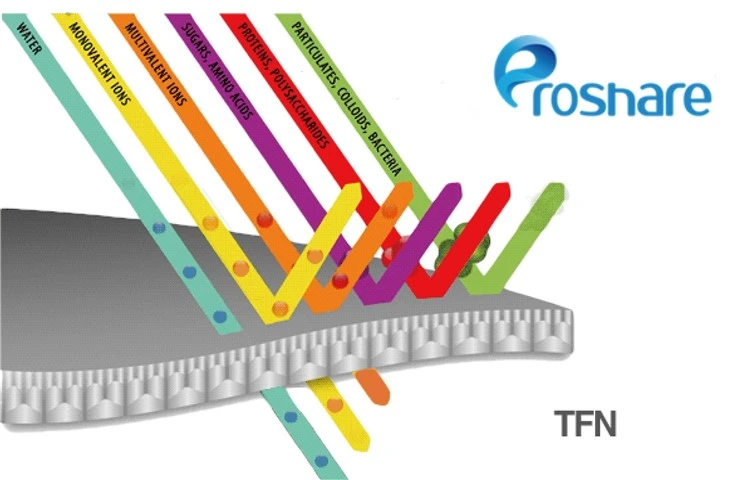
One of the primary performance indicators for UNF membrane elements is the rejection rate. This metric measures the membrane's ability to block specific substances from passing through while allowing water and certain desirable components to permeate. The rejection rate is typically expressed as a percentage and is determined for various solutes such as salts, organic compounds, and microorganisms.
For example, in water treatment applications, a high rejection rate for divalent ions like calcium and magnesium is desirable for softening water. Our Loose Nanofiltration Membrane Element offers an excellent rejection rate for a wide range of contaminants, ensuring high-quality water output. The rejection rate is influenced by several factors, including the membrane's pore size, surface charge, and the chemical properties of the solutes. A well-designed membrane with optimal pore size and surface characteristics will exhibit a high rejection rate for targeted contaminants.
2. Permeate Flux
Permeate flux is another critical performance indicator that measures the volume of water or solution that passes through the membrane per unit area and time. It is usually expressed in liters per square meter per hour (L/m²·h) or gallons per square foot per day (GFD). A high permeate flux indicates that the membrane can process a large volume of fluid efficiently, which is essential for high-capacity applications.
However, it's important to note that permeate flux is not solely dependent on the membrane itself. Operating conditions such as pressure, temperature, and feed concentration also play a significant role. For instance, increasing the pressure applied to the feed solution can generally increase the permeate flux. But excessive pressure can lead to membrane compaction and reduced long - term performance. Our Loose NF / Compact UNF Membrane Element is designed to maintain a high and stable permeate flux under a wide range of operating conditions, providing reliable performance in various applications.

3. Salt Passage
Salt passage is the inverse of the salt rejection rate and represents the percentage of salts that pass through the membrane. In desalination and water treatment processes, minimizing salt passage is essential to produce freshwater with acceptable salinity levels. A low salt passage indicates that the membrane is effective at retaining salts and other dissolved solids, resulting in high - quality permeate.
The salt passage is affected by factors such as membrane integrity, operating pressure, and the concentration of salts in the feed solution. Any damage to the membrane, such as pinholes or cracks, can significantly increase salt passage. Our membranes are manufactured with strict quality control measures to ensure low salt passage and consistent performance. For example, the Unique Membrane Element Resistant To Acid 8040 is designed to maintain low salt passage even in harsh acidic environments, making it suitable for applications where corrosion resistance is required.
4. Chemical Resistance
UNF membrane elements are often exposed to various chemicals in industrial and water treatment applications. Chemical resistance is therefore an important performance indicator. A membrane with good chemical resistance can withstand exposure to acids, bases, oxidizing agents, and other chemicals without significant deterioration in performance.
This is particularly important in applications where the feed solution contains chemicals or where cleaning agents are used to remove fouling from the membrane surface. Our Pro - CR Specialty Oxidation Resistant Membrane Element is engineered to have excellent chemical resistance, especially to oxidation. This allows it to maintain its structural integrity and performance over a long period, even when exposed to challenging chemical environments.
5. Fouling Resistance
Fouling is a common problem in membrane filtration processes, where contaminants such as particles, biofilms, and organic matter accumulate on the membrane surface or within the pores, reducing the membrane's performance. Fouling resistance is a measure of the membrane's ability to resist the accumulation of these contaminants.
A membrane with high fouling resistance will maintain a stable permeate flux and rejection rate for a longer time, reducing the frequency of cleaning and replacement. Our membranes are designed with anti - fouling properties, such as smooth surfaces and hydrophilic materials, to minimize fouling. For example, the Domestic RO Membrane Element 2812 is suitable for domestic water treatment applications and is engineered to resist fouling from common household contaminants, ensuring a long - lasting and efficient water filtration solution.
6. Mechanical Strength
Mechanical strength is an important performance indicator, especially in applications where the membrane is subjected to high pressures or flow rates. A membrane with good mechanical strength can withstand these forces without damage, ensuring long - term reliability.
Factors such as membrane material, thickness, and support structure affect the mechanical strength of the membrane. Our UNF membrane elements are constructed using high - quality materials and advanced manufacturing techniques to provide excellent mechanical strength. This allows them to operate under a wide range of pressure and flow conditions, making them suitable for various industrial and commercial applications.
7. Long - Term Stability
Long - term stability refers to the ability of the membrane to maintain its performance over an extended period. This is crucial for cost - effective and reliable operation. A membrane with good long - term stability will not experience significant degradation in rejection rate, permeate flux, or other performance indicators over time.
Our company focuses on researching and developing membrane materials and manufacturing processes to ensure the long - term stability of our UNF membrane elements. By conducting extensive testing and quality control, we can guarantee that our membranes will provide consistent performance throughout their service life.
In conclusion, evaluating UNF membrane elements requires considering multiple performance indicators, including rejection rate, permeate flux, salt passage, chemical resistance, fouling resistance, mechanical strength, and long - term stability. Our company's range of membrane elements, such as the Loose Nanofiltration Membrane Element, Unique Membrane Element Resistant To Acid 8040, Domestic RO Membrane Element 2812, Loose NF / Compact UNF Membrane Element, and Pro - CR Specialty Oxidation Resistant Membrane Element, are designed to meet high - standards in these performance aspects.
If you are interested in our UNF membrane elements or need more information about membrane evaluation and selection, please contact us for procurement discussions. We are committed to providing you with the best membrane solutions tailored to your specific needs.
References
- Baker, R. W. (2004). Membrane Technology and Applications. Wiley.
- Mulder, M. (1996). Basic Principles of Membrane Technology. Kluwer Academic Publishers.
- Cheryan, M. (1998). Ultrafiltration Handbook. Technomic Publishing Co.
Send Inquiry