


Are domestic reverse osmosis membrane elements resistant to chlorine?
Oct 27, 2025
Leave a message
As a supplier of domestic and commercial reverse osmosis membrane elements, I often encounter questions from customers about the performance and durability of our products. One of the most frequently asked questions is whether domestic reverse osmosis membrane elements are resistant to chlorine. In this blog post, I will delve into this topic and provide you with a comprehensive understanding of the relationship between reverse osmosis membranes and chlorine.
Understanding Reverse Osmosis Membranes
Reverse osmosis (RO) is a water purification process that uses a semi - permeable membrane to remove ions, molecules, and larger particles from water. RO membranes are designed to allow water molecules to pass through while blocking contaminants. These membranes are widely used in both domestic and commercial settings, such as home water purification systems and industrial water treatment plants.
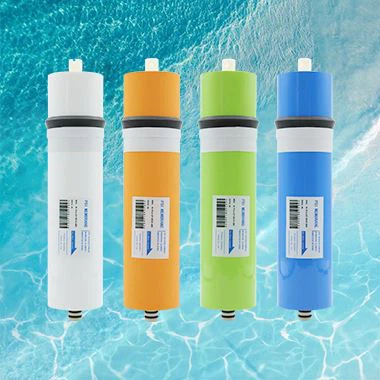
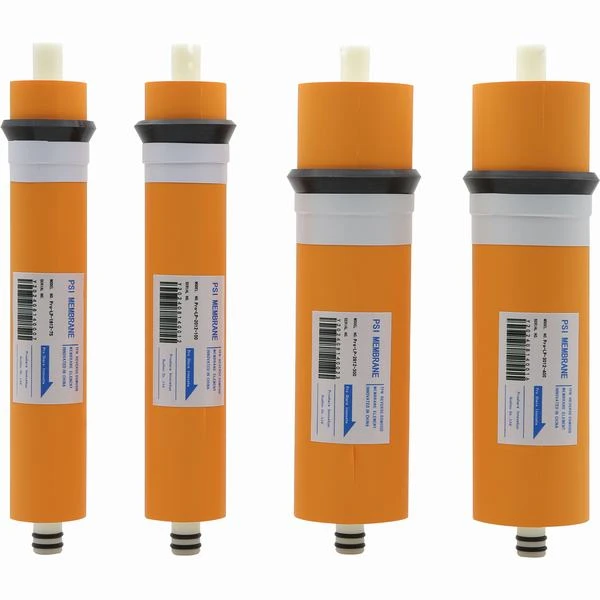
Our company offers a range of high - quality domestic reverse osmosis membrane elements, including the Domestic Reverse Osmosis Membrane 1812, Best Domestic RO Membrane 3012, and Domestic Reverse Osmosis Membrane. These membranes are engineered to provide efficient water purification and long - term performance.
The Role of Chlorine in Water Treatment
Chlorine is a commonly used disinfectant in water treatment. It is added to municipal water supplies to kill bacteria, viruses, and other harmful microorganisms. Chlorine is effective in preventing water - borne diseases and ensuring the safety of drinking water. However, while chlorine is beneficial for water disinfection, it can have a negative impact on reverse osmosis membranes.
The Impact of Chlorine on Reverse Osmosis Membranes
Most reverse osmosis membranes are made of thin - film composite (TFC) materials. These TFC membranes are highly susceptible to damage from chlorine. Chlorine is a strong oxidizing agent, and when it comes into contact with the TFC membrane, it can break down the polymer chains that make up the membrane structure.
The damage caused by chlorine can lead to several problems. Firstly, it can increase the membrane's permeability, allowing more contaminants to pass through. This means that the water quality produced by the reverse osmosis system will deteriorate, and the membrane will be less effective at removing impurities. Secondly, chlorine damage can reduce the membrane's lifespan. A membrane that is exposed to high levels of chlorine will need to be replaced more frequently, which increases the operating costs of the water purification system.
Are Domestic Reverse Osmosis Membrane Elements Resistant to Chlorine?
In general, standard domestic reverse osmosis membrane elements are not resistant to chlorine. As mentioned earlier, the TFC membranes used in most domestic RO systems are vulnerable to chlorine oxidation. However, there are some special types of membranes that have been developed to be more chlorine - resistant.
These chlorine - resistant membranes are typically made with modified polymer materials or have a protective coating. They can withstand a certain level of chlorine exposure without significant damage. But it's important to note that even these chlorine - resistant membranes have their limits. Prolonged exposure to high levels of chlorine can still cause damage over time.
Protecting Reverse Osmosis Membranes from Chlorine
To ensure the long - term performance of reverse osmosis membranes, it is essential to remove chlorine from the feed water before it enters the RO system. There are several methods for removing chlorine:
Activated Carbon Filters
Activated carbon filters are one of the most common ways to remove chlorine from water. These filters work by adsorbing chlorine molecules onto the surface of the carbon. They are relatively inexpensive and easy to install. By using an activated carbon pre - filter in a reverse osmosis system, the amount of chlorine reaching the membrane can be significantly reduced.
Sodium Bisulfite Injection
Another method is to inject sodium bisulfite into the feed water. Sodium bisulfite is a reducing agent that reacts with chlorine to form harmless by - products. This method is often used in larger commercial and industrial water treatment systems.
Testing and Monitoring Chlorine Levels
It is also important to regularly test and monitor the chlorine levels in the feed water. There are simple test kits available that can measure the chlorine concentration in water. By regularly checking the chlorine levels, you can ensure that the pre - treatment methods are working effectively and that the membrane is not being exposed to excessive chlorine.
Conclusion
In conclusion, standard domestic reverse osmosis membrane elements are generally not resistant to chlorine. Chlorine can cause significant damage to the membrane structure, leading to reduced water quality and a shorter membrane lifespan. However, there are solutions available to protect the membranes from chlorine, such as using activated carbon filters or sodium bisulfite injection.
As a supplier of domestic and commercial reverse osmosis membrane elements, we are committed to providing our customers with high - quality products and comprehensive technical support. If you are interested in purchasing our reverse osmosis membranes or have any questions about water purification, please feel free to contact us for a detailed discussion and to explore the best solutions for your specific needs.
References
- Cheryan, M. Ultrafiltration and Microfiltration Handbook. Technomic Publishing, 1998.
- McGhee, T. J. Water Supply and Sewerage. McGraw - Hill, 2005.
- Lonsdale, H. K. "Reverse Osmosis." Science, vol. 180, no. 4088, 1973, pp. 135 - 142.
Send Inquiry