


Are high temperature or oxidation resistant membrane elements resistant to UV radiation?
Nov 13, 2025
Leave a message
Hey there! As a supplier of high temperature or oxidation resistant membrane elements, I often get asked a really interesting question: Are these membrane elements resistant to UV radiation? Let's dig into this topic and find out.
First off, let's quickly talk about what high temperature or oxidation resistant membrane elements are. These are some pretty amazing pieces of tech. They're designed to withstand extreme heat and oxidation, which makes them super useful in a whole bunch of industries. For example, in chemical processing plants where there are high - temperature and corrosive environments, or in water treatment facilities where oxidation is a big deal.
Now, let's move on to UV radiation. UV radiation is a form of electromagnetic radiation from the sun and artificial sources. It has a shorter wavelength than visible light and can cause all sorts of problems. It can break down materials, cause discoloration, and even reduce the mechanical properties of many substances over time.
So, are our high temperature or oxidation resistant membrane elements resistant to UV radiation? Well, it depends. Some of these membrane elements do have a certain level of UV resistance. The materials used in their construction play a huge role here. For instance, some polymers used in the membranes have inherent UV - blocking properties. They can absorb or scatter UV rays, preventing them from reaching the core of the membrane and causing damage.
But it's not a one - size - fits - all situation. Not all high temperature or oxidation resistant membrane elements are equally resistant to UV. Some might be more focused on withstanding high temperatures or oxidation, and their UV resistance might be a secondary consideration.
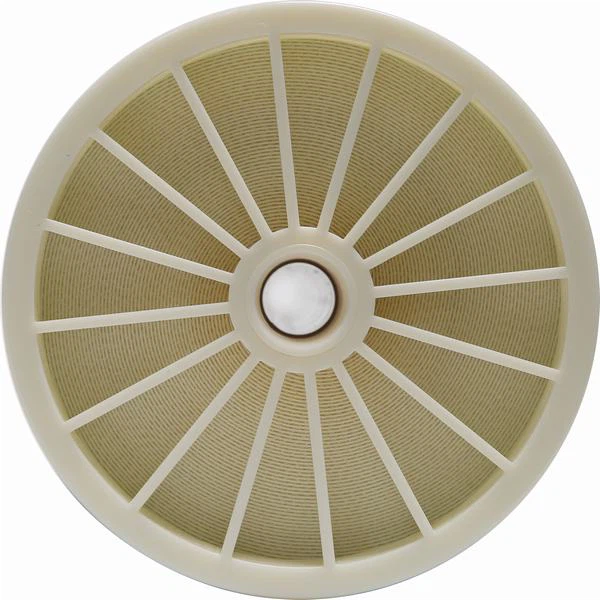
Let's take a look at some of our specific products. We have the Element Of A Special High Temperature Resistant Membrane 8040. This membrane element is specifically engineered to handle high temperatures. While it does have some level of UV resistance, its main strength lies in its ability to maintain its performance under extreme heat. The unique polymer blend used in its construction gives it a good balance between high - temperature resistance and basic UV protection.
Then there's the Unique Membrane Element Resistant To Oxidation 8040. This one is all about oxidation resistance. It's made with materials that can resist the chemical reactions caused by oxidation. When it comes to UV radiation, it also has some built - in protection. However, in environments with very high levels of UV exposure, additional measures might be needed to ensure its long - term performance.
Our Pro - CR specialty oxidation resistant membrane element is another great product. It combines excellent oxidation resistance with a decent amount of UV resistance. This is achieved through a combination of advanced materials and manufacturing techniques. The membrane has a surface coating that helps to reflect and absorb UV rays, reducing the amount of damage they can cause.
In some cases, if you're using these membrane elements in an environment with high UV exposure, you might want to take extra precautions. One option is to use protective covers. These can be made of materials that are highly UV - resistant and can shield the membrane elements from direct UV rays. Another approach is to apply UV - resistant coatings on the membrane elements themselves. These coatings can add an extra layer of protection and increase the lifespan of the membranes.
It's also important to consider the duration of UV exposure. Short - term exposure to moderate levels of UV radiation might not cause significant damage to our membrane elements. But long - term exposure, especially in areas with intense sunlight or near artificial UV sources, can gradually degrade the membranes.
We've done a lot of testing on our membrane elements to evaluate their UV resistance. In our lab, we simulate different UV exposure conditions to see how the membranes perform over time. We measure things like changes in color, mechanical strength, and filtration performance. Based on these tests, we can give our customers a better idea of how well the membrane elements will hold up in real - world UV - exposed environments.

If you're in an industry where UV exposure is a concern, don't worry. We're here to help you find the right solution. Whether you need a membrane element with high - end UV resistance or just a basic level of protection, we have products that can meet your needs.
We understand that choosing the right membrane element is crucial for your operations. That's why we offer a range of options, and our team of experts is always available to answer your questions. We can help you assess your specific requirements, including UV exposure levels, temperature, and oxidation factors, and recommend the best product for your situation.
If you're interested in learning more about our high temperature or oxidation resistant membrane elements and their UV resistance, or if you're ready to start a procurement discussion, don't hesitate to reach out. We're eager to work with you and provide you with the best membrane solutions for your business.
In conclusion, while not all high temperature or oxidation resistant membrane elements are highly resistant to UV radiation, many of our products do offer a certain level of protection. With the right product selection and additional protective measures, you can ensure that your membrane elements perform well even in UV - exposed environments.
References
- Industry reports on membrane materials and their properties
- Internal research and testing data from our company
Send Inquiry