


How do I clean an RO membrane that has a biofilm?
Nov 13, 2025
Leave a message
Hey there! If you're dealing with a RO membrane that's got a biofilm, you've come to the right place. I'm from an RO Membrane Cleaning supplier, and I've seen my fair share of biofilm - clogged membranes. In this blog, I'll walk you through how to clean an RO membrane with a biofilm.
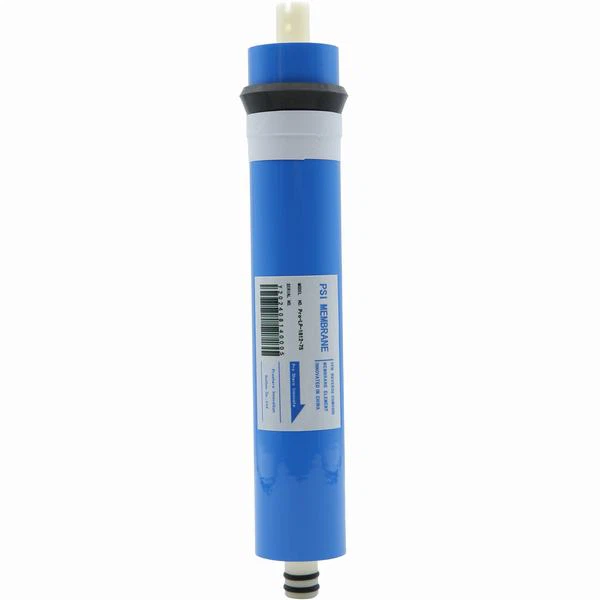

What is a Biofilm on an RO Membrane?
First off, let's talk about what a biofilm is. A biofilm is a slimy layer of microorganisms like bacteria, fungi, and algae that stick together on the surface of the RO membrane. This happens when these little critters find a nice, wet, and nutrient - rich environment, which is exactly what an RO membrane provides. Once they form a biofilm, it can really mess up the membrane's performance. The biofilm acts as a barrier, reducing the membrane's water flow and increasing the pressure needed to push water through. It can also lead to poor water quality because it can trap contaminants and prevent them from being filtered out properly.
Signs of a Biofilm on Your RO Membrane
So, how do you know if your RO membrane has a biofilm? There are a few tell - tale signs. One of the most obvious is a decrease in water production. If you notice that your RO system is producing less water than usual, or it's taking a lot longer to fill up your storage tank, that could be a sign of a biofilm. Another sign is an increase in the pressure required to operate the system. You might also notice a change in the taste or smell of the water. If it starts to taste or smell funny, it could be because the biofilm is allowing contaminants to pass through the membrane.
Cleaning an RO Membrane with a Biofilm
Now, let's get into the nitty - gritty of cleaning the membrane.
Step 1: Shut Down the RO System
Before you start cleaning, you need to shut down the RO system. This is important for your safety and to prevent any damage to the system. Turn off the power supply and close the water inlet valve.
Step 2: Prepare the Cleaning Solution
You'll need a cleaning solution specifically designed for RO membranes. There are a few different types available on the market, but most of them contain chemicals that can break down the biofilm. You can usually find these cleaning solutions at your local hardware store or order them online. Make sure to follow the manufacturer's instructions when preparing the solution. Usually, you'll need to mix the cleaning agent with water in a specific ratio.
Step 3: Circulate the Cleaning Solution
Once you've prepared the cleaning solution, you need to circulate it through the RO membrane. You can do this by using a pump. Connect the pump to the RO system and start circulating the cleaning solution through the membrane for about 30 minutes to an hour. This will allow the solution to break down the biofilm.
Step 4: Soak the Membrane
After circulating the cleaning solution, you might want to let the membrane soak in the solution for a while. This can help to further break down stubborn biofilm. Leave the solution in the system for a few hours or even overnight, depending on how bad the biofilm is.
Step 5: Rinse the Membrane
Once you've soaked the membrane, it's time to rinse it. Flush the system with clean water to remove all the cleaning solution and the broken - down biofilm. Keep flushing until the water runs clear. This step is crucial because any leftover cleaning solution can damage the membrane over time.
Step 6: Restart the RO System
After you've rinsed the membrane thoroughly, you can restart the RO system. Turn on the power supply and open the water inlet valve. Let the system run for a while to make sure everything is working properly.
Tips for Preventing Biofilm Formation
Cleaning the membrane is one thing, but it's even better to prevent biofilm from forming in the first place. Here are some tips:
- Keep the System Clean: Regularly clean the pre - filters in your RO system. These filters can trap a lot of the contaminants that could lead to biofilm formation.
- Monitor Water Quality: Keep an eye on the quality of the water going into the RO system. If the water has a high level of nutrients or microorganisms, it's more likely to form a biofilm. You might need to use additional pre - treatment methods, like a UV sterilizer, to reduce the microbial load.
- Use Biocides: There are biocides available that can be added to the water to prevent the growth of microorganisms. However, you need to be careful when using biocides because they can also damage the membrane if not used correctly.
Our Products and Services
As an RO Membrane Cleaning supplier, we offer a range of products and services to help you keep your RO membranes in top condition. We have high - quality cleaning solutions that are specifically formulated to break down biofilm without damaging the membrane. Our solutions are easy to use and are proven to be effective.
We also offer professional cleaning services. If you don't feel comfortable cleaning the membrane yourself, our team of experts can come to your location and clean the membrane for you. We have the experience and the tools to get the job done right.
If you're in the market for a new RO membrane, we've got you covered. We offer a variety of domestic RO membranes, such as the Domestic RO Membrane Element 2812, the Best Domestic RO Membrane 3012, and the Domestic Reverse Osmosis Membrane 1812. These membranes are designed to provide high - quality water filtration and are built to last.
Contact Us for More Information
If you have any questions about cleaning RO membranes, or if you're interested in our products and services, don't hesitate to get in touch. We're here to help you keep your RO system running smoothly and your water clean. Whether you need advice on cleaning, want to purchase a new membrane, or are looking for professional cleaning services, we can assist you. Reach out to us, and let's start a conversation about how we can meet your RO membrane needs.
References
- Cheryan, M. (1998). Ultrafiltration and Microfiltration Handbook. Technomic Publishing.
- Baker, R. W. (2004). Membrane Technology and Applications. Wiley.
Send Inquiry