


Can high temperature or oxidation resistant membrane elements be used in membrane reactors?
May 15, 2026
Leave a message
Can high temperature or oxidation resistant membrane elements be used in membrane reactors?
As a supplier of high temperature or oxidation resistant membrane elements, I am often asked about the feasibility of using our products in membrane reactors. In this blog post, I will explore the potential of these specialized membrane elements in membrane reactor applications, discussing their properties, advantages, and limitations.
Understanding High Temperature and Oxidation Resistant Membrane Elements
High temperature and oxidation resistant membrane elements are designed to withstand extreme conditions that would typically degrade conventional membranes. These membranes are engineered with advanced materials and manufacturing techniques to maintain their integrity and performance under high temperatures, aggressive chemical environments, and oxidative conditions.
Our company offers a range of high temperature and oxidation resistant membrane elements, including the Pro-Therm Specialty High Temperature Resistant Membrane Element, Unique Membrane Element Resistant To Oxidation 8040, and Pro-CR Specialty Oxidation Resistant Membrane Element. These products are specifically designed to meet the demanding requirements of various industrial applications, including membrane reactors.
Advantages of Using High Temperature or Oxidation Resistant Membrane Elements in Membrane Reactors
1. Enhanced Thermal Stability
One of the primary advantages of using high temperature resistant membrane elements in membrane reactors is their ability to operate at elevated temperatures. This allows for more efficient chemical reactions, as many reactions are thermodynamically favored at higher temperatures. By using high temperature resistant membranes, membrane reactors can achieve higher reaction rates and conversion efficiencies, leading to increased productivity and reduced operating costs.
2. Resistance to Oxidation
Oxidation is a common problem in many industrial processes, especially those involving the use of oxygen or other oxidizing agents. High oxidation resistant membrane elements can withstand the corrosive effects of oxidation, ensuring long-term stability and performance in membrane reactors. This is particularly important in applications where the membrane is exposed to harsh chemical environments or high levels of oxygen.
3. Improved Selectivity
High temperature and oxidation resistant membrane elements can be designed to have high selectivity for specific molecules or compounds. This allows for the separation and purification of target substances from complex mixtures, making membrane reactors an attractive option for a wide range of applications, including gas separation, water treatment, and chemical synthesis.
4. Reduced Fouling and Scaling
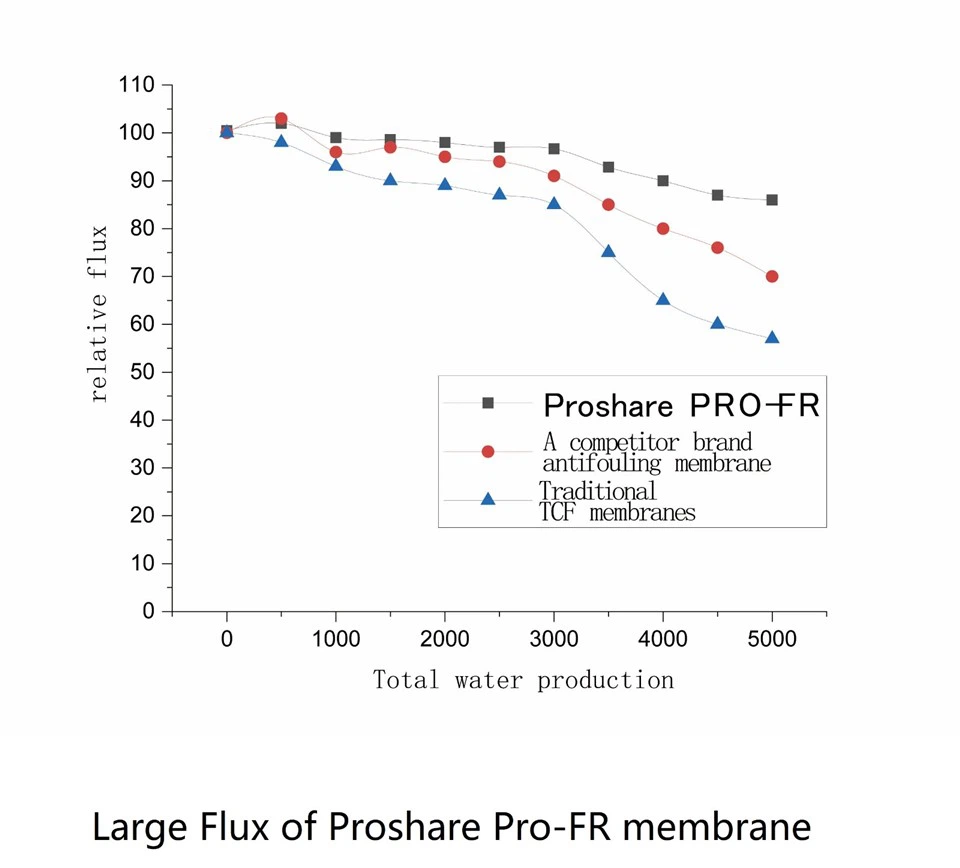
Fouling and scaling are common issues in membrane reactors, which can reduce the performance and lifespan of the membrane. High temperature and oxidation resistant membrane elements are less prone to fouling and scaling, as they are more resistant to the deposition of contaminants on the membrane surface. This results in longer membrane lifetimes and reduced maintenance requirements, leading to lower operating costs.
Limitations and Challenges
While high temperature and oxidation resistant membrane elements offer many advantages in membrane reactor applications, there are also some limitations and challenges that need to be considered.
1. High Cost
High temperature and oxidation resistant membrane elements are typically more expensive than conventional membranes due to the advanced materials and manufacturing processes used in their production. This can make them less cost-effective for some applications, especially those with low budgets or small-scale operations.
2. Limited Availability
The availability of high temperature and oxidation resistant membrane elements may be limited, as they are specialized products that are not widely produced. This can make it difficult to source these membranes in large quantities or in a timely manner, which may impact the implementation of membrane reactor projects.
3. Compatibility Issues
High temperature and oxidation resistant membrane elements may not be compatible with all types of membrane reactors or process conditions. It is important to carefully evaluate the compatibility of the membrane with the specific reactor design and operating conditions to ensure optimal performance and longevity.
Applications of High Temperature or Oxidation Resistant Membrane Elements in Membrane Reactors
High temperature and oxidation resistant membrane elements have a wide range of applications in membrane reactors, including:
1. Gas Separation
Membrane reactors can be used for the separation of gases, such as hydrogen, oxygen, and carbon dioxide. High temperature and oxidation resistant membrane elements are particularly suitable for gas separation applications, as they can withstand the high temperatures and oxidative conditions typically encountered in these processes.
2. Water Treatment
Membrane reactors can be used for the treatment of water, including the removal of contaminants, such as heavy metals, organic compounds, and microorganisms. High temperature and oxidation resistant membrane elements can be used in water treatment applications to improve the efficiency and effectiveness of the treatment process.
3. Chemical Synthesis
Membrane reactors can be used for the synthesis of chemicals, such as pharmaceuticals, polymers, and fine chemicals. High temperature and oxidation resistant membrane elements can be used in chemical synthesis applications to improve the selectivity and yield of the reaction, as well as to reduce the formation of by-products.
Conclusion
In conclusion, high temperature and oxidation resistant membrane elements have the potential to be used in membrane reactors to enhance the performance and efficiency of various industrial processes. These specialized membrane elements offer many advantages, including enhanced thermal stability, resistance to oxidation, improved selectivity, and reduced fouling and scaling. However, there are also some limitations and challenges that need to be considered, such as high cost, limited availability, and compatibility issues.

If you are interested in using high temperature or oxidation resistant membrane elements in your membrane reactor application, please contact us to discuss your specific requirements. Our team of experts can provide you with detailed information about our products and help you select the most suitable membrane element for your needs. We look forward to working with you to achieve your industrial goals.
References
- Baker, R. W. (2004). Membrane Technology and Applications. John Wiley & Sons.
- Mulder, M. (1996). Basic Principles of Membrane Technology. Kluwer Academic Publishers.
- Strathmann, H. (1994). Synthetic Membranes: Science, Engineering and Applications. Elsevier.
Send Inquiry