


What is the cost of a commercial RO membrane?
May 14, 2026
Leave a message
As a supplier of Commercial RO Membranes, I often get asked about the cost of these essential water treatment components. Understanding the cost of a commercial RO membrane is crucial for businesses and industries that rely on reverse osmosis technology for their water purification needs. In this blog post, I'll delve into the factors that influence the cost of commercial RO membranes, provide insights into pricing trends, and offer some tips on how to make cost - effective decisions when purchasing these membranes.
Factors Affecting the Cost of Commercial RO Membranes
1. Membrane Material
The material used to manufacture the RO membrane plays a significant role in determining its cost. The most common materials for commercial RO membranes are thin - film composite (TFC) and cellulose acetate. TFC membranes are widely used due to their high salt rejection, high flux, and chemical resistance. However, they are generally more expensive than cellulose acetate membranes. TFC membranes are made through a complex manufacturing process that involves multiple layers, which contributes to their higher cost. On the other hand, cellulose acetate membranes are less expensive but have lower performance in terms of salt rejection and chemical resistance.
2. Membrane Size and Configuration
The size and configuration of the commercial RO membrane also impact its cost. Larger membranes with higher surface areas can process more water per unit time, but they are more expensive to produce. Additionally, the configuration of the membrane, such as spiral - wound or plate - and - frame, can affect the cost. Spiral - wound membranes are the most common type in commercial applications because they are cost - effective and easy to install. Plate - and - frame membranes, while offering some advantages in terms of cleaning and maintenance, are generally more expensive due to their more complex design.
3. Performance Specifications
Commercial RO membranes are available with different performance specifications, such as salt rejection rate, flux rate, and pressure requirements. Membranes with higher salt rejection rates and higher flux rates are generally more expensive because they require more advanced manufacturing techniques and materials. For example, a membrane with a 99% salt rejection rate will be more costly than one with a 95% salt rejection rate. Similarly, membranes that can operate at lower pressures while maintaining high performance are also more expensive as they offer energy savings and longer service life.
4. Brand and Manufacturer
The brand and manufacturer of the commercial RO membrane can also influence its cost. Well - known brands with a reputation for high - quality products often charge a premium for their membranes. These brands invest heavily in research and development, quality control, and customer support, which is reflected in the price of their products. However, it's important to note that while a well - known brand may offer higher quality, there are also many reliable and cost - effective options from lesser - known manufacturers.
Pricing Trends in the Commercial RO Membrane Market
The pricing of commercial RO membranes has been relatively stable in recent years, but there are some trends that are worth noting. One of the main factors affecting pricing is the cost of raw materials. Fluctuations in the prices of polymers, solvents, and other materials used in membrane manufacturing can lead to changes in the cost of RO membranes. For example, an increase in the price of petroleum - based polymers can cause the cost of TFC membranes to rise.
Another trend is the increasing demand for energy - efficient membranes. As energy costs continue to rise, businesses are looking for RO membranes that can operate at lower pressures and consume less energy. Membranes with advanced energy - saving features are generally more expensive, but they can provide significant long - term cost savings.
The market is also becoming more competitive, which is driving down prices in some segments. New manufacturers are entering the market, offering more affordable alternatives to established brands. This competition is beneficial for buyers as it gives them more options and the ability to negotiate better prices.
Cost - Effective Strategies for Purchasing Commercial RO Membranes
1. Evaluate Your Needs
Before purchasing a commercial RO membrane, it's important to evaluate your specific water treatment needs. Consider factors such as the quality of the feed water, the required flow rate, and the desired level of salt rejection. By understanding your needs, you can select a membrane that offers the right balance of performance and cost. For example, if your feed water has a relatively low salt content, you may not need a membrane with the highest salt rejection rate, which can save you money.
2. Compare Brands and Manufacturers
Don't just go for the well - known brands. Take the time to compare different brands and manufacturers to find the best value for your money. Look for reviews and testimonials from other customers to get an idea of the quality and reliability of the membranes. You can also contact the manufacturers directly to request quotes and ask questions about their products.
3. Consider Long - Term Costs
When evaluating the cost of a commercial RO membrane, it's important to consider the long - term costs. A membrane that is more expensive upfront may offer better performance and a longer service life, which can result in lower overall costs over time. For example, a membrane with a higher flux rate may require less energy to operate, which can save you money on energy bills.
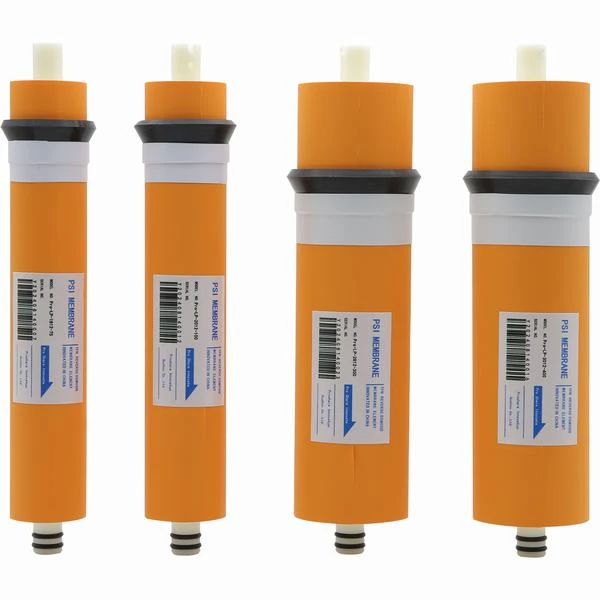

4. Bulk Purchasing
If you have a large - scale water treatment project, consider purchasing commercial RO membranes in bulk. Many manufacturers offer discounts for bulk orders, which can significantly reduce the cost per membrane. However, make sure you have the storage space and the ability to use the membranes within a reasonable time frame.
Conclusion
The cost of a commercial RO membrane is influenced by a variety of factors, including membrane material, size and configuration, performance specifications, and brand. By understanding these factors and following cost - effective purchasing strategies, businesses can make informed decisions when buying commercial RO membranes.
If you are in the market for a Commercial RO Membrane, we invite you to contact us for a quote. We are a reliable supplier of high - quality commercial RO membranes, and we can help you find the right membrane for your specific needs. We also offer Domestic Reverse Osmosis Membrane and Residential RO Membrane 3012 for smaller - scale applications.
References
- "Reverse Osmosis Membrane Technology" by R. W. Baker
- "Water Treatment Handbook" by P. M. Bungay
Send Inquiry