


Can I use baking soda to clean the RO membrane?
Sep 19, 2025
Leave a message
Hey there! As a supplier of RO membrane cleaning services, I often get asked a bunch of questions about cleaning these membranes. One question that pops up quite a bit is, "Can I use baking soda to clean the RO membrane?" Well, let's dig into this topic and find out.
First off, let's understand what an RO membrane is. RO stands for Reverse Osmosis, and it's a super important part of water purification systems. RO membranes are used to remove a whole bunch of contaminants from water, like salts, heavy metals, and other yucky stuff. There are different types of RO membranes, such as the Domestic Reverse Osmosis Membrane 1812, Domestic Reverse Osmosis Membrane, and Commercial RO Membrane 3013. Each type has its own specific uses and requirements.
Now, let's talk about baking soda. Baking soda, also known as sodium bicarbonate, is a common household item. It's got a bunch of uses around the house, like cleaning, deodorizing, and even in cooking. It's known for being a mild alkaline substance, which means it can help break down some types of dirt and grime.
So, can you use baking soda to clean an RO membrane? The short answer is, it depends. Baking soda can be used in some cases, but it's not a one - size - fits - all solution.
The Pros of Using Baking Soda
One of the good things about baking soda is that it's relatively gentle. If the RO membrane is only lightly soiled with organic matter like some light dirt or algae, baking soda might do the trick. It can help neutralize acidic substances on the membrane surface. Since it's alkaline, it can react with acidic contaminants and break them down.
Another advantage is that it's readily available and inexpensive. You don't have to go out and buy some fancy cleaning chemicals. You can just grab a box of baking soda from your local grocery store.
The Cons of Using Baking Soda
However, there are also some downsides. RO membranes are very delicate. They have a specific pore size and structure that allows them to filter out contaminants effectively. Baking soda might not be strong enough to remove all types of contaminants. For example, if the membrane is fouled with heavy metals, scale (like calcium carbonate), or certain types of bacteria, baking soda probably won't be sufficient.

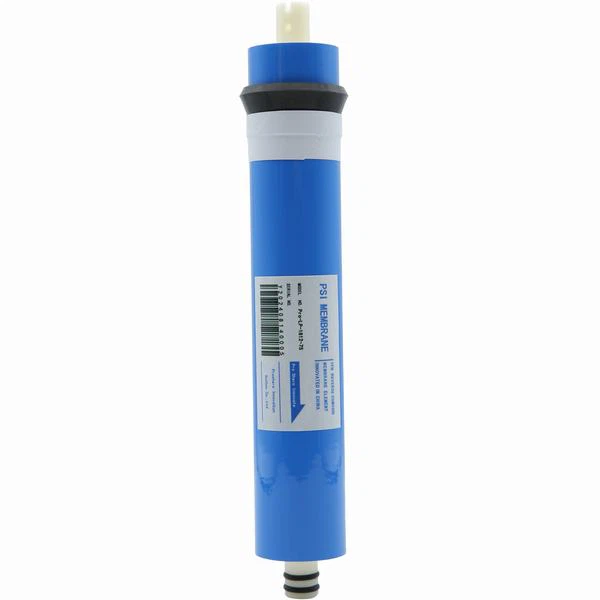
Also, if you use too much baking soda or don't rinse it properly, it can leave a residue on the membrane. This residue can actually clog the pores of the membrane over time, reducing its efficiency and lifespan.
How to Use Baking Soda to Clean an RO Membrane (If You Decide to Try)
If you want to give it a shot, here's a simple process:
- Prepare the Solution: Mix about 1 - 2 tablespoons of baking soda in a gallon of clean water. Stir it well until the baking soda is completely dissolved.
- Turn off the System: Before you start cleaning, make sure to turn off the RO water purification system and disconnect it from the power source.
- Flush the Membrane: Use the baking soda solution to flush the RO membrane. You can do this by using a pump or a syringe to slowly push the solution through the membrane. Let the solution sit in the membrane for about 15 - 30 minutes.
- Rinse Thoroughly: After the soaking time, rinse the membrane with clean water multiple times. Make sure to get rid of all the baking soda residue.
- Test the System: Once you've rinsed the membrane, turn the system back on and check the water quality and flow rate. If the problem persists, it might be time to consider other cleaning methods.
Other Cleaning Options
If baking soda doesn't work, there are other cleaning agents that are specifically designed for RO membrane cleaning. These cleaning agents are formulated to target different types of contaminants. For example, there are acidic cleaners for removing scale and alkaline cleaners for organic matter.
When choosing a cleaning agent, it's important to follow the manufacturer's instructions. Using the wrong cleaning agent or using it incorrectly can damage the membrane.
When to Call in the Professionals
If you're not sure what's causing the fouling of your RO membrane or if you've tried a few cleaning methods without success, it might be a good idea to call in a professional. As an RO Membrane Cleaning supplier, we have the expertise and the right tools to diagnose the problem and clean the membrane properly.
We can conduct a detailed analysis of the membrane to determine the type of contaminants present. Then, we can use the most appropriate cleaning method to restore the membrane's performance.
Conclusion
In conclusion, while baking soda can be used to clean an RO membrane in some cases, it's not always the best option. It's gentle and readily available, but it might not be strong enough to handle all types of fouling. If you're dealing with a lightly soiled membrane, you can give it a try, but make sure to rinse thoroughly.
If you're facing more serious fouling issues or you're not confident in your cleaning abilities, don't hesitate to reach out. We're here to help you keep your RO membranes in top - notch condition. Whether you have a Domestic Reverse Osmosis Membrane 1812, Domestic Reverse Osmosis Membrane, or Commercial RO Membrane 3013, we've got the solutions for you.
If you're interested in our RO membrane cleaning services or want to discuss your specific needs, feel free to get in touch. We can offer you customized cleaning plans and advice to ensure your RO system works efficiently for years to come.
References
- "Reverse Osmosis Membrane Technology and Applications" - A technical book on RO membranes and their maintenance.
- Manufacturer's manuals for RO membranes, which often include cleaning guidelines.
Send Inquiry