


How does a membrane filtration water purifier work?
May 13, 2026
Leave a message
Hey there! As a supplier in the water purification game, I get asked a lot about how membrane filtration water purifiers work. So, I thought I'd break it down for you in a way that's easy to understand.
Let's start with the basics. A membrane filtration water purifier is a device that uses a special membrane to remove impurities from water. The membrane acts like a super - fine sieve, allowing only certain molecules to pass through while blocking others.
The Science Behind Membrane Filtration
There are different types of membrane filtration, but the most common ones used in water purification are microfiltration, ultrafiltration, nanofiltration, and reverse osmosis.
Microfiltration (MF)
Microfiltration membranes have relatively large pores, usually in the range of 0.1 to 10 micrometers. These membranes can remove large particles such as sediment, algae, and some bacteria from the water. It's like a first - stage filter that gets rid of the big stuff. For example, if you have water with visible dirt or debris, microfiltration can be the first step to make it clearer.
Ultrafiltration (UF)
Ultrafiltration membranes have smaller pores, typically between 0.001 and 0.1 micrometers. They can remove smaller particles like viruses, some proteins, and colloids. UF is great for improving the quality of water by removing contaminants that are too small for microfiltration to catch. It can make the water look clearer and reduce the risk of certain water - borne diseases.
Nanofiltration (NF)
Nanofiltration membranes have even smaller pores, in the range of 0.001 micrometers. These membranes can remove multivalent ions, such as calcium and magnesium, which are responsible for water hardness. They can also remove some organic compounds and small molecules. Nanofiltration is often used in applications where you want to reduce the hardness of water while still retaining some beneficial minerals.
Reverse Osmosis (RO)
Reverse osmosis is the most advanced form of membrane filtration. RO membranes have extremely small pores, around 0.0001 micrometers. They can remove almost all contaminants from water, including dissolved salts, heavy metals, and most organic compounds. Reverse osmosis is like a super - high - tech filter that can turn even the most contaminated water into clean, drinkable water.
How a Membrane Filtration Water Purifier Works Step by Step
-
Pre - filtration
Before the water reaches the membrane, it usually goes through a pre - filtration process. This step is important because it removes large particles that could clog the membrane. A pre - filter can be a simple sediment filter that catches sand, dirt, and rust. This extends the life of the membrane and ensures that it can work efficiently. -
Pressurization
For most membrane filtration processes, especially reverse osmosis, the water needs to be pressurized. The pressure forces the water through the membrane. In the case of reverse osmosis, the pressure has to be high enough to overcome the natural osmotic pressure. This is because reverse osmosis works against the normal flow of water in osmosis. -
Membrane Separation
Once the water is pressurized, it passes through the membrane. The membrane allows water molecules to pass through while blocking contaminants. For example, in a reverse osmosis system, the water molecules are small enough to pass through the tiny pores of the membrane, but dissolved salts, heavy metals, and other impurities are too large and are left behind. -
Collection of Purified Water
The water that passes through the membrane is the purified water. It is collected and can be used for various purposes, such as drinking, cooking, or industrial processes. The contaminants that are blocked by the membrane are usually flushed away as wastewater.
The Importance of Membrane Selection
Choosing the right membrane for your water purification needs is crucial. Different membranes have different properties and are suitable for different types of water and contaminants.
For domestic use, a reverse osmosis membrane is often a popular choice. It can provide high - quality drinking water by removing a wide range of contaminants. If you're looking for a great domestic reverse osmosis membrane, you might want to check out the Best Domestic RO Membrane 3012. It's designed to be efficient and reliable for home use.
The Domestic Reverse Osmosis Membrane is another option that offers good performance in removing impurities from household water. And if you specifically need a membrane for residential use, the Residential RO Membrane 3012 is a great choice.
Maintenance of Membrane Filtration Water Purifiers
To keep your membrane filtration water purifier working properly, regular maintenance is necessary. This includes replacing the pre - filters regularly to prevent clogging and cleaning or replacing the membrane as recommended by the manufacturer.

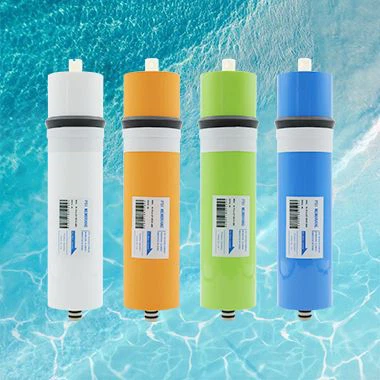
Over time, the membrane can get fouled with contaminants. This can reduce its efficiency and lifespan. Cleaning the membrane can help to remove these contaminants and restore its performance. Some systems have automatic cleaning features, while others may require manual cleaning.
Why Choose a Membrane Filtration Water Purifier
There are several reasons why membrane filtration water purifiers are a great choice:
- High - quality water: They can remove a wide range of contaminants, providing clean and safe water for drinking and other uses.
- Convenience: They are relatively easy to install and use, and can be integrated into your existing water supply system.
- Cost - effective: In the long run, membrane filtration water purifiers can be more cost - effective than buying bottled water.
Contact Us for Your Water Purification Needs
If you're interested in purchasing a membrane filtration water purifier or need more information about our products, don't hesitate to reach out. We're here to help you find the best solution for your water purification needs. Whether you're a homeowner looking for a domestic system or a business in need of a commercial solution, we've got you covered.
References
- "Water Treatment Membrane Processes" by David W. Freeman.
- "Principles of Reverse Osmosis" by John W. Lund.
Send Inquiry