


How does the presence of organic matter affect nf membrane element?
Jun 02, 2025
Leave a message
Hey there! As a supplier of NF membrane elements, I've seen firsthand how organic matter can have a real impact on these little wonders. So, let's dive right in and chat about how the presence of organic matter affects NF membrane elements.
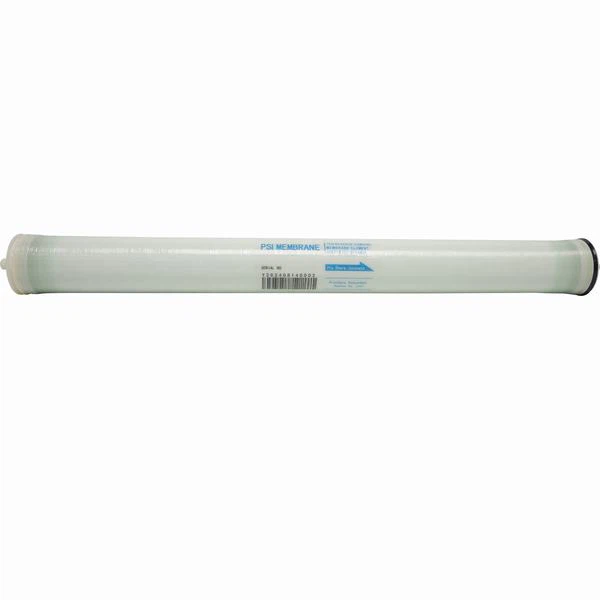
First off, what are NF membrane elements? Well, they're key players in the world of water treatment. Nanofiltration (NF) membranes are semi - permeable barriers that can separate different substances based on their molecular size and charge. They're used in a bunch of applications, from purifying drinking water to treating industrial wastewater. And as a supplier, I offer a range of great products like the Multilayer Composite Membrane NF8040 And 4040, NF98 Series Multilayer Composite Membrane, and Nanofiltration Membrane Element 8040 And 4040.
Now, let's talk about organic matter. Organic matter is all around us, and it can find its way into water sources in many forms. It can be natural, like humic acids, proteins, and carbohydrates from decaying plants and animals. Or it can be man - made, such as pesticides, pharmaceuticals, and industrial chemicals. When this organic matter comes into contact with NF membrane elements, it can cause several issues.
One of the most common problems is fouling. Fouling happens when organic matter sticks to the surface of the membrane or clogs its pores. This forms a layer on the membrane, which acts like a barrier and makes it harder for water to pass through. As a result, the flux, or the rate at which water flows through the membrane, decreases. You might notice that your system isn't producing as much clean water as it used to, and you'll have to work harder to maintain the same level of output.
Fouling also increases the pressure drop across the membrane. To keep the water flowing at the desired rate, you'll need to increase the pressure on the feed side of the membrane. This not only consumes more energy but also puts extra stress on the membrane itself. Over time, this can lead to physical damage to the membrane, reducing its lifespan.
Another issue is that organic matter can react with the membrane material. Some organic compounds are chemically reactive and can cause degradation of the membrane. For example, certain oxidizing organic substances can break down the polymer chains in the membrane, weakening its structure. This can lead to a loss of selectivity, meaning the membrane is no longer able to separate substances as effectively as it should. You might start to see more contaminants in the permeate (the clean water that passes through the membrane), which defeats the purpose of using the membrane in the first place.

Moreover, organic matter can serve as a food source for microorganisms. When bacteria, fungi, or algae find a cozy home on the membrane surface with a steady supply of organic nutrients, they form biofilms. Biofilms are a slimy layer of microorganisms and their extracellular polymeric substances (EPS). These biofilms can cause severe fouling and can be very difficult to remove. They can also lead to microbiologically influenced corrosion (MIC), which further damages the membrane and other components of the water treatment system.
But it's not all doom and gloom. There are ways to deal with the impact of organic matter on NF membrane elements. Pretreatment is crucial. By removing or reducing the amount of organic matter before it reaches the membrane, you can significantly extend the membrane's lifespan and improve its performance. Common pretreatment methods include coagulation, flocculation, sedimentation, and filtration. These processes can help to remove large particles and some dissolved organic matter.
Another approach is to use membrane cleaning. Regular cleaning can help to remove the fouling layer and restore the membrane's performance. There are different types of cleaning agents and methods, such as chemical cleaning with acids or alkalis, and physical cleaning like backwashing or air scouring. However, it's important to choose the right cleaning method and chemicals to avoid damaging the membrane.
As a supplier, I understand the challenges that come with dealing with organic matter in NF membrane systems. That's why I'm committed to providing high - quality membrane elements that are more resistant to fouling and degradation. My products are designed with advanced materials and manufacturing techniques to ensure long - term performance, even in the presence of organic matter.
If you're in the market for NF membrane elements or need advice on dealing with organic matter in your water treatment system, don't hesitate to reach out. I'm here to help you make the right choice and ensure that your system runs smoothly. Whether you're looking for the Multilayer Composite Membrane NF8040 And 4040, NF98 Series Multilayer Composite Membrane, or Nanofiltration Membrane Element 8040 And 4040, I've got you covered. Let's have a chat and see how we can work together to solve your water treatment needs.
References
- Schäfer, A. I., Fane, A. G., & Waite, T. D. (2005). Membrane Bioreactors for Wastewater Treatment. Elsevier.
- Nghiem, L. D., Schäfer, A. I., Elimelech, M., & Waite, T. D. (2006). Fouling in nanofiltration membranes: mechanisms, mitigation strategies, and opportunities. Journal of Membrane Science, 281(1 - 2), 1 - 21.
- Amy, G., & Drewes, J. E. (2013). Nanofiltration and Reverse Osmosis: Principles and Applications. IWA Publishing.
Send Inquiry