


How effective is UV water purification?
Jul 22, 2025
Leave a message
UV water purification has been a hot topic in the water treatment industry for quite some time. As a water purification supplier, I've had my fair share of experiences and insights into how effective this method really is. So, let's dive right in and take a closer look at UV water purification.
How UV Water Purification Works
First things first, let's understand the basics. UV water purification uses ultraviolet light to disinfect water. The UV light, specifically in the 200 - 280 nanometer range, damages the DNA and RNA of microorganisms like bacteria, viruses, and protozoa. When their genetic material is disrupted, these pathogens can't reproduce or cause harm. It's like hitting the "reset" button on their ability to make you sick.
The process is pretty straightforward. Water flows through a chamber where it's exposed to UV light. The intensity of the light and the exposure time are crucial factors. If the light is strong enough and the water is in the chamber long enough, most of the harmful microorganisms will be neutralized.
Effectiveness Against Microorganisms
One of the biggest advantages of UV water purification is its effectiveness against a wide range of microorganisms. It can kill or inactivate bacteria such as E. coli, Salmonella, and Legionella. These are some pretty nasty bugs that can cause serious health issues, from diarrhea to pneumonia.
Viruses are also no match for UV light. Hepatitis A, norovirus, and rotavirus, which can spread through contaminated water, can be effectively neutralized. Protozoa like Giardia and Cryptosporidium, which are tough to remove with traditional filtration methods, can also be rendered harmless by UV treatment.
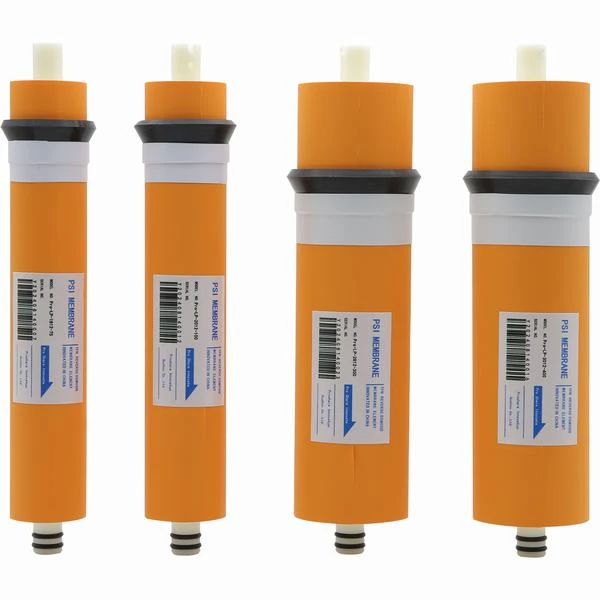
However, it's important to note that UV water purification doesn't remove other contaminants like chemicals, heavy metals, or sediment. For that, you'll need additional filtration methods. That's where products like the Residential RO Membrane 3012 and Domestic Reverse Osmosis Membrane 1812 come in handy. These reverse osmosis membranes can remove a wide range of contaminants, including dissolved solids, salts, and heavy metals.
Factors Affecting Effectiveness
While UV water purification is generally effective, there are several factors that can affect its performance. One of the most important is water quality. If the water is cloudy or has a high level of sediment, the UV light may not penetrate effectively. The sediment can act as a shield, protecting the microorganisms from the light. That's why it's often recommended to pre - filter the water before UV treatment.
The intensity of the UV lamp also plays a key role. Over time, the lamp's output can decrease, reducing its effectiveness. It's important to replace the lamp regularly, usually every 9 - 12 months, depending on the manufacturer's recommendations.
Another factor is the flow rate of the water. If the water is flowing too fast through the UV chamber, the microorganisms may not be exposed to the light for long enough. On the other hand, if the flow rate is too slow, it can lead to reduced efficiency and higher energy consumption.
Advantages of UV Water Purification
There are several advantages to using UV water purification. First of all, it's a chemical - free method. Unlike chlorine or other chemical disinfectants, UV light doesn't add any harmful chemicals to the water. This means there are no chemical by - products, and the taste and odor of the water are not affected.
It's also a relatively low - maintenance option. Once the system is installed, the main maintenance task is to replace the UV lamp periodically. There are no complex filters to clean or replace, which can save time and money in the long run.
UV water purification is also very fast. It can treat water in real - time, making it suitable for both residential and commercial applications. Whether you're running a small household or a large restaurant, a UV water purification system can provide a continuous supply of disinfected water.

Limitations of UV Water Purification
As mentioned earlier, UV water purification has its limitations. It only targets microorganisms and doesn't remove other contaminants. So, if your water has high levels of chemicals, heavy metals, or sediment, you'll need to combine it with other filtration methods.
Another limitation is that UV light doesn't provide residual protection. Once the water leaves the UV chamber, there's no ongoing disinfection. This means that if the water is re - contaminated after treatment, there's no mechanism to stop the growth of new microorganisms. In contrast, chemical disinfectants like chlorine can provide residual protection in the water distribution system.
Real - World Applications
UV water purification is widely used in various settings. In residential applications, it's often installed at the point - of - entry or point - of - use. A point - of - entry system treats all the water entering the house, while a point - of - use system is installed at specific faucets, like the kitchen sink.
In commercial settings, UV water purification is used in restaurants, hotels, and hospitals. In restaurants, it ensures that the water used for cooking and drinking is safe for customers. In hospitals, it's crucial for preventing the spread of water - borne diseases among patients.
Combining UV with Other Filtration Methods
To get the best of both worlds, many people choose to combine UV water purification with other filtration methods. For example, a multi - stage filtration system might include a sediment filter to remove large particles, a Domestic Reverse Osmosis Membrane to remove dissolved solids and heavy metals, and a UV unit to disinfect the water.
This combination can provide comprehensive water treatment, removing a wide range of contaminants and ensuring that the water is safe to drink.
Conclusion
In conclusion, UV water purification is a highly effective method for disinfecting water against microorganisms. It's chemical - free, low - maintenance, and fast. However, it has its limitations and is best used in combination with other filtration methods.
If you're in the market for a water purification solution, we can help you find the right combination of products for your specific needs. Whether you need a simple UV system for your home or a complex multi - stage filtration system for your business, we've got you covered. Contact us to start a conversation about your water purification requirements and let's work together to find the best solution for you.
References
- AWWA (American Water Works Association). "Ultraviolet Disinfection in Water Treatment."
- WHO (World Health Organization). "Guidelines for Drinking - Water Quality."
- NSF International. "Standards for Water Treatment Devices."
Send Inquiry