


How to clean RO membranes in a closed - loop system?
Jan 16, 2026
Leave a message
Reverse Osmosis (RO) membranes are at the heart of many water purification systems, especially in closed - loop systems where water is recycled and reused. Over time, these membranes can become fouled with various contaminants, which reduces their efficiency and lifespan. As a leading RO Membrane Cleaning supplier, I'm here to share some in - depth knowledge on how to clean RO membranes in a closed - loop system.
Understanding the Closed - Loop System and RO Membrane Fouling
In a closed - loop system, water circulates continuously through the RO membrane unit. This setup is common in industrial processes, large - scale water treatment plants, and even some advanced domestic water purification systems. The continuous recycling of water increases the likelihood of membrane fouling because contaminants that are not removed during the filtration process accumulate over time.
There are three main types of fouling that affect RO membranes: particulate fouling, organic fouling, and inorganic fouling. Particulate fouling occurs when suspended solids, such as sand, silt, or rust particles, accumulate on the membrane surface. Organic fouling is caused by the presence of natural organic matter (NOM), such as humic and fulvic acids, as well as microorganisms like bacteria and algae. Inorganic fouling results from the precipitation of minerals, such as calcium carbonate, calcium sulfate, and silica, on the membrane surface.
Pre - Cleaning Assessment
Before starting the cleaning process, it's crucial to conduct a thorough assessment of the RO membrane and the closed - loop system. This assessment helps to determine the type and extent of fouling, which in turn guides the selection of the appropriate cleaning chemicals and procedures.
First, collect data on the system's performance, including the feed water quality, permeate flow rate, and salt rejection rate. A significant decrease in the permeate flow rate or salt rejection rate compared to the system's normal operation is a clear indication of membrane fouling. Additionally, visually inspect the membrane for any signs of physical damage or excessive fouling.
Cleaning Chemicals Selection
Based on the results of the pre - cleaning assessment, select the appropriate cleaning chemicals. For particulate fouling, a low - pH cleaning solution containing an acid, such as citric acid or hydrochloric acid, can be effective in dissolving and removing the particulate matter. Organic fouling often requires a high - pH cleaning solution with a non - ionic surfactant and an oxidizing agent, such as sodium hypochlorite, to break down the organic matter. Inorganic fouling usually calls for a combination of acid and chelating agents to dissolve the mineral deposits.
It's important to note that the use of cleaning chemicals should be carefully controlled to avoid damaging the RO membrane. Always follow the manufacturer's recommendations for chemical concentrations, contact times, and temperature ranges.
Cleaning Procedures
Step 1: System Isolation
Before starting the cleaning process, isolate the RO membrane unit from the rest of the closed - loop system. This prevents the cleaning chemicals from entering other parts of the system and causing damage. Close all the valves that connect the RO unit to the feed water, permeate, and concentrate lines.
Step 2: Pre - Rinse
Flush the RO membrane with clean water to remove any loose particulate matter and reduce the initial fouling load. This pre - rinse step helps to prevent the particulate matter from being pushed deeper into the membrane pores during the cleaning process. Use a low - pressure water flow for about 15 - 20 minutes.

Step 3: Chemical Cleaning
Prepare the cleaning solution according to the selected cleaning chemicals and the manufacturer's instructions. Fill the cleaning tank with the appropriate volume of the cleaning solution and circulate it through the RO membrane unit at a controlled flow rate and temperature. The contact time between the cleaning solution and the membrane depends on the type and extent of fouling but typically ranges from 1 - 4 hours.
Monitor the pressure drop across the membrane during the chemical cleaning process. A significant increase in the pressure drop may indicate that the fouling is too severe or that the cleaning solution is not effective. In such cases, you may need to adjust the cleaning chemicals or the cleaning parameters.
Step 4: Post - Rinse
After the chemical cleaning is complete, thoroughly rinse the RO membrane with clean water to remove all traces of the cleaning chemicals. This post - rinse step is crucial to prevent any residual chemicals from affecting the water quality and the performance of the RO membrane. Continue the rinsing process until the pH and conductivity of the rinse water are within the acceptable range.
Step 5: System Restoration
Once the post - rinse is finished, reconnect the RO membrane unit to the closed - loop system. Gradually increase the feed water flow rate and pressure to the normal operating conditions. Monitor the system's performance closely for the first few hours to ensure that the cleaning process has been successful.
Maintenance and Monitoring
Regular maintenance and monitoring are essential to prevent future fouling and extend the lifespan of the RO membrane in a closed - loop system. Implement a preventive maintenance program that includes regular pre - filtration to remove particulate matter, proper water treatment to control the growth of microorganisms, and periodic chemical cleaning based on the system's operating conditions.
Monitor the system's performance parameters, such as the permeate flow rate, salt rejection rate, and pressure drop, on a regular basis. Any significant changes in these parameters may indicate the onset of fouling and should be addressed promptly.
Product Recommendations
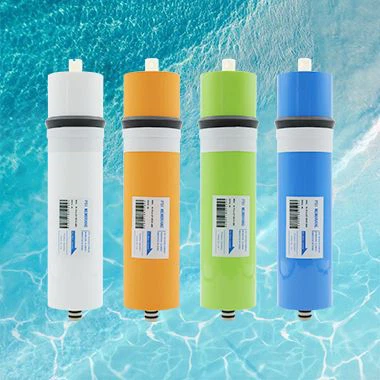
If you're in the market for high - quality RO membranes, we recommend checking out our Domestic Reverse Osmosis Membrane 1812, Best Domestic RO Membrane 3012, and Domestic Reverse Osmosis Membrane. These membranes are designed to provide excellent performance and durability in various water purification applications.
Conclusion
Cleaning RO membranes in a closed - loop system is a complex but essential process to maintain the efficiency and longevity of the water purification system. By following the steps outlined in this blog, you can effectively remove fouling from the RO membrane and restore its performance. As a trusted RO Membrane Cleaning supplier, we are committed to providing you with the best products and services to meet your water purification needs. If you have any questions or need further assistance with RO membrane cleaning or selection, please don't hesitate to contact us for procurement and in - depth discussions.
References
- Cheryan, M. (1998). Ultrafiltration and Microfiltration Handbook. Technomic Publishing Company.
- Baker, R. W. (2004). Membrane Technology and Applications. John Wiley & Sons.
- American Water Works Association. (2007). Water Quality and Treatment: A Handbook of Community Water Supplies. McGraw - Hill.
Send Inquiry