


How to manage the concentrate from a commercial RO membrane system?
Nov 19, 2025
Leave a message
Managing the concentrate from a commercial RO membrane system is a crucial aspect that often gets overlooked. As a commercial RO membrane supplier, I've seen firsthand the challenges and opportunities that come with handling this by - product. In this blog, I'll share some practical tips on how to manage the concentrate effectively.
Understanding the Concentrate
First off, let's understand what the concentrate is. When water goes through a reverse osmosis (RO) membrane system, it's split into two streams: the permeate (the clean water we want) and the concentrate. The concentrate contains all the impurities, salts, and contaminants that the RO membrane has filtered out.
The composition of the concentrate can vary widely depending on the source water. For example, if the source water is from a brackish well, the concentrate will have a high salt content. On the other hand, if it's from a surface water source, it might contain more organic matter and suspended solids.
Why Proper Management Matters
Proper management of the concentrate is essential for several reasons. For one, discharging the concentrate directly into the environment without treatment can have a negative impact. High - salt concentrates can contaminate soil and groundwater, harming plants and aquatic life.
Secondly, from a business perspective, inefficient concentrate management can lead to increased operational costs. If you're constantly paying for expensive disposal methods or dealing with equipment damage due to improper handling, it's going to eat into your profits.
Strategies for Concentrate Management
1. Reuse and Recycling
One of the best ways to manage the concentrate is to find ways to reuse it. Depending on its quality, the concentrate can be used for non - potable purposes. For example, it can be used for industrial processes like cooling water in a manufacturing plant.
If the concentrate has a relatively low level of contaminants, it can also be used for irrigation. However, you need to be careful about the salt content, as high - salt water can damage plants. Before using it for irrigation, it's a good idea to test the water and consult with an agricultural expert.

Another option is to recycle the concentrate within the RO system itself. By using advanced membrane technologies or other separation processes, you can further treat the concentrate to recover more clean water. This not only reduces the volume of concentrate that needs to be disposed of but also increases the overall water recovery rate of the RO system.
2. Treatment and Disposal
If reuse isn't an option, then treatment and proper disposal are the next steps. There are several treatment methods available, depending on the nature of the concentrate.
For concentrates with high salt content, evaporation ponds can be a cost - effective solution. The water in the concentrate evaporates, leaving behind the salts and other solids. However, this method requires a large amount of land and is only suitable in areas with low rainfall and high evaporation rates.
For more complex concentrates, advanced treatment technologies like electrodialysis or ion exchange can be used. These methods can remove specific contaminants from the concentrate, making it safer for disposal.
When it comes to disposal, it's important to comply with local regulations. Some areas allow for the discharge of treated concentrate into surface waters, while others require deep - well injection or hauling to a permitted disposal facility.
3. Monitoring and Optimization
Regular monitoring of the concentrate is crucial for effective management. You should keep track of parameters such as pH, conductivity, and the concentration of specific contaminants. This data can help you identify any changes in the concentrate quality and adjust your management strategies accordingly.
Optimizing the RO system itself can also reduce the volume and complexity of the concentrate. For example, adjusting the operating pressure and flow rate can improve the membrane's performance, resulting in a lower - volume concentrate with a higher concentration of contaminants. This can make subsequent treatment and disposal easier.
Our Products and Their Role in Concentrate Management
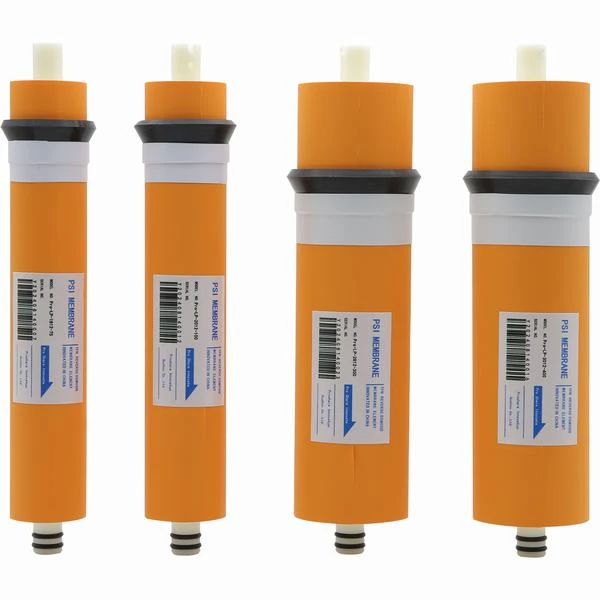
As a commercial RO membrane supplier, we offer a range of high - quality membranes that can help in better concentrate management. Our Domestic RO Membrane Element 2812 and Best Domestic RO Membrane 3012 are designed to have high rejection rates, which means they can effectively remove more contaminants from the feed water. This results in a cleaner permeate and a more concentrated but smaller - volume concentrate.
Our Domestic Reverse Osmosis Membrane is also engineered to be more durable and resistant to fouling. This reduces the need for frequent membrane cleaning, which in turn can reduce the amount of waste generated during the cleaning process.
Conclusion
Managing the concentrate from a commercial RO membrane system is a complex but necessary task. By understanding the nature of the concentrate, implementing effective management strategies, and using high - quality RO membranes, you can not only protect the environment but also save on operational costs.
If you're interested in learning more about our RO membranes and how they can help you with concentrate management, or if you're looking to purchase our products, feel free to reach out. We're here to help you find the best solutions for your specific needs.
References
- Crittenden, J. C., Trussell, R. R., Hand, D. W., Howe, K. J., & Tchobanoglous, G. (2012). MWH's Water Treatment: Principles and Design. John Wiley & Sons.
- Greenlee, L. F., Lawler, D. F., Freeman, B. D., Marrot, B., & Moulin, P. (2009). Reverse osmosis desalination: Water sources, technology, and today's challenges. Water Research, 43(9), 2317 - 2348.
Send Inquiry