


How to store a Commercial RO Membrane?
Oct 16, 2025
Leave a message
As a supplier of Commercial RO Membranes, I understand the significance of proper storage for these essential water treatment components. A well - stored RO membrane not only maintains its performance but also extends its lifespan, ensuring that our customers get the most out of their investment. In this blog, I'll share some key guidelines on how to store a Commercial RO Membrane effectively.
Pre - storage Preparation
Before storing a Commercial RO Membrane, it is crucial to perform a thorough cleaning. The membrane should be flushed with clean water to remove any loose particles, debris, or contaminants that may have accumulated during its use or transportation. This step is essential as these impurities can cause blockages or damage to the membrane structure over time. For instance, if sand or silt particles are left on the membrane surface, they can scratch the delicate membrane layer, leading to reduced filtration efficiency.
After flushing, it is recommended to disinfect the membrane. A suitable disinfectant can be used according to the manufacturer's instructions. Chlorine - based disinfectants are commonly used, but it's important to ensure that the concentration is within the specified range. Excessive chlorine can damage the membrane, while insufficient chlorine may not effectively eliminate harmful microorganisms. Once disinfected, the membrane should be rinsed again with clean water to remove any residual disinfectant.
Storage Conditions
Temperature
Temperature plays a vital role in the storage of Commercial RO Membranes. The ideal storage temperature range is typically between 5°C and 35°C. Temperatures below 5°C can cause the water inside the membrane to freeze, which can lead to physical damage to the membrane structure. When water freezes, it expands, and this expansion can rupture the membrane fibers, rendering the membrane useless. On the other hand, temperatures above 35°C can accelerate the degradation of the membrane material. High temperatures can cause chemical reactions within the membrane, breaking down its polymers and reducing its filtration performance.
Humidity
The storage environment should have a relatively stable humidity level. High humidity can promote the growth of mold and bacteria on the membrane surface. These microorganisms can not only clog the membrane pores but also secrete substances that can corrode the membrane material. A humidity level between 30% and 70% is generally considered suitable. To control humidity, dehumidifiers or humidifiers can be used in the storage area as needed.
Light
Commercial RO Membranes should be stored in a dark place. Exposure to direct sunlight or strong artificial light can cause photodegradation of the membrane material. Ultraviolet (UV) rays in sunlight can break the chemical bonds in the membrane polymers, leading to a decrease in membrane strength and filtration efficiency. Therefore, the storage area should be shielded from light, and if possible, the membranes should be stored in opaque containers.
Storage Packaging
Proper packaging is essential for protecting the Commercial RO Membrane during storage. The membrane should be placed in a sealed plastic bag or container to prevent the entry of dust, moisture, and other contaminants. The packaging material should be made of a material that is compatible with the membrane, such as polyethylene or polypropylene.
Inside the packaging, a wet storage solution can be added to keep the membrane moist. This solution usually contains a preservative to prevent the growth of microorganisms. The membrane should be completely submerged in the solution to ensure uniform protection. Some membranes come with specific wet storage solutions recommended by the manufacturer, and it's important to follow these recommendations.

Long - term Storage
For long - term storage of Commercial RO Membranes, additional precautions are necessary. If the membrane is not going to be used for more than six months, it may be necessary to replace the wet storage solution periodically. Over time, the preservative in the solution may lose its effectiveness, and new microorganisms may start to grow.
It's also a good idea to inspect the membrane regularly during long - term storage. Check for any signs of damage, such as cracks, discoloration, or the presence of mold. If any issues are detected, appropriate measures should be taken immediately, such as cleaning or replacing the membrane.
Storage of Unused Membranes
If you have newly purchased Commercial RO Membranes that are not going to be used right away, they should be stored following the same principles as used membranes. Keep them in their original packaging if possible, and store them in a suitable environment. This will ensure that they are in good condition when you are ready to install and use them.
Comparison with Domestic Reverse Osmosis Membranes
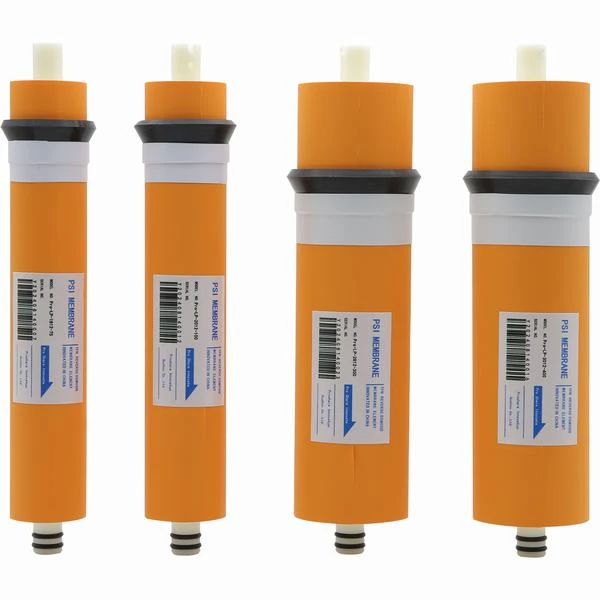
While the basic principles of storage are similar for Domestic Reverse Osmosis Membrane 2012 and Commercial RO Membranes, there are some differences. Domestic RO membranes are usually smaller in size and may be more sensitive to improper storage due to their relatively thin membrane structure. They may also require more frequent checks during storage as they are often used in home environments where the water quality can vary more widely. On the other hand, Commercial RO Membrane are designed for more heavy - duty applications and may have a more robust structure, but they still need to be stored properly to maintain their performance.
Conclusion
Proper storage of Commercial RO Membranes is essential for maintaining their quality and performance. By following the guidelines on pre - storage preparation, storage conditions, packaging, and long - term storage, you can ensure that your membranes are in good condition when you need them. Whether you are a water treatment plant operator, a commercial facility manager, or a distributor, taking care of your Commercial RO Membranes will save you time and money in the long run.
If you are interested in purchasing high - quality Commercial RO Membrane or need more information about membrane storage and usage, please feel free to contact us for further discussion. We are committed to providing you with the best products and services in the field of water treatment.
References
- Membrane Technology Handbook, edited by P. A. Wilderer and J. Winter.
- Manufacturer's manuals of various Commercial RO Membrane products.
- Research papers on the degradation and storage of reverse osmosis membranes in peer - reviewed journals.
Send Inquiry