


What are the safety standards for water purification systems?
Jul 16, 2025
Leave a message
As a dedicated water purification system supplier, I've spent years delving into the intricacies of what makes a water purification system safe and effective. In this blog post, I'll share the key safety standards that govern these systems, offering insights into the rigorous requirements that ensure the water we drink is clean and healthy.
Regulatory Frameworks
National and International Standards
Water purification systems are subject to a variety of national and international standards. In the United States, the Environmental Protection Agency (EPA) sets the standards for drinking water quality through the Safe Drinking Water Act (SDWA). This act establishes maximum contaminant levels (MCLs) for a wide range of substances, including microorganisms, disinfectants, disinfection by - products, inorganic chemicals, and organic chemicals.
Internationally, the World Health Organization (WHO) publishes the Guidelines for Drinking - Water Quality. These guidelines serve as a reference for countries to develop their own national standards. They cover aspects such as microbial safety, chemical safety, and radiological safety of drinking water. For example, the WHO guidelines recommend a maximum concentration of fluoride in drinking water to prevent dental fluorosis while still providing the benefits of fluoride for dental health.
Industry - Specific Standards
In addition to national and international regulations, there are industry - specific standards that water purification system manufacturers must adhere to. For instance, the NSF International (formerly the National Sanitation Foundation) is a well - known independent organization that sets standards for water treatment products. NSF/ANSI Standard 42 addresses aesthetic effects of water, such as taste, odor, and clarity. NSF/ANSI Standard 53 focuses on the reduction of health - related contaminants, including lead, cysts, and volatile organic compounds (VOCs).

Components and Materials Safety
Membrane Materials
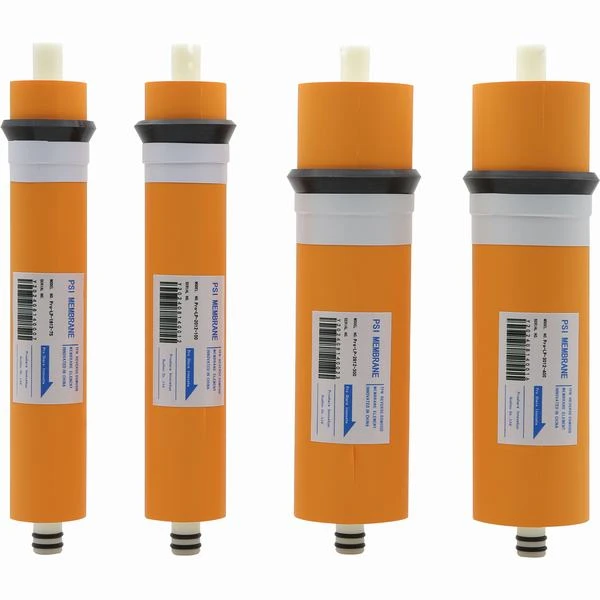
Reverse osmosis (RO) membranes are a crucial component of many water purification systems. The materials used in these membranes must be safe for contact with drinking water. Most RO membranes are made from thin - film composite (TFC) materials, which are typically polyamide - based. These materials are carefully selected and tested to ensure they do not leach harmful chemicals into the water.
For example, our company offers high - quality RO membranes like the Best Domestic RO Membrane 3012 and the Domestic Reverse Osmosis Membrane 1812. These membranes are designed to meet strict safety standards, providing efficient water purification while maintaining the integrity of the water quality. The Domestic Reverse Osmosis Membrane also undergoes rigorous testing to ensure it is free from contaminants and does not introduce any harmful substances into the treated water.
Other Components
Other components in a water purification system, such as filters, pipes, and valves, also need to meet safety standards. Filters should be made from materials that can effectively trap contaminants without shedding fibers or releasing harmful chemicals. Pipes and valves should be constructed from non - toxic materials that are resistant to corrosion and degradation. For example, food - grade plastics and stainless steel are commonly used for these components because they are safe for contact with drinking water.
Microbial and Chemical Contaminant Reduction
Microbial Safety
One of the primary goals of a water purification system is to remove or inactivate harmful microorganisms, such as bacteria, viruses, and protozoa. Systems are designed to achieve a high level of microbial reduction. For example, ultraviolet (UV) disinfection units are often used in water purification systems. These units use UV light to damage the DNA of microorganisms, preventing them from reproducing and rendering them harmless.
Filtration systems can also play a crucial role in microbial removal. Membrane filters with small pore sizes, such as ultrafiltration (UF) and nanofiltration (NF) membranes, can physically trap bacteria and some viruses. RO membranes are even more effective, as they can remove almost all microorganisms, including the smallest viruses.
Chemical Contaminant Reduction
Water purification systems must also be able to reduce the levels of chemical contaminants. These contaminants can include heavy metals (such as lead, mercury, and cadmium), pesticides, herbicides, and industrial chemicals. Activated carbon filters are commonly used to adsorb organic chemicals, such as pesticides and VOCs. Ion exchange resins can be used to remove heavy metals by exchanging the metal ions with other less harmful ions.
Monitoring and Maintenance Requirements
Regular Testing
To ensure the continued safety of a water purification system, regular testing is essential. This includes testing the source water, the treated water, and the performance of the purification system itself. Source water testing helps to identify the initial levels of contaminants, which can guide the selection and operation of the purification system. Treated water testing verifies that the system is effectively reducing contaminants to acceptable levels.
For example, a water purification system installed in a home should be tested for common contaminants at least once a year. In commercial or industrial settings, more frequent testing may be required, depending on the nature of the water source and the intended use of the treated water.
Maintenance and Replacement
Proper maintenance and timely replacement of components are also critical for the safety of water purification systems. Filters need to be replaced at regular intervals to maintain their effectiveness. For example, activated carbon filters may need to be replaced every 6 - 12 months, depending on the water quality and the usage of the system. RO membranes may have a lifespan of 2 - 3 years, after which they should be replaced to ensure optimal performance.
Conclusion
In conclusion, the safety standards for water purification systems are multi - faceted and comprehensive. They encompass regulatory requirements, component and material safety, contaminant reduction, and monitoring and maintenance. As a water purification system supplier, we are committed to ensuring that our products meet all relevant safety standards.
If you are in the market for a water purification system, whether for your home or business, we invite you to contact us for a detailed discussion. Our team of experts can help you select the right system based on your specific needs and water quality requirements. We look forward to the opportunity to work with you and provide you with a safe and reliable water purification solution.
References
- Environmental Protection Agency (EPA). Safe Drinking Water Act. Available at: https://www.epa.gov/sdwa
- World Health Organization (WHO). Guidelines for Drinking - Water Quality. Available at: https://www.who.int/publications/i/item/9789241549950
- NSF International. NSF/ANSI Standards for Water Treatment Products. Available at: https://www.nsf.org/standards/nsf - ansi - standards - for - water - treatment - products
Send Inquiry