


What features should I look for in an RO membrane for home?
Sep 03, 2025
Leave a message
Hey there! As a supplier of RO membranes for home use, I often get asked about what features one should look for when choosing an RO membrane. Well, I'm here to break it down for you in a way that's easy to understand.
1. Filtration Efficiency
The most important thing about an RO membrane is how well it can filter out impurities. You want a membrane that can remove a wide range of contaminants, including heavy metals like lead and mercury, chemicals such as chlorine and pesticides, and microorganisms like bacteria and viruses.
A high - quality RO membrane can achieve a rejection rate of over 95% for most common contaminants. For example, if your water has a high level of dissolved solids, a good membrane will reduce the amount of these solids in the purified water significantly. This means you'll get cleaner, safer water for drinking, cooking, and other household uses.
You can check the product specifications provided by the manufacturer to see the claimed rejection rates for different contaminants. Keep in mind that real - world performance might vary a bit depending on the water conditions in your area. If you're dealing with water that has a particularly high concentration of certain contaminants, you might need a membrane with a higher rejection rate for those specific substances.
2. Flow Rate
Another crucial feature is the flow rate of the RO membrane. The flow rate refers to how much purified water the membrane can produce in a given amount of time, usually measured in gallons per day (GPD).
For a typical household, a flow rate of around 50 - 75 GPD is usually sufficient. This will provide enough water for daily drinking, cooking, and making coffee or tea. However, if you have a large family or use a lot of water for other purposes like filling up a humidifier or an ice maker, you might want to consider a membrane with a higher flow rate, say 100 GPD or more.
A higher flow rate means you won't have to wait as long for your RO system to produce the water you need. But keep in mind that membranes with higher flow rates might also cost a bit more. So, you'll need to balance your water usage needs with your budget.
3. Durability
Nobody wants to replace their RO membrane every few months. That's why durability is an important factor to consider. A durable RO membrane will last longer, saving you money in the long run.
The durability of an RO membrane depends on several factors. The quality of the materials used in its construction is a major one. Membranes made from high - grade polymers are generally more resistant to wear and tear. They can also withstand a wider range of water conditions, such as variations in pH and temperature.
Another aspect of durability is how well the membrane can resist fouling. Fouling occurs when contaminants build up on the surface of the membrane, reducing its performance over time. Some membranes are designed with anti - fouling properties, which can help prevent this from happening. For example, they might have a smoother surface that makes it harder for particles to stick to it.
You can look for membranes that come with a warranty from the manufacturer. A longer warranty period is often a sign that the manufacturer has confidence in the durability of their product.
4. Pressure Requirements
RO membranes work by using pressure to force water through the membrane and separate the contaminants. Different membranes have different pressure requirements.
Most home RO systems operate at relatively low pressures, usually between 40 - 80 psi (pounds per square inch). A membrane that can work effectively within this pressure range is ideal for home use. If the pressure requirements of the membrane are too high, you might need to install a booster pump, which can add to the cost and complexity of your RO system.
On the other hand, if the membrane requires very low pressure, it might not be able to filter the water as effectively. So, it's important to choose a membrane that has a pressure requirement that matches the capabilities of your home water supply system.

5. Compatibility
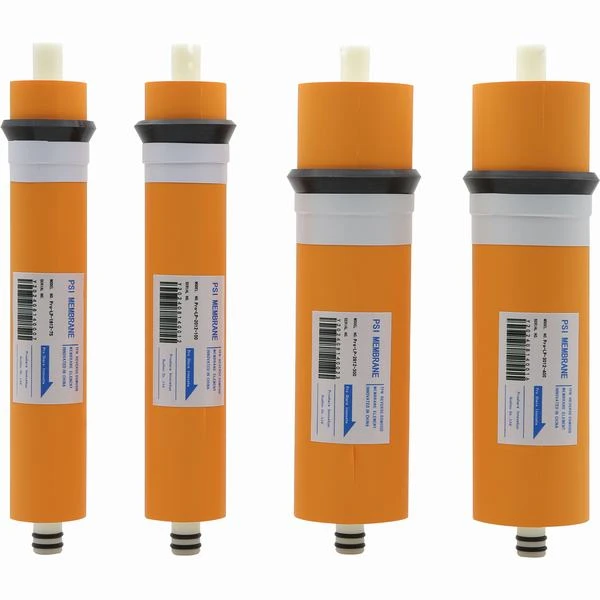
When choosing an RO membrane for your home, you need to make sure it's compatible with your existing RO system. Different RO systems have different sizes and configurations, and not all membranes will fit every system.
Check the specifications of your RO system to see the recommended membrane size and type. Most membranes are available in standard sizes, such as 1812, 2012, and 3013. Make sure you choose a membrane that has the right dimensions to fit your system properly.
Also, consider the compatibility of the membrane with the other components of your RO system, such as the pre - filters and post - filters. Some membranes are designed to work best with specific types of filters, so it's a good idea to use a complete system recommended by the manufacturer.
6. Cost
Cost is always a factor when making a purchase. RO membranes can vary in price depending on their features, brand, and quality.
In general, you can expect to pay more for a membrane with higher filtration efficiency, a higher flow rate, and better durability. However, it's important to look at the long - term cost rather than just the upfront price. A more expensive membrane might last longer and perform better, which can save you money in the long run by reducing the need for frequent replacements.
You can compare prices from different suppliers to find the best deal. But don't just go for the cheapest option. Make sure you're getting a good balance between cost and quality.
7. Maintenance Requirements
Finally, consider the maintenance requirements of the RO membrane. Some membranes are easier to maintain than others.
Regular maintenance of an RO membrane usually involves flushing it periodically to remove any built - up contaminants. Some membranes have self - cleaning features or require less frequent flushing, which can make your life a lot easier.
You'll also need to replace the pre - filters and post - filters in your RO system regularly to ensure the membrane works properly. Make sure you understand the maintenance schedule recommended by the manufacturer and are willing to follow it.
Now, if you're interested in learning more about our Domestic Reverse Osmosis Membrane, you can check out Domestic Reverse Osmosis Membrane. We also have information about our Domestic Reverse Osmosis Membrane Factory where we produce these high - quality membranes. And if you're in need of a commercial - grade option, take a look at our Commercial RO Membrane 3013.
If you're thinking about purchasing an RO membrane for your home, I'd love to have a chat with you. We can discuss your specific needs and help you choose the right membrane for your situation. Don't hesitate to reach out and start a conversation about your procurement needs.
References
- "Water Treatment Handbook" by various authors
- Manufacturer's product specifications and technical documents for RO membranes.
Send Inquiry