


What is the cost - effectiveness of a water purifier in the long run?
Oct 31, 2025
Leave a message
In today's world, access to clean and safe drinking water is a fundamental necessity. With increasing concerns about water quality, many individuals and businesses are turning to water purifiers to ensure that the water they consume is free from contaminants. As a water purifier supplier, I have witnessed firsthand the growing demand for these devices. In this blog post, I will explore the long - run cost - effectiveness of water purifiers, examining various factors that contribute to their overall value.
Initial Investment
The first aspect to consider when evaluating the cost - effectiveness of a water purifier is the initial investment. Water purifiers come in a wide range of types and prices, from simple pitcher - style filters to advanced whole - house filtration systems. The cost can vary significantly based on the technology used, the brand, and the capacity of the unit.
For example, basic countertop water filters can cost as little as $20 - $50. These are suitable for small households or individuals with relatively low water consumption. On the other hand, high - end reverse osmosis systems or whole - house filtration units can cost upwards of $1000. These systems are more complex, often featuring multiple stages of filtration and can provide clean water for an entire household or a commercial establishment.
While the upfront cost of a more expensive water purifier may seem daunting, it is important to consider the long - term benefits. A high - quality water purifier with advanced filtration technology, such as the NF 98 Nanofiltration Membrane Element, can remove a wider range of contaminants, including heavy metals, bacteria, and viruses. This not only ensures better water quality but also reduces the risk of water - borne diseases, which can lead to significant medical expenses in the long run.
Operating Costs
In addition to the initial purchase price, the operating costs of a water purifier are a crucial factor in determining its cost - effectiveness. Operating costs mainly include the cost of filter replacement, energy consumption, and water wastage (in the case of some filtration systems).
Filter replacement is a regular expense associated with water purifiers. The frequency of filter replacement depends on the type of filter and the quality of the incoming water. For instance, activated carbon filters in basic pitcher - style filters may need to be replaced every 2 - 3 months, while more advanced membrane filters in reverse osmosis systems can last up to 1 - 2 years.
The cost of filter replacement can vary. A set of replacement filters for a basic countertop filter may cost around $10 - $20, while replacement filters for a high - end whole - house system can cost $100 or more. However, some water purifiers, like those equipped with the Multilayer Composite Membrane NF8040 And 4040, are designed to be more durable and efficient, which can reduce the overall cost of filter replacement over time.
Energy consumption is another aspect of operating costs. Some water purifiers, such as electric - powered reverse osmosis systems, require electricity to operate. However, modern systems are designed to be energy - efficient, and the cost of electricity is usually relatively low. For example, a typical reverse osmosis system may consume around 1 - 2 kWh of electricity per day, which translates to a few dollars per month in most regions.
Water wastage is a concern for certain types of water purifiers, especially reverse osmosis systems. These systems typically produce a significant amount of wastewater during the filtration process. However, newer models are being developed with improved water efficiency, reducing the amount of water wasted. Some systems can achieve a water recovery rate of up to 50% or more, which means that for every liter of water used in the filtration process, up to half a liter is produced as clean drinking water.
Savings on Bottled Water
One of the most significant long - term savings associated with using a water purifier is the reduction in the purchase of bottled water. Bottled water is a convenient option, but it can be expensive over time. On average, a single bottle of water can cost anywhere from $1 - $3, depending on the brand and the size of the bottle.
For a family of four that consumes a few bottles of water per day, the cost of bottled water can add up quickly. In a year, a family could spend several hundred dollars or more on bottled water. By investing in a water purifier, they can produce their own clean drinking water at a fraction of the cost. The cost of the water used in the purification process is minimal, and the only significant expense is the initial purchase of the water purifier and the occasional filter replacement.
Moreover, using a water purifier is also more environmentally friendly than relying on bottled water. The production and disposal of plastic water bottles contribute to environmental pollution, and by reducing the demand for bottled water, we can help to reduce our carbon footprint.
Health Benefits and Cost Savings
The health benefits of using a water purifier cannot be overstated. Clean and safe drinking water is essential for maintaining good health. Water purifiers can remove harmful contaminants from water, such as lead, mercury, chlorine, and pesticides, which can have long - term health effects if consumed over time.
By providing clean water, water purifiers can help to prevent water - borne diseases, such as diarrhea, cholera, and hepatitis A. The cost of treating these diseases can be substantial, including medical expenses, lost work days, and the impact on overall quality of life. In the long run, the cost of preventing these diseases through the use of a water purifier is much lower than the cost of treating them.
For businesses, providing clean water to employees can also lead to increased productivity and reduced absenteeism. Employees who have access to clean drinking water are less likely to get sick, which means fewer days off work and a more efficient workforce.
Long - Term Durability and Reliability
The long - term durability and reliability of a water purifier are also important factors in determining its cost - effectiveness. A well - made water purifier can last for many years with proper maintenance. High - quality components, such as the NF Multilayer Composite Membrane 8040 And 4040, are designed to withstand the rigors of continuous use and provide consistent filtration performance.
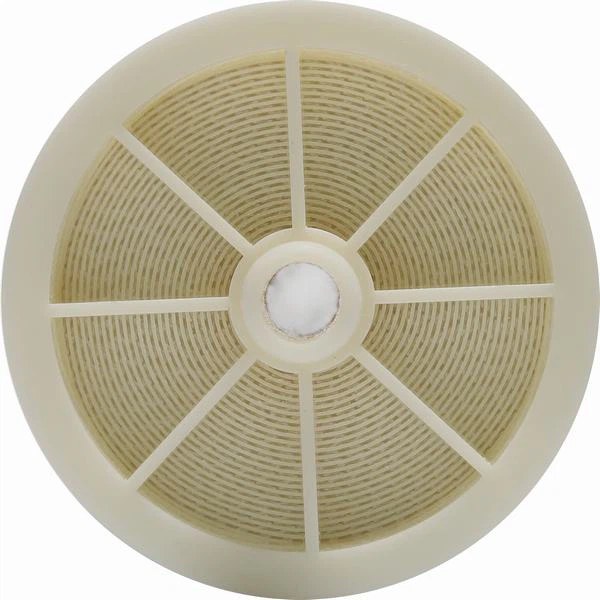

Regular maintenance, such as filter replacement and system cleaning, can help to extend the lifespan of a water purifier. By investing in a reliable water purifier, consumers can avoid the cost of frequent replacements and repairs, which can add up over time.
Conclusion
In conclusion, the long - run cost - effectiveness of a water purifier is evident when considering all the factors involved. While the initial investment may vary depending on the type of water purifier, the long - term savings on bottled water, the health benefits, and the relatively low operating costs make it a worthwhile investment.
As a water purifier supplier, I am committed to providing high - quality water purifiers that offer excellent cost - effectiveness. Our products are designed to be energy - efficient, durable, and capable of providing clean and safe drinking water for years to come.
If you are interested in learning more about our water purifiers or would like to discuss a potential purchase, please feel free to contact us. We are happy to provide you with detailed information and help you choose the right water purifier for your needs.
References
- "Water Filtration Technologies: A Review." Journal of Environmental Science and Health.
- "The Economic Impact of Water - borne Diseases." World Health Organization.
- "Energy Efficiency in Water Purification Systems." International Journal of Sustainable Energy.
Send Inquiry