


What is the filtration efficiency of domestic reverse osmosis membrane elements?
Dec 01, 2025
Leave a message
As a supplier of domestic and commercial reverse osmosis membrane elements, I often get asked about the filtration efficiency of domestic reverse osmosis membrane elements. In this blog post, I'll delve into the details of what filtration efficiency means, how it's measured, and what factors can affect it.
Understanding Filtration Efficiency
Filtration efficiency refers to the ability of a reverse osmosis (RO) membrane to remove contaminants from water. It is typically expressed as a percentage, indicating the proportion of a specific contaminant that the membrane can reject. For example, if a membrane has a 99% filtration efficiency for sodium chloride (NaCl), it means that 99% of the NaCl in the feed water will be removed by the membrane, and only 1% will pass through to the product water.
The filtration efficiency of RO membranes is crucial because it determines the quality of the water produced. Higher filtration efficiency means that more contaminants are removed, resulting in cleaner, safer, and better-tasting water. This is especially important for applications where water quality is critical, such as drinking water purification, medical and pharmaceutical production, and industrial processes that require high-purity water.
Measuring Filtration Efficiency
There are several ways to measure the filtration efficiency of RO membranes. One common method is to use the rejection rate, which is calculated by comparing the concentration of a contaminant in the feed water to the concentration in the product water. The formula for calculating the rejection rate is:
[ Rejection\ Rate (%) = \left(1 - \frac{C_p}{C_f}\right) \times 100 ]
Where ( C_p ) is the concentration of the contaminant in the product water and ( C_f ) is the concentration of the contaminant in the feed water.
Another important parameter is the permeate flow rate, which measures the volume of water that passes through the membrane per unit of time. A higher permeate flow rate indicates that the membrane is allowing more water to pass through, but it may also affect the filtration efficiency. In general, there is a trade-off between permeate flow rate and rejection rate: increasing the flow rate may reduce the rejection rate, as the water has less time to interact with the membrane and contaminants are more likely to pass through.
Factors Affecting Filtration Efficiency
Several factors can affect the filtration efficiency of domestic RO membrane elements. These include:
1. Membrane Material and Structure
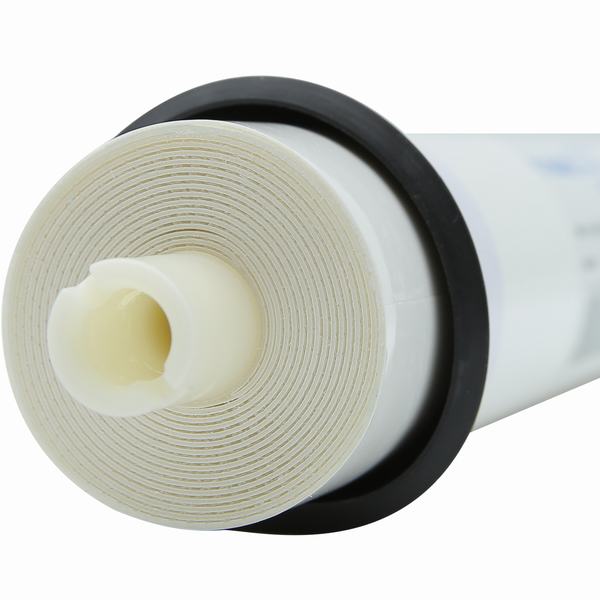
The material and structure of the RO membrane play a significant role in its filtration efficiency. Most domestic RO membranes are made of thin-film composite (TFC) materials, which consist of a thin polyamide layer supported by a porous substrate. The polyamide layer is responsible for the separation of contaminants from water, and its properties, such as pore size, surface charge, and chemical composition, can affect the membrane's ability to reject different types of contaminants.
For example, membranes with smaller pore sizes are generally more effective at rejecting smaller contaminants, such as dissolved salts and organic molecules. However, smaller pore sizes can also reduce the permeate flow rate, so membrane manufacturers need to find a balance between pore size and flow rate to optimize the membrane's performance.
2. Feed Water Quality
The quality of the feed water can also have a significant impact on the filtration efficiency of RO membranes. Water with high levels of suspended solids, colloids, or organic matter can foul the membrane surface, reducing its permeability and rejection rate. Additionally, the presence of certain contaminants, such as chlorine, can damage the membrane material and degrade its performance over time.
To protect the RO membrane and maintain its filtration efficiency, it is often necessary to pre-treat the feed water. Common pre-treatment methods include sediment filtration, activated carbon filtration, and anti-scalant dosing. These methods can remove or reduce the concentration of contaminants in the feed water, preventing membrane fouling and extending the membrane's lifespan.
3. Operating Conditions
The operating conditions of the RO system, such as pressure, temperature, and flow rate, can also affect the filtration efficiency of the membrane. Increasing the operating pressure can generally improve the rejection rate, as it forces more water through the membrane and increases the contact time between the water and the membrane surface. However, excessive pressure can also damage the membrane and reduce its lifespan.
Temperature can also have an impact on the membrane's performance. Generally, higher temperatures can increase the permeate flow rate, but they can also reduce the rejection rate. This is because the solubility of contaminants increases with temperature, making it more difficult for the membrane to reject them.
4. Membrane Age and Usage
Over time, the filtration efficiency of RO membranes can decline due to normal wear and tear. As the membrane is used, contaminants can accumulate on its surface and within its pores, reducing its permeability and rejection rate. Additionally, the membrane material can degrade over time, especially if it is exposed to harsh chemicals or operating conditions.
To maintain the filtration efficiency of RO membranes, it is important to follow the manufacturer's recommendations for membrane replacement. Regular maintenance, such as membrane cleaning and sanitization, can also help to extend the membrane's lifespan and improve its performance.
Filtration Efficiency of Our Domestic RO Membrane Elements
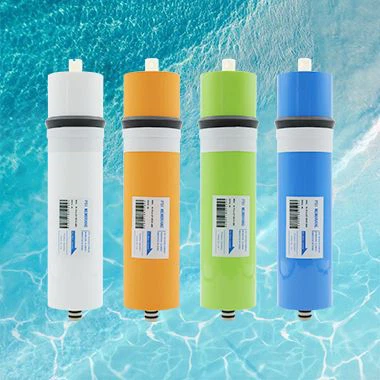
At our company, we offer a range of domestic RO membrane elements, including Domestic Reverse Osmosis Membrane 1812, Domestic Reverse Osmosis Membrane 2012, and Domestic Reverse Osmosis Membrane. These membranes are designed to provide high filtration efficiency and reliable performance for a variety of domestic applications.
Our membranes are made of high-quality TFC materials, which offer excellent rejection rates for a wide range of contaminants, including dissolved salts, heavy metals, organic compounds, and microorganisms. The membranes are also designed to have a high permeate flow rate, ensuring that you can get a sufficient supply of clean water for your daily needs.
In addition to their high filtration efficiency, our domestic RO membrane elements are easy to install and maintain. They are compatible with most domestic RO systems and come with detailed installation and operation instructions. We also offer technical support and after-sales service to ensure that you can get the most out of your RO membrane.
Conclusion
The filtration efficiency of domestic reverse osmosis membrane elements is a critical factor in determining the quality of the water produced. By understanding the factors that affect filtration efficiency and choosing a high-quality membrane, you can ensure that you have access to clean, safe, and great-tasting water.
If you are interested in learning more about our domestic RO membrane elements or would like to discuss your specific water treatment needs, please feel free to contact us. We are always happy to help you find the best solution for your application.
References
- Cheryan, M. (1998). Ultrafiltration and Microfiltration Handbook. Technomic Publishing.
- Mulder, M. (1996). Basic Principles of Membrane Technology. Kluwer Academic Publishers.
- Porter, M. C. (1997). Handbook of Industrial Membrane Technology. Noyes Publications.
Send Inquiry