


What is the fouling mechanism of nf membrane element?
Aug 19, 2026
Leave a message
Hey there! As a supplier of NF membrane elements, I've been getting a lot of questions about the fouling mechanism of these membranes. So, I thought I'd sit down and write a blog post to share what I know.
First off, let's talk about what NF membrane elements are. Nanofiltration (NF) membranes are a type of semi - permeable membrane that can separate different substances based on their molecular size and charge. They're used in a wide range of applications, from water treatment to food and beverage processing.
Now, onto the fouling mechanism. Fouling is a major issue when it comes to NF membrane elements. It can reduce the membrane's performance, increase energy consumption, and shorten its lifespan. There are several types of fouling that can occur, and I'll break them down for you.
1. Organic Fouling
Organic fouling happens when organic substances, like natural organic matter (NOM), proteins, and polysaccharides, accumulate on the membrane surface or inside its pores. NOM is a complex mixture of organic compounds found in natural waters, and it can be a real pain for NF membranes.
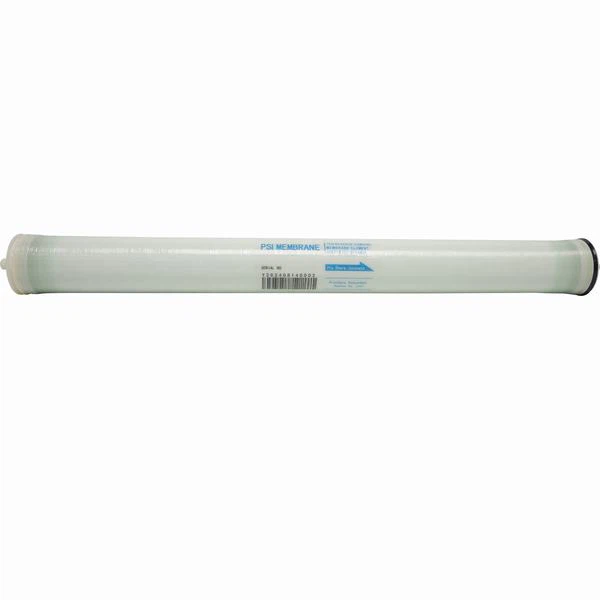
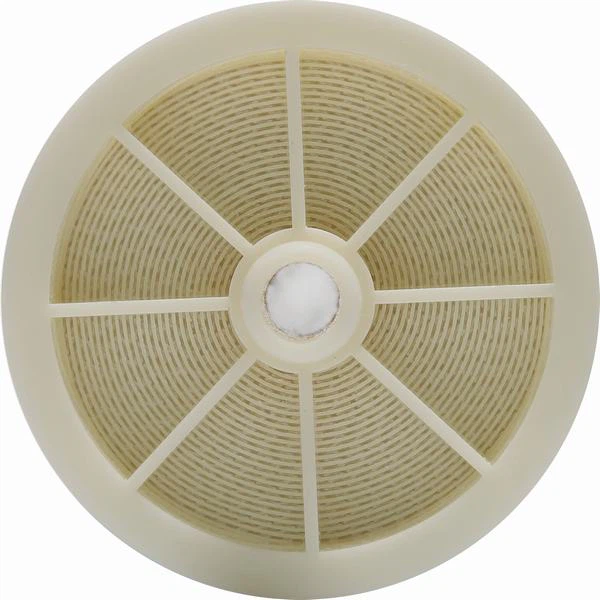
When these organic substances come into contact with the membrane, they can form a layer on the surface. This layer acts as a barrier, making it harder for water to pass through the membrane. The accumulation of organic matter can also cause blockages in the pores, further reducing the membrane's permeability.
For example, in water treatment plants that use NF membranes to treat surface water, NOM can be a significant source of fouling. The humic and fulvic acids in NOM can adsorb onto the membrane surface, leading to a decrease in flux over time.
2. Inorganic Fouling
Inorganic fouling is caused by the precipitation and deposition of inorganic salts on the membrane. Common inorganic foulants include calcium carbonate, calcium sulfate, and silica.
When the concentration of these salts in the feed water exceeds their solubility limit, they can precipitate out of solution and form scale on the membrane surface. This scale can be very hard and difficult to remove, and it can severely reduce the membrane's performance.
For instance, in industrial processes where water is used for cooling or as a solvent, the high concentration of dissolved salts can lead to inorganic fouling. If the water is not properly pre - treated to remove these salts, the NF membrane can quickly become fouled.
3. Colloidal Fouling
Colloidal fouling occurs when colloidal particles, such as clay, silt, and metal oxides, accumulate on the membrane. These particles are typically in the size range of 1 nm to 1 µm, and they can be very difficult to remove.
Colloidal particles can form a cake layer on the membrane surface, which increases the resistance to water flow. They can also plug the membrane pores, reducing the membrane's permeability. In water treatment applications, colloidal fouling is often a problem in surface water sources that contain high levels of suspended solids.
4. Biological Fouling
Biological fouling is caused by the growth of microorganisms, such as bacteria, fungi, and algae, on the membrane surface. These microorganisms can form a biofilm, which is a slimy layer of cells and extracellular polymeric substances (EPS).
The biofilm can act as a physical barrier, preventing water from passing through the membrane. It can also cause chemical changes in the membrane environment, leading to corrosion and degradation of the membrane material. In addition, the metabolic activities of the microorganisms can produce by - products that can further foul the membrane.
For example, in water treatment systems that operate at relatively low temperatures and high nutrient levels, biological fouling can be a significant issue. The biofilm can grow rapidly, and if not properly controlled, it can lead to a complete loss of membrane performance.
Factors Affecting Fouling
There are several factors that can affect the fouling mechanism of NF membrane elements.
- Feed Water Quality: The quality of the feed water is one of the most important factors. Water with high levels of organic matter, inorganic salts, colloidal particles, or microorganisms is more likely to cause fouling. For example, if the feed water has a high turbidity (due to colloidal particles), it can lead to rapid colloidal fouling.
- Membrane Properties: The properties of the membrane, such as its surface charge, pore size, and hydrophobicity, can also affect fouling. A membrane with a more hydrophilic surface is generally less prone to organic fouling because it is less likely to adsorb organic substances. Similarly, a membrane with a smaller pore size may be more susceptible to pore blockage by colloidal particles.
- Operating Conditions: Operating conditions, such as pressure, temperature, and flow rate, can have a significant impact on fouling. Higher pressures can increase the rate of fouling by forcing more foulants onto the membrane surface. Higher temperatures can promote the growth of microorganisms, leading to biological fouling. And a low flow rate can result in the accumulation of foulants on the membrane surface.
Preventing and Mitigating Fouling
As a supplier of NF membrane elements, I know how important it is to prevent and mitigate fouling. Here are some strategies that can be used:
- Pre - treatment: Pre - treating the feed water can remove many of the potential foulants before they reach the membrane. This can include processes such as filtration, coagulation, and disinfection. For example, using a multimedia filter to remove suspended solids and a UV disinfection system to kill microorganisms can significantly reduce the risk of fouling.
- Membrane Cleaning: Regular membrane cleaning is essential to maintain the performance of the NF membrane elements. There are different types of cleaning methods, including physical cleaning (such as backwashing) and chemical cleaning (using acids, bases, or detergents). The choice of cleaning method depends on the type of fouling.
- Optimizing Operating Conditions: By adjusting the operating conditions, such as pressure, temperature, and flow rate, the rate of fouling can be reduced. For example, operating at a lower pressure and a higher flow rate can help prevent the accumulation of foulants on the membrane surface.
At our company, we offer a range of high - quality NF membrane elements, such as the Multilayer Composite Membrane NF8040 And 4040, NF Multilayer Composite Membrane 8040 And 4040, NF 98 Nanofiltration Membrane Element, Nanofiltration Membrane Element 8040 And 4040, and Nanofiltration Membrane Element. These membranes are designed to resist fouling and provide long - term, reliable performance.
If you're in the market for NF membrane elements or have any questions about fouling prevention and mitigation, don't hesitate to reach out. We're here to help you find the best solution for your specific needs.
References
- Cheryan, M. Ultrafiltration Handbook. Technomic Publishing, 1986.
- Baker, R. W. Membrane Technology and Applications. John Wiley & Sons, 2004.
- Fane, A. G., & Fell, C. J. D. (Eds.). Membrane Separation Systems: Recent Developments and Future Directions. Elsevier, 1990.
Send Inquiry