


What is the operating pressure requirement for a commercial reverse osmosis membrane element?
Dec 05, 2025
Leave a message
In the world of water treatment, reverse osmosis (RO) technology stands out as a highly effective method for purifying water. As a leading supplier of domestic and commercial reverse osmosis membrane elements, I often receive inquiries about the operating pressure requirements for these crucial components. Understanding these requirements is essential for optimizing the performance and longevity of RO systems. In this blog post, I'll delve into the details of the operating pressure requirements for commercial reverse osmosis membrane elements, providing valuable insights for those in the water treatment industry.
Understanding Reverse Osmosis
Before we dive into the operating pressure requirements, let's briefly review how reverse osmosis works. Reverse osmosis is a water purification process that uses a semi - permeable membrane to remove ions, molecules, and larger particles from water. When pressure is applied to the concentrated side of the membrane, water is forced through the membrane, leaving behind contaminants. This process effectively produces high - quality, purified water.
Factors Affecting Operating Pressure
The operating pressure required for a commercial reverse osmosis membrane element is influenced by several factors:
Feed Water Quality
The quality of the feed water, including its total dissolved solids (TDS), temperature, and pH, plays a significant role in determining the operating pressure. Higher TDS levels in the feed water increase the osmotic pressure, which is the natural tendency of water to move from a low - concentration solution to a high - concentration solution. To overcome this osmotic pressure and force water through the membrane, a higher operating pressure is needed. For example, if the feed water has a high salt content, the membrane will require more pressure to achieve the desired water flux.
Membrane Type and Design
Different types of commercial reverse osmosis membranes have varying pressure requirements. Thin - film composite (TFC) membranes, which are widely used in commercial applications, generally require higher operating pressures compared to cellulose acetate membranes. Additionally, the design of the membrane, such as its surface area and pore size, can affect the pressure needed for water to pass through. A membrane with a smaller pore size may require more pressure to achieve the same flow rate as a membrane with a larger pore size.
Water Flux and Recovery Rate
The desired water flux, which is the volume of water that passes through the membrane per unit area per unit time, and the recovery rate, which is the percentage of feed water that is converted into product water, also impact the operating pressure. Higher water fluxes and recovery rates typically require higher operating pressures. If a system is designed to produce a large volume of purified water quickly or recover a high percentage of the feed water, the membrane will need to operate at a higher pressure.
Typical Operating Pressure Ranges
Commercial reverse osmosis membrane elements usually operate within a specific pressure range. In general, the operating pressure for commercial RO systems can range from 150 to 1000 psi (pounds per square inch).
Low - Pressure Systems
Some commercial applications, such as those with relatively low - TDS feed water or where energy efficiency is a priority, may use low - pressure RO membranes. These membranes can operate at pressures as low as 150 - 300 psi. Low - pressure systems are often used in applications where the feed water is already of relatively good quality, such as in some municipal water treatment plants or in industries where the water requirements are not extremely stringent.
Medium - Pressure Systems
Medium - pressure RO systems, which are more common in commercial applications, typically operate at pressures between 300 and 600 psi. These systems can handle a wider range of feed water qualities and are suitable for many industrial and commercial processes, including food and beverage production, pharmaceutical manufacturing, and power generation.
High - Pressure Systems
High - pressure RO systems are used in applications where the feed water has a very high TDS content, such as seawater desalination. These systems can operate at pressures up to 1000 psi or more. Seawater, which has a high salt concentration, requires a significant amount of pressure to overcome the osmotic pressure and produce fresh water.
Importance of Maintaining Proper Operating Pressure
Maintaining the proper operating pressure is crucial for the performance and longevity of commercial reverse osmosis membrane elements.
Optimal Performance
Operating the membrane at the correct pressure ensures that the system achieves the desired water flux and recovery rate. If the pressure is too low, the water production rate will be insufficient, and the system may not meet the demand for purified water. On the other hand, if the pressure is too high, it can cause damage to the membrane, leading to reduced performance and a shorter lifespan.
Membrane Longevity
Excessive pressure can cause physical damage to the membrane, such as membrane compaction or membrane rupture. Membrane compaction occurs when the high pressure squeezes the membrane material, reducing its pore size and water flux over time. Membrane rupture can lead to the passage of contaminants through the membrane, compromising the quality of the product water. By operating the membrane within the recommended pressure range, the risk of these types of damage can be minimized, extending the life of the membrane.
Selecting the Right Membrane for Your Application
As a supplier of domestic and commercial reverse osmosis membrane elements, I understand the importance of selecting the right membrane for your specific application. When choosing a membrane, it's essential to consider the feed water quality, the desired water flux and recovery rate, and the available operating pressure.
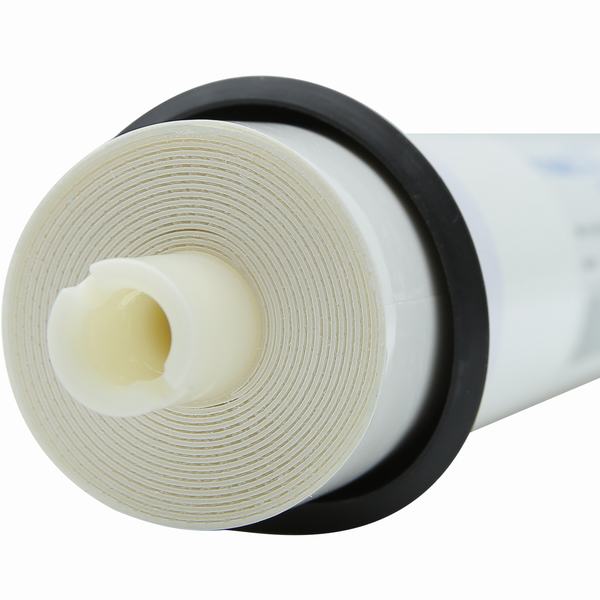
We offer a wide range of membranes to meet different application needs. For domestic applications, our Domestic Reverse Osmosis Membrane 2012 is designed to provide high - quality water purification at a relatively low operating pressure. This membrane is suitable for home water filtration systems and small - scale commercial applications.
For commercial applications, our Commercial RO Membrane is available in different pressure ratings to accommodate various feed water qualities and production requirements. Whether you need a low - pressure membrane for a water - efficient system or a high - pressure membrane for seawater desalination, we have the right solution for you.
Our Residential RO Membrane 3012 is also a popular choice for small - to - medium - sized commercial applications, offering a balance between performance and cost - effectiveness.

Contact Us for Your Reverse Osmosis Needs
If you're in the market for domestic or commercial reverse osmosis membrane elements, we're here to help. Our team of experts can assist you in selecting the right membrane for your application, providing guidance on operating pressure requirements, and ensuring that your RO system operates efficiently and effectively. Whether you're a water treatment plant operator, an industrial manufacturer, or a homeowner looking for a reliable water purification solution, we have the products and expertise to meet your needs. Contact us today to start a discussion about your reverse osmosis requirements and explore how our membrane elements can benefit your water treatment system.
References
- Cheryan, M. (1998). Ultrafiltration and Microfiltration Handbook. Technomic Publishing.
- McGhee, T. J. (2005). Water Supply and Sewerage. McGraw - Hill.
- Belfort, G., Davis, R. H., & Zydney, A. L. (1994). The behavior of suspensions and macromolecular solutions in crossflow microfiltration. Journal of Membrane Science, 96(1), 1 - 58.
Send Inquiry