


What is the relationship between RO membrane cleaning and energy consumption?
Dec 31, 2025
Leave a message
What is the relationship between RO membrane cleaning and energy consumption?
In the realm of water treatment, Reverse Osmosis (RO) membranes stand as a cornerstone technology, facilitating the purification of water for diverse applications, from domestic use to large - scale industrial processes. As an experienced RO Membrane Cleaning supplier, I have witnessed firsthand the intricate bond between RO membrane cleaning and energy consumption.
Understanding RO Membrane Basics
RO membranes operate on the principle of reverse osmosis, where pressure is applied to overcome the natural osmotic pressure, forcing water through a semi - permeable membrane while leaving behind contaminants. The efficiency of an RO system is highly dependent on the condition of the membrane. Over time, however, RO membranes are prone to fouling. Fouling occurs when contaminants such as salts, colloids, microorganisms, and organic matter accumulate on the membrane surface or within its pores.
This fouling has several negative consequences. Firstly, it reduces the membrane's permeability, which means that less water can pass through the membrane per unit of time. To maintain the desired water production rate, the system has to increase the operating pressure. This is where the relationship between membrane fouling, cleaning, and energy consumption becomes evident.
The Impact of Fouled RO Membranes on Energy Consumption
When an RO membrane is fouled, the resistance to water flow increases significantly. The RO system's pump must work harder to push water through the clogged membrane, which results in higher energy consumption. Studies have shown that a moderately fouled RO membrane can increase energy consumption by 15 - 30% compared to a clean membrane [1]. In a large - scale industrial water treatment plant, this increase in energy use can translate into substantial financial costs and a higher carbon footprint.
For instance, in a seawater desalination plant, which relies heavily on RO technology, a fouled membrane can cause the pumping system to operate at sub - optimal efficiency. The pumps need to generate higher pressure to achieve the same amount of desalinated water production. This not only consumes more electricity but also leads to increased wear and tear on the pumps, potentially shortening their lifespan and increasing maintenance costs.
Benefits of RO Membrane Cleaning in Reducing Energy Consumption
Regular cleaning of RO membranes is a crucial strategy to mitigate the effects of fouling and reduce energy consumption. By removing the accumulated contaminants from the membrane surface and pores, cleaning restores the membrane's permeability. When the membrane is clean, water can flow through it more easily, which means the system can operate at a lower pressure to achieve the same water production rate.
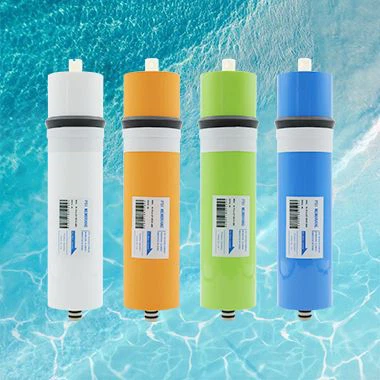
Let's take a domestic water purification system as an example. A Domestic Reverse Osmosis Membrane can become fouled over time due to the presence of minerals and other impurities in the water supply. If the membrane is not cleaned, the home RO system will require more energy to produce filtered water. By using appropriate cleaning methods, the membrane's performance can be restored, and the energy used by the system's pump can be reduced. This results in lower electricity bills for the homeowner and a more sustainable water purification solution.
Different Cleaning Approaches and Their Impact on Energy
There are several methods for cleaning RO membranes, each with its own impact on energy consumption.
Physical Cleaning Methods: Physical cleaning methods, such as backwashing, involve reversing the flow of water through the membrane to dislodge and flush out the accumulated contaminants. This method is relatively energy - efficient as it mainly uses the water already present in the system. However, it may not be sufficient for removing stubborn contaminants, especially those that have adhered strongly to the membrane surface.
Chemical Cleaning Methods: Chemical cleaning is often necessary when physical cleaning is not effective. Chemical cleaners are designed to dissolve or break down specific types of contaminants. While chemical cleaning can be highly effective in restoring membrane performance, it does have some energy - related implications. Heating the cleaning solution can enhance the cleaning effectiveness, but this requires additional energy. Also, the process of introducing and flushing out the chemical solution can increase the overall energy consumption of the cleaning process.
As an RO Membrane Cleaning supplier, we work with our clients to develop customized cleaning plans that balance the need for effective membrane cleaning with minimizing energy use. This involves choosing the most appropriate cleaning method based on the type and extent of membrane fouling.
Case Studies
In a commercial water treatment facility that used a Domestic Reverse Osmosis Membrane, energy costs were steadily increasing due to membrane fouling. After implementing a regular membrane cleaning schedule provided by our company, the facility saw a remarkable improvement. The energy consumption of the RO system decreased by 20% within the first three months of the new cleaning regime. This reduction in energy use not only saved the company a significant amount of money but also improved the overall efficiency of the water treatment process.
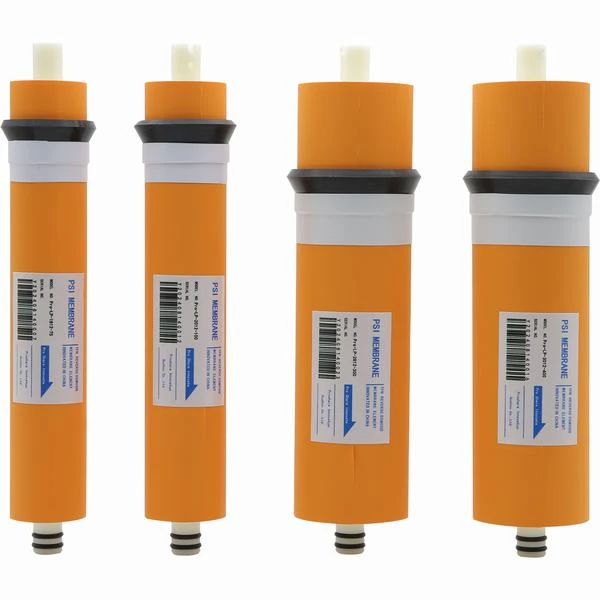
Another example is a residential complex using Domestic RO Membrane Element 2812 in their water purification systems. The complex management noticed that the water pressure was low, and the pumps were running continuously, indicating membrane fouling. After our team conducted a thorough cleaning of the membranes, the energy consumption of the pumps decreased, and the water pressure returned to normal levels.
Conclusion and Call to Action
The relationship between RO membrane cleaning and energy consumption is clear: regular and proper membrane cleaning can significantly reduce energy use in RO systems. As a trusted RO Membrane Cleaning supplier, we are committed to providing high - quality cleaning services and products that not only extend the life of your RO membranes but also help you save on energy costs.
If you're experiencing high energy consumption in your RO system, or if you're looking for preventive measures to keep your membranes in top condition, don't hesitate to reach out. We can offer tailored solutions based on your specific needs and the type of RO membranes you're using. Contact us today to start the conversation about optimizing your RO system's performance and reducing energy consumption.
References
[1] R. P. Schwarzenbeck, J. M. Lienhard V, H. Elimelech, "A review of reverse osmosis membrane materials for desalination—development to date and future potential", Desalination, 243, 1 – 21, 2009.
Send Inquiry