


Can a water purification system damage plumbing?
Nov 11, 2025
Leave a message
As a supplier in the water purification industry, I often encounter concerns from customers about the potential impact of water purification systems on plumbing. This is a valid worry, as plumbing is an essential part of any building's infrastructure, and damage to it can lead to costly repairs and disruptions. In this blog post, I'll explore whether a water purification system can damage plumbing and provide insights based on scientific knowledge and industry experience.
Understanding Water Purification Systems
Before delving into the potential impact on plumbing, it's important to understand the different types of water purification systems available. There are several common methods, including filtration, reverse osmosis, and distillation. Each method has its own mechanism for removing contaminants from water.
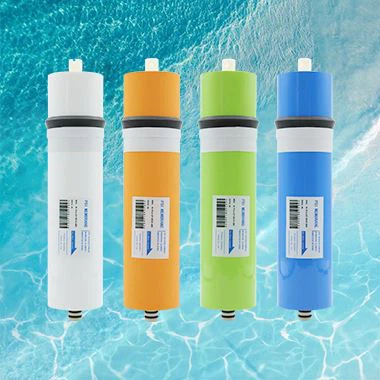
Filtration systems use physical barriers, such as activated carbon or ceramic filters, to trap impurities. These systems are effective at removing larger particles, sediment, and some chemicals. Reverse osmosis (RO) systems, on the other hand, use a semi - permeable membrane to remove a wide range of contaminants, including dissolved solids, heavy metals, and microorganisms. You can learn more about our Domestic Reverse Osmosis Membrane and Domestic Reverse Osmosis Membrane 2012 for residential applications. For commercial settings, our Commercial RO Membrane is a popular choice. Distillation involves boiling water and collecting the steam, leaving behind contaminants.
Potential Ways Water Purification Systems Could Damage Plumbing
1. pH Changes
One of the ways a water purification system could potentially affect plumbing is through changes in the pH of the water. Some purification processes, especially RO systems, can produce water with a lower pH. Acidic water has a higher concentration of hydrogen ions, which can be corrosive to certain types of plumbing materials.
Metals such as copper and iron are particularly susceptible to corrosion in acidic environments. Over time, the acid in the water can eat away at the inner walls of copper pipes, leading to pinhole leaks. Iron pipes can develop rust, which not only weakens the pipes but can also contaminate the water supply with iron particles.
However, it's important to note that most modern water purification systems are designed to address this issue. Many RO systems come with a remineralization stage, which adds minerals back to the water to raise the pH and make it less acidic. This helps to protect the plumbing from the harmful effects of low - pH water.
2. Mineral Deposits
On the other hand, some water purification systems can also cause problems related to mineral deposits. When water is purified, the balance of minerals in the water can change. For example, if a system removes too many minerals, the water may become more aggressive in trying to dissolve minerals from the plumbing.
Conversely, if the purification process doesn't remove enough dissolved solids, there is a risk of scale buildup. Scale is a hard, crusty deposit that forms when minerals such as calcium and magnesium precipitate out of the water. Scale can accumulate inside pipes, reducing the flow of water and increasing the pressure within the plumbing system. This increased pressure can put stress on the pipes and fittings, potentially leading to leaks or even pipe bursts.
3. Pressure Fluctuations
Water purification systems, especially those that use pumps, can cause pressure fluctuations in the plumbing. Pumps are often used to force water through filters or membranes at a sufficient pressure for effective purification. These pressure changes can be sudden and significant, which can put stress on the plumbing system.
If the plumbing is not designed to handle these pressure variations, it can lead to damage. For example, joints and connections may loosen over time due to the repeated stress, resulting in leaks. Additionally, high - pressure spikes can cause pipes to crack or burst, especially if they are already weakened by corrosion or age.

Factors That Mitigate the Risk of Plumbing Damage
1. Proper Installation
The way a water purification system is installed plays a crucial role in preventing plumbing damage. A professional installer will ensure that the system is correctly sized for the plumbing system and that all connections are secure. They will also take into account the existing plumbing materials and make any necessary adjustments to minimize the risk of corrosion or other issues.
For example, if the plumbing is made of copper, the installer may recommend using a water purification system with a built - in pH adjustment feature. They may also install pressure regulators to control the pressure within the system and prevent sudden spikes.
2. Regular Maintenance
Regular maintenance is essential for both the water purification system and the plumbing. Maintenance of the purification system includes replacing filters, membranes, and other components as recommended by the manufacturer. This helps to ensure that the system is operating efficiently and that the water quality remains stable.
For the plumbing, regular inspections can help detect early signs of damage, such as leaks or scale buildup. If problems are identified early, they can be addressed before they cause significant damage. For example, a small leak can be repaired quickly, preventing water from causing further damage to the surrounding area or weakening the pipes.
3. Compatibility of Materials
Choosing the right water purification system for the existing plumbing materials is crucial. Different plumbing materials have different levels of resistance to corrosion and other forms of damage. For example, plastic pipes such as PVC and PEX are generally more resistant to corrosion than metal pipes.
When selecting a water purification system, it's important to consider the type of plumbing in the building. If the plumbing is made of metal, a system with features to prevent corrosion, such as pH adjustment and remineralization, may be more suitable.
Conclusion
In conclusion, while a water purification system has the potential to damage plumbing under certain circumstances, these risks can be effectively managed. By understanding the potential issues, such as pH changes, mineral deposits, and pressure fluctuations, and taking appropriate measures, such as proper installation, regular maintenance, and choosing the right system for the plumbing materials, the benefits of water purification can be enjoyed without significant harm to the plumbing.
If you're considering installing a water purification system or have concerns about the impact on your plumbing, I encourage you to reach out to us. Our team of experts can provide you with detailed information and guidance on selecting the right system for your needs. We offer a wide range of high - quality water purification products, including the Domestic Reverse Osmosis Membrane, Domestic Reverse Osmosis Membrane 2012, and Commercial RO Membrane. Contact us to start a discussion about your water purification requirements and how we can help you protect your plumbing while enjoying clean, safe water.
References
- "The Chemistry of Water Treatment" by Water Treatment Association.
- "Plumbing Systems and Design" by ASPE (American Society of Plumbing Engineers).
- Manufacturer's manuals for water purification systems.
Send Inquiry