


How often should I replace the RO membrane for home?
Aug 07, 2025
Leave a message
Hey there! As a supplier of RO membranes for home use, I often get asked, "How often should I replace the RO membrane for home?" Well, it's not a one-size-fits-all answer, but I'm gonna break it down for you.
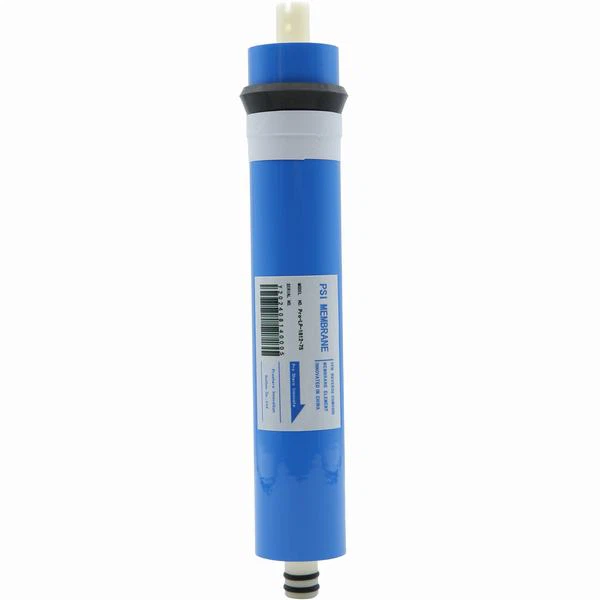
First off, let's understand what an RO membrane does. Reverse osmosis is a process that removes impurities from water by forcing it through a semi - permeable membrane. This membrane has tiny pores that allow water molecules to pass through while blocking larger molecules like salts, heavy metals, and other contaminants. Over time, these pores can get clogged, and the membrane's efficiency can decrease.

Factors Affecting RO Membrane Replacement Frequency
Water Quality
The quality of the water you're using is a major factor. If you're getting your water from a well, it might have higher levels of sediment, minerals, and organic matter compared to municipal water. For instance, well water in some areas can be high in iron or sulfur. These substances can coat the membrane and reduce its effectiveness. In such cases, you might need to replace the membrane more frequently, maybe every 1 - 2 years.
On the other hand, if your municipal water is relatively clean and has been pre - treated, the membrane could last longer, perhaps 2 - 3 years. You can get your water tested to determine its quality and get a better idea of how often to replace the membrane.
Water Usage
How much water your household uses also plays a role. If you have a large family with high water consumption, say you're constantly running the dishwasher, doing laundry, and everyone takes long showers, the RO membrane will be working harder. More water passing through the membrane means more contaminants are being filtered out, which can lead to faster clogging.
For a small family of 2 - 3 people who use water moderately, the membrane might last longer. But for a family of 5 or more with high water usage, you might want to consider replacing the membrane every 1.5 - 2 years.
Maintenance
Proper maintenance can significantly extend the life of your RO membrane. Regularly changing the pre - filters in your RO system is crucial. Pre - filters catch larger particles before they reach the membrane, reducing the load on it. If you neglect to change the pre - filters, the membrane will have to do more work and will wear out faster.
Also, make sure to follow the manufacturer's instructions for cleaning the RO system. Some systems can be backwashed to remove accumulated debris from the membrane. If you keep up with maintenance, you can stretch the replacement interval by a few months or even a year.
Signs That It's Time to Replace the RO Membrane
Reduced Water Flow
If you notice that the water flow from your RO system has slowed down, it could be a sign that the membrane is clogged. When the pores of the membrane are blocked, water has a harder time passing through, resulting in a reduced flow rate.
Poor Water Quality
Even though your RO system is supposed to remove impurities, if you start to taste or smell contaminants in the water, it's a red flag. This could mean that the membrane is no longer effectively filtering out the unwanted substances. You might also notice an increase in the TDS (Total Dissolved Solids) level of the water. You can use a TDS meter to check the water quality. If the TDS level is higher than normal, it's likely time to replace the membrane.
Increased Pressure
An increase in the pressure within the RO system can indicate a problem with the membrane. As the membrane gets clogged, the system has to work harder to force water through it, leading to higher pressure. If you have a pressure gauge on your RO system, keep an eye on it. A significant increase in pressure could mean it's time for a new membrane.
Our RO Membrane Products
We offer a range of high - quality RO membranes for home use. Our Domestic Reverse Osmosis Membrane 1812 is a popular choice for small - to medium - sized households. It's designed to provide efficient filtration and has a relatively long lifespan when properly maintained.
For larger households or commercial applications, we have the Commercial RO Membrane. This membrane is built to handle higher volumes of water and more demanding filtration requirements.
And of course, we also have the Domestic Reverse Osmosis Membrane, which is suitable for a wide range of home applications. It offers a good balance between performance and cost.
Conclusion
So, to sum it up, the frequency of replacing your home RO membrane depends on water quality, water usage, and maintenance. On average, it could be anywhere from 1 - 3 years. Keep an eye out for signs like reduced water flow, poor water quality, and increased pressure.
If you're in the market for a new RO membrane or have any questions about our products, feel free to reach out. We're here to help you make the right choice for your home's water filtration needs. Whether you need a membrane for a small apartment or a large family home, we've got you covered. Let's get your water tasting clean and fresh again!
References
- "Reverse Osmosis Systems: A Homeowner's Guide" by the Water Quality Association
- Manufacturer's manuals for RO membrane systems
Send Inquiry