


How to prevent chemical damage to domestic reverse osmosis membrane elements?
Jul 22, 2025
Leave a message
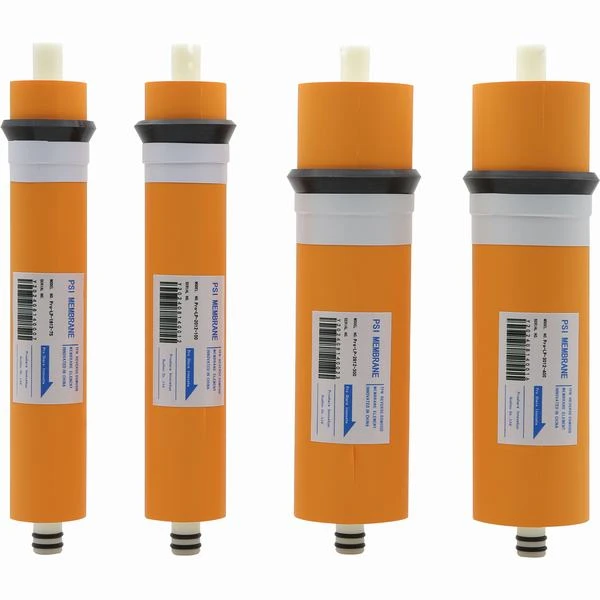
Hey there! As a supplier of domestic and commercial reverse osmosis membrane elements, I've seen firsthand how chemical damage can mess up these little wonders. Reverse osmosis membranes are super important for getting clean water, whether it's in your home or a commercial setting. But chemicals can really take a toll on them. So, let's talk about how to prevent chemical damage to domestic reverse osmosis membrane elements.
First off, let's understand what we're dealing with. Reverse osmosis membranes work by filtering out all kinds of impurities from water. They're like tiny sieves that only let water molecules through while blocking salts, bacteria, and other contaminants. But chemicals can break down the membrane material, making it less effective or even useless.
One of the main culprits of chemical damage is chlorine. Chlorine is commonly used to disinfect water, but it can be really harsh on reverse osmosis membranes. When chlorine comes into contact with the membrane, it can react with the polymer material and break its chemical bonds. This leads to a decrease in the membrane's rejection rate, which means more contaminants can pass through.
So, how do we deal with chlorine? Well, the simplest way is to use a pre - filter. A good activated carbon pre - filter can remove chlorine from the water before it reaches the reverse osmosis membrane. Activated carbon has a large surface area with lots of tiny pores that can adsorb chlorine molecules. It's like a sponge that soaks up the chlorine, keeping the membrane safe. You can find some great Domestic Reverse Osmosis Membrane systems that come with built - in activated carbon pre - filters.
Another chemical that can cause problems is pH. Reverse osmosis membranes usually work best within a certain pH range. If the pH of the feed water is too high or too low, it can cause the membrane to swell or shrink. This can change the pore size of the membrane and affect its performance. For most cellulose acetate membranes, the optimal pH range is around 4 - 6, while for thin - film composite membranes, it's usually between 2 - 11.
To control the pH of the feed water, you can use pH adjusters. If the water is too acidic, you can add a base like sodium hydroxide to raise the pH. If it's too basic, you can add an acid like hydrochloric acid to lower it. But be careful when using these chemicals. You need to measure the pH accurately and add the right amount of adjuster. Otherwise, you might end up causing more harm than good.
In addition to chlorine and pH, there are also other chemicals like heavy metals and oxidants that can damage the membrane. Heavy metals such as iron, manganese, and copper can form deposits on the membrane surface. These deposits can block the pores of the membrane and reduce its water flow rate. Oxidants like hydrogen peroxide can also react with the membrane material and cause degradation.

To prevent heavy metal deposition, you can use a water softener or a metal chelating agent. A water softener can remove calcium and magnesium ions, which are the main causes of hard water. Hard water can sometimes carry heavy metals along with it. Metal chelating agents can bind to heavy metal ions and prevent them from depositing on the membrane.
When it comes to oxidants, similar to chlorine, you can use an activated carbon pre - filter to remove them. Some advanced pre - filters are designed specifically to target oxidants and can do a great job of protecting the membrane.
Now, let's talk about cleaning and maintenance. Even if you take all the preventive measures, over time, some chemicals might still accumulate on the membrane. That's why regular cleaning is important. But you need to use the right cleaning chemicals. Harsh chemicals can damage the membrane, so it's best to use cleaning solutions that are specifically formulated for reverse osmosis membranes.
There are two types of cleaning: physical cleaning and chemical cleaning. Physical cleaning involves flushing the membrane with clean water to remove loose particles. Chemical cleaning is used to remove more stubborn deposits. You should follow the manufacturer's instructions when performing chemical cleaning. Usually, you'll need to soak the membrane in a cleaning solution for a certain period of time and then rinse it thoroughly.
In a commercial setting, things can get a bit more complicated. Commercial RO Membrane systems often handle larger volumes of water and may be exposed to a wider range of chemicals. But the basic principles of prevention are the same. You still need to control the quality of the feed water and perform regular maintenance.
For commercial systems, it's also a good idea to have a monitoring system in place. This can help you detect any changes in the membrane's performance early on. For example, you can monitor the water flow rate, the rejection rate, and the pressure drop across the membrane. If you notice any significant changes, you can take action before the damage becomes too severe.
In conclusion, preventing chemical damage to domestic reverse osmosis membrane elements is all about being proactive. You need to control the quality of the feed water by removing harmful chemicals like chlorine and adjusting the pH. Regular cleaning and maintenance are also crucial to keep the membrane in good condition.
If you're in the market for high - quality Domestic Reverse Osmosis Membrane or commercial reverse osmosis membrane elements, we've got you covered. Our membranes are designed to be durable and resistant to chemical damage. We offer a wide range of products to suit different needs and budgets. If you're interested in learning more or making a purchase, don't hesitate to reach out. We're here to help you get the best water filtration solution for your home or business.
References
- "Reverse Osmosis Membrane Technology" by John Wiley & Sons
- "Water Treatment Handbook" by Veolia Water Technologies
Send Inquiry