


What are the differences between a commercial and a home RO membrane?
Sep 26, 2025
Leave a message
Hey there! As a supplier of RO Membrane for Home, I often get asked about the differences between commercial and home RO membranes. So, I thought I'd break it down for you in this blog post.
Size and Capacity
One of the most obvious differences between commercial and home RO membranes is their size and capacity. Commercial RO membranes are designed to handle large volumes of water. They're often used in industries, hotels, and other big - scale operations where a high flow rate of purified water is needed. These membranes can be quite large, with diameters ranging from 4 inches to 8 inches or even more.
On the other hand, home RO membranes are much smaller. They're built to meet the water purification needs of a single household. The most common sizes for home RO membranes are 1812, 2012, and 2540. For example, the Domestic Reverse Osmosis Membrane 1812 is a popular choice for small - to - medium - sized homes. It's compact and can provide enough purified water for daily household use like drinking, cooking, and washing.
The capacity of a membrane is measured in gallons per day (GPD). Commercial RO membranes can have capacities ranging from 1,000 GPD to over 10,000 GPD. In contrast, home RO membranes usually have capacities between 50 GPD and 400 GPD. This difference in capacity is directly related to the intended use. A commercial establishment needs a large amount of purified water to keep up with its operations, while a home only requires a relatively small amount.
Filtration Efficiency
Both commercial and home RO membranes work on the principle of reverse osmosis to remove impurities from water. However, the filtration requirements and efficiency can vary.
Commercial RO membranes often need to deal with water that has a higher concentration of contaminants. Industrial water sources can contain heavy metals, chemicals, and high levels of dissolved solids. To meet strict quality standards, commercial RO membranes are designed to have a very high rejection rate. They can remove up to 99% or more of contaminants such as salts, bacteria, and viruses.

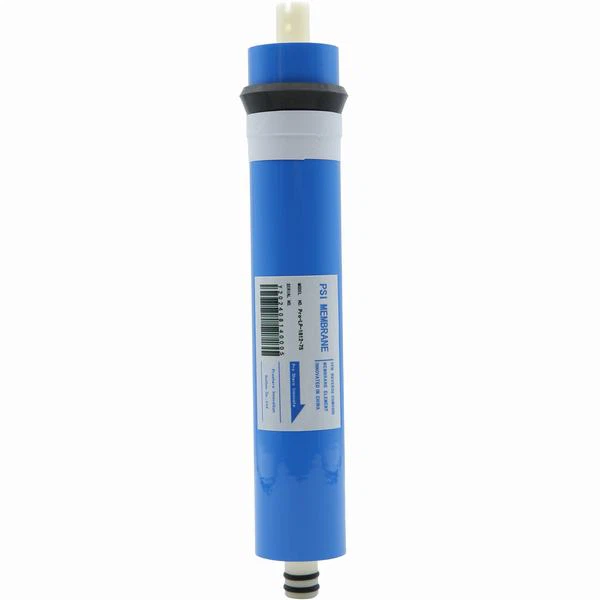
Home RO membranes also have good filtration capabilities, but the water they treat usually comes from municipal supplies, which are already pre - treated to some extent. So, while they can still remove a significant amount of impurities like chlorine, lead, and fluoride, the rejection rate might not need to be as extreme as that of commercial membranes. Nevertheless, a high - quality Domestic Reverse Osmosis Membrane can provide safe and clean drinking water for your family.
Pressure Requirements
Another difference lies in the pressure requirements. Commercial RO systems typically operate at higher pressures. Since they need to process large volumes of water quickly, they require more force to push the water through the membrane. The operating pressure for commercial RO membranes can range from 200 to 1,000 psi (pounds per square inch).
Home RO systems, on the other hand, are designed to work with the normal water pressure in a household, which is usually between 40 and 80 psi. This makes them more user - friendly and easier to install. You don't need to install additional high - pressure pumps to make the home RO membrane work effectively.
Durability and Lifespan
Commercial RO membranes are built to withstand heavy use. They're made from more robust materials and are designed to operate continuously for long periods. In a commercial setting, downtime can be costly, so these membranes need to have a long lifespan and be able to handle the wear and tear of constant operation. With proper maintenance, a commercial RO membrane can last anywhere from 3 to 5 years.
Home RO membranes, while still durable, are not subject to the same level of continuous use. They usually have a lifespan of about 2 to 3 years. However, this can vary depending on factors such as the quality of the incoming water, frequency of use, and how well the system is maintained.
Cost
Cost is also a significant factor when comparing commercial and home RO membranes. Commercial RO membranes are generally more expensive. This is due to their larger size, higher capacity, and the advanced technology required to meet the strict industrial standards. The cost of a commercial RO membrane can range from several hundred dollars to thousands of dollars.
Home RO membranes are much more affordable. You can find a good - quality home RO membrane for as little as $20 to $100. This makes them accessible to most households looking to improve their water quality. If you're interested in our Domestic Reverse Osmosis Membrane, we offer a range of options at competitive prices.
Ease of Installation and Maintenance
Installing a commercial RO membrane is a complex process that usually requires professional help. The large size and high - pressure requirements mean that the system needs to be carefully set up and calibrated. Maintenance also involves regular monitoring of water quality, pressure, and membrane performance. Specialized equipment and trained technicians are often needed for proper maintenance.
In contrast, home RO membranes are designed for easy installation. Many home RO systems come with detailed instructions, and you can usually install them yourself with just a few basic tools. Maintenance is also relatively simple. You just need to replace the pre - filters regularly and check the membrane's performance from time to time.
Conclusion
In summary, commercial and home RO membranes have several key differences in size, capacity, filtration efficiency, pressure requirements, durability, cost, and ease of installation and maintenance. As a supplier of home RO membranes, I understand the importance of providing high - quality products that meet the specific needs of households.
If you're interested in improving your home's water quality, our range of Domestic Reverse Osmosis Membrane is a great choice. We offer reliable products at affordable prices. If you have any questions or want to discuss your specific requirements, feel free to reach out. We're here to help you make the right decision for your home.
References
- Water Treatment Handbook, Various Authors
- Reverse Osmosis Technology: Principles and Applications, Industry Research Publications
Send Inquiry