


What are the impacts of cleaning on the membrane's pore size distribution?
Sep 29, 2025
Leave a message
Hey there! As a supplier of RO membrane cleaning services, I've seen firsthand the importance of keeping these membranes in tip - top shape. One of the key aspects that often gets overlooked is how cleaning impacts the membrane's pore size distribution. Let's dive right into it!
Understanding RO Membranes
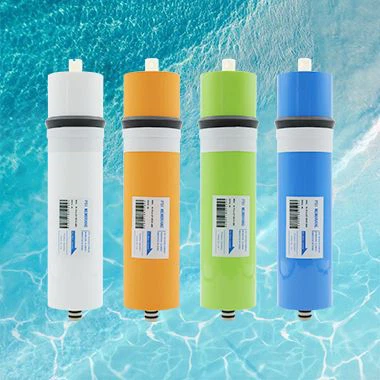
First off, for those who might not be super familiar, RO (Reverse Osmosis) membranes are a crucial part of water purification systems. There are different types, like the Commercial RO Membrane used in big - scale operations and the Domestic Reverse Osmosis Membrane 1812 and Domestic Reverse Osmosis Membrane for home use. These membranes work by allowing water molecules to pass through while blocking out contaminants. The pore size of the membrane is what determines what can and can't get through.
How Contamination Affects Pore Size Distribution
Over time, RO membranes get dirty. They're constantly exposed to all sorts of stuff in the water, like minerals, bacteria, and organic matter. When these contaminants build up on the membrane surface, they can clog the pores. This clogging doesn't just reduce the flow of water through the membrane; it also changes the pore size distribution.
Some pores might get completely blocked, while others might get partially blocked, making them smaller. This uneven blockage means that the membrane's performance starts to decline. Water production goes down, and the quality of the purified water might not be as good as it used to be. For example, if the pores are too clogged, larger contaminants that should be blocked might start sneaking through.
The Role of Cleaning in Restoring Pore Size Distribution
This is where our cleaning services come in. The goal of cleaning an RO membrane is to remove the contaminants and restore the membrane's original pore size distribution as much as possible.
We use different cleaning methods depending on the type and level of contamination. Chemical cleaning is one of the most common methods. We use special cleaning agents that are designed to break down and dissolve the contaminants. For example, acids can be used to remove mineral deposits, while alkaline cleaners are great for getting rid of organic matter.
When we clean the membrane, we're essentially unclogging the pores. As the contaminants are removed, the pores start to open up again. This restores the normal flow of water through the membrane and improves its overall performance.
But it's not always that simple. Sometimes, the contaminants have been on the membrane for so long that they've caused irreversible damage. In some cases, the chemicals used in cleaning can also have an impact on the membrane if not used correctly.
Positive Impacts of Cleaning on Pore Size Distribution
When the cleaning is done right, there are some great positive impacts on the pore size distribution. First of all, the average pore size gets closer to the original design. This means that the membrane can do its job more efficiently. Water can flow through at a better rate, and the membrane can more effectively block out contaminants.
The uniformity of the pore size distribution also improves. Instead of having a mix of completely blocked, partially blocked, and normal pores, the pores become more evenly sized. This leads to a more consistent water purification process. You'll notice that the water production rate is more stable, and the quality of the purified water is more reliable.
Another positive impact is that the lifespan of the membrane can be extended. By keeping the pores clean and maintaining the right pore size distribution, the membrane doesn't have to work as hard. This reduces the wear and tear on the membrane, meaning you won't have to replace it as often.
Negative Impacts and How to Avoid Them
However, there can also be negative impacts if the cleaning is not done properly. One of the main issues is over - cleaning. Using too much of a cleaning chemical or cleaning too frequently can damage the membrane. The chemicals can break down the membrane material, which can lead to an increase in pore size.

If the pores get too big, the membrane won't be able to block out contaminants effectively. You might end up with purified water that still contains a lot of impurities. To avoid this, we always follow strict cleaning protocols. We test the water and the membrane to determine the right type and amount of cleaning agent to use.
Another potential negative impact is incomplete cleaning. If not all the contaminants are removed, some pores might still be clogged. This can lead to a continued decline in membrane performance. To prevent this, we use advanced cleaning techniques and equipment to make sure we get into every nook and cranny of the membrane.
Monitoring Pore Size Distribution After Cleaning
After we clean the membrane, we don't just walk away. We monitor the pore size distribution to make sure everything is back to normal. We use specialized equipment to measure the pore size and check the distribution. This helps us confirm that the cleaning was successful and that the membrane is performing as it should.
If we notice any issues, we can take corrective action right away. Maybe we need to do a second round of cleaning or adjust the cleaning process for future use.
Why You Should Choose Our RO Membrane Cleaning Services
As a professional RO membrane cleaning supplier, we have the experience and expertise to handle all types of RO membranes. We know how important it is to maintain the right pore size distribution for optimal performance.
Our team is trained to use the latest cleaning techniques and equipment. We're also constantly researching and developing new ways to improve our cleaning processes. When you choose our services, you can be confident that your RO membrane will be cleaned safely and effectively.
We offer customized cleaning solutions based on your specific needs. Whether you have a commercial RO membrane or a domestic one, we can provide the right cleaning plan for you. And we're not just about cleaning; we also offer advice on how to maintain your membrane between cleanings to keep it in the best possible condition.
Let's Talk!
If you're facing issues with your RO membrane's performance or just want to make sure it's in top shape, don't hesitate to reach out. We're here to help you get the most out of your RO membrane. Contact us to discuss your requirements and start a partnership that will keep your water purification system running smoothly.
References
- Cheryan, M. (1998). Ultrafiltration and Microfiltration Handbook. Technomic Publishing.
- Greenlee, L. F., Lawler, D. F., Freeman, B. D., Marrot, B., & Moulin, P. (2009). Reverse osmosis desalination: Water sources, technology, and today's challenges. Water Research, 43(9), 2317 - 2348.
- Porter, M. C. (1990). Handbook of Industrial Membrane Technology. Noyes Publications.
Send Inquiry