


Can RO membrane cleaning be carried out in a cold environment?
May 22, 2026
Leave a message
As a seasoned supplier of RO membrane cleaning services, I've encountered numerous inquiries regarding the feasibility of RO membrane cleaning in cold environments. This topic is not only relevant but also crucial for industries and households relying on reverse osmosis systems, especially in regions with frigid climates. In this blog, I'll delve into the science behind RO membrane cleaning in cold conditions, the challenges it presents, and the best practices to ensure effective cleaning.
The Science of RO Membrane Cleaning
Reverse osmosis (RO) is a water purification process that uses a semi - permeable membrane to remove ions, molecules, and larger particles from water. Over time, these contaminants accumulate on the membrane surface, reducing its efficiency and water production capacity. Cleaning the RO membrane is essential to restore its performance and extend its lifespan.
The cleaning process typically involves using chemical solutions to dissolve and remove the fouling agents. The effectiveness of these cleaning solutions depends on various factors, including temperature. In general, chemical reactions occur more slowly at lower temperatures. This is because the kinetic energy of the molecules is reduced, and the rate of diffusion of the cleaning agents through the fouling layer is slower.
Challenges of RO Membrane Cleaning in Cold Environments
- Reduced Chemical Reactivity: As mentioned earlier, cold temperatures slow down chemical reactions. This means that the cleaning agents may take longer to break down the fouling materials on the RO membrane. For example, if you're using an acid - based cleaner to remove inorganic scale, the reaction between the acid and the scale will be less efficient in cold conditions.
- Viscosity Changes: Cold temperatures increase the viscosity of the cleaning solutions. Higher viscosity can impede the flow of the cleaning solution through the membrane module, making it difficult to reach all areas of the membrane and ensuring thorough cleaning.
- Membrane Brittleness: RO membranes can become more brittle in cold environments. This increases the risk of damage during the cleaning process, especially if the cleaning solution is forced through the membrane at high pressures.
Solutions and Best Practices
- Pre - heating the Cleaning Solution: One effective way to overcome the challenges of cold temperatures is to pre - heat the cleaning solution. By raising the temperature of the solution, you can increase the chemical reactivity and reduce its viscosity. However, it's important to ensure that the temperature does not exceed the maximum operating temperature of the RO membrane.
- Extended Cleaning Time: Since the chemical reactions are slower in cold conditions, it may be necessary to extend the cleaning time. This allows the cleaning agents more time to dissolve and remove the fouling materials.
- Gentle Cleaning Procedures: To avoid damaging the brittle membrane in cold environments, use gentle cleaning procedures. This may include reducing the pressure of the cleaning solution and using a lower flow rate.
Impact on Different Types of RO Membranes
- Domestic Reverse Osmosis Membrane: These membranes are commonly used in household water purification systems. In cold environments, the reduced efficiency of cleaning can lead to a decrease in water quality and an increase in the frequency of membrane replacement.
- Domestic RO Membrane Element 2812: This specific type of domestic membrane may be more sensitive to cold temperatures due to its design and materials. Special care should be taken during cleaning to ensure its longevity.
- Commercial RO Membrane: Commercial RO membranes are used in large - scale water treatment plants. The challenges of cleaning in cold environments can have a significant impact on the overall efficiency and cost - effectiveness of these systems.
Case Studies
Let's take a look at a real - world example. A water treatment plant in a cold region was experiencing a decline in the performance of its RO membranes. The plant initially followed the standard cleaning procedures but noticed that the membranes were not being cleaned effectively. After analyzing the situation, they realized that the cold temperatures were affecting the cleaning process.
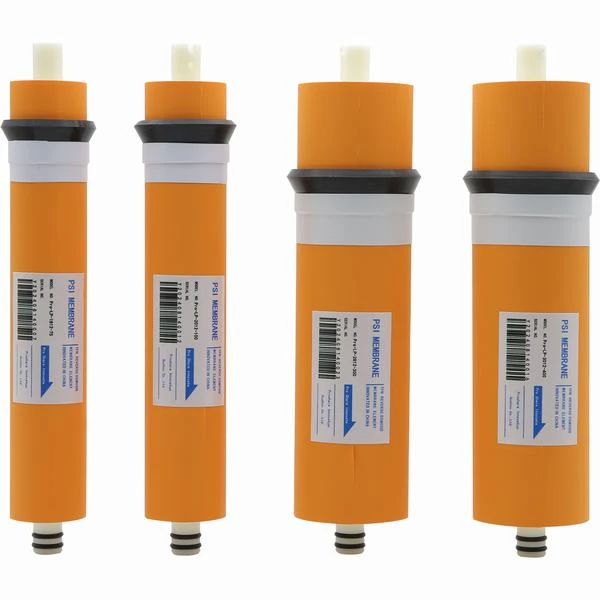

They decided to pre - heat the cleaning solution to around 30°C and extended the cleaning time by 50%. As a result, the performance of the RO membranes improved significantly, and the frequency of membrane replacement was reduced.
Conclusion
RO membrane cleaning in cold environments is indeed possible, but it comes with its own set of challenges. By understanding the science behind the cleaning process and implementing the appropriate solutions, such as pre - heating the cleaning solution and extending the cleaning time, it is possible to achieve effective cleaning and maintain the performance of the RO membranes.
If you're facing challenges with RO membrane cleaning in cold environments or are looking for high - quality RO membrane cleaning services, we're here to help. Our team of experts has extensive experience in dealing with various RO membrane cleaning scenarios, including those in cold climates. We can provide customized solutions to meet your specific needs and ensure the optimal performance of your RO system. Contact us to discuss your requirements and explore how we can assist you in maintaining your RO membranes.
References
- Cheryan, M. (1998). Ultrafiltration and Microfiltration Handbook. Technomic Publishing.
- Porter, M. C. (1990). Competitive Advantage: Creating and Sustaining Superior Performance. Free Press.
- Strathmann, H. (2010). Synthetic Membranes: Science, Engineering and Applications. Springer.
Send Inquiry