


What types of fouling can affect RO membranes?
Jul 03, 2026
Leave a message
Reverse Osmosis (RO) membranes are at the heart of many water purification systems, offering a reliable way to remove contaminants and produce high-quality water. However, these membranes are susceptible to fouling, which can significantly reduce their performance and lifespan. As a leading RO Membrane Cleaning supplier, we understand the various types of fouling that can affect RO membranes and are equipped to provide effective solutions. In this blog, we will explore the different types of fouling and how they can impact your RO system.
1. Inorganic Fouling
Inorganic fouling is one of the most common types of fouling that affects RO membranes. It occurs when inorganic substances such as calcium carbonate, calcium sulfate, barium sulfate, and silica precipitate on the membrane surface. These substances can form hard scales that block the pores of the membrane, reducing water permeability and increasing the pressure required to operate the system.
Calcium Carbonate Fouling
Calcium carbonate is a common scale-forming compound in water. It can precipitate on the membrane surface when the water is supersaturated with calcium and carbonate ions. This can happen when the water is heated, the pH is increased, or the concentration of calcium and carbonate ions is high. Calcium carbonate fouling can be identified by the presence of a white, chalky deposit on the membrane surface.
Calcium Sulfate and Barium Sulfate Fouling
Calcium sulfate and barium sulfate are also common scale-forming compounds in water. They can precipitate on the membrane surface when the water is supersaturated with calcium and sulfate ions or barium and sulfate ions. These compounds are more difficult to remove than calcium carbonate because they are less soluble in water. Calcium sulfate and barium sulfate fouling can be identified by the presence of a hard, white or gray deposit on the membrane surface.
Silica Fouling
Silica is a common component of many natural waters. It can precipitate on the membrane surface when the water is supersaturated with silica. Silica fouling is particularly problematic because it is difficult to remove once it has formed. It can cause a significant decrease in water permeability and increase the pressure required to operate the system. Silica fouling can be identified by the presence of a hard, glassy deposit on the membrane surface.
2. Organic Fouling
Organic fouling occurs when organic substances such as natural organic matter (NOM), humic acids, fulvic acids, and proteins adsorb onto the membrane surface. These substances can form a gel-like layer that blocks the pores of the membrane, reducing water permeability and increasing the pressure required to operate the system.
Natural Organic Matter (NOM) Fouling
NOM is a complex mixture of organic compounds that are present in natural waters. It can include humic acids, fulvic acids, and other organic substances. NOM fouling is a common problem in RO systems that use surface water as a feed source. The presence of NOM can cause a decrease in water permeability, an increase in the pressure required to operate the system, and an increase in the frequency of membrane cleaning.
Protein Fouling
Proteins are another common source of organic fouling in RO systems. They can be present in water from a variety of sources, including wastewater, industrial effluents, and biological processes. Protein fouling can cause a significant decrease in water permeability and increase the pressure required to operate the system. It can also lead to the growth of bacteria on the membrane surface, which can further exacerbate the fouling problem.
3. Biological Fouling
Biological fouling, also known as biofouling, occurs when microorganisms such as bacteria, fungi, and algae grow on the membrane surface. These microorganisms can form a biofilm, which is a layer of extracellular polymeric substances (EPS) that protects the microorganisms from environmental stresses and allows them to adhere to the membrane surface. Biofouling can cause a significant decrease in water permeability, an increase in the pressure required to operate the system, and an increase in the frequency of membrane cleaning.
Bacterial Fouling
Bacteria are the most common microorganisms that cause biofouling in RO systems. They can grow on the membrane surface under a wide range of conditions, including low nutrient levels, low temperatures, and high pressures. Bacterial fouling can cause a decrease in water permeability, an increase in the pressure required to operate the system, and an increase in the frequency of membrane cleaning. It can also lead to the production of unpleasant odors and tastes in the treated water.

Fungal and Algal Fouling
Fungi and algae can also cause biofouling in RO systems, although they are less common than bacteria. Fungal fouling can occur in RO systems that are exposed to high humidity or that use water from sources that are contaminated with fungi. Algal fouling can occur in RO systems that use surface water as a feed source, particularly in warm, sunny climates. Fungal and algal fouling can cause a decrease in water permeability, an increase in the pressure required to operate the system, and an increase in the frequency of membrane cleaning.
4. Colloidal Fouling
Colloidal fouling occurs when colloidal particles such as clay, silt, and metal oxides are present in the feed water. These particles can be very small, ranging in size from a few nanometers to a few micrometers. They can adsorb onto the membrane surface and form a layer that blocks the pores of the membrane, reducing water permeability and increasing the pressure required to operate the system.
Clay and Silt Fouling
Clay and silt are common colloidal particles that can cause fouling in RO systems. They can be present in water from a variety of sources, including surface water, groundwater, and wastewater. Clay and silt fouling can cause a decrease in water permeability, an increase in the pressure required to operate the system, and an increase in the frequency of membrane cleaning.
Metal Oxide Fouling
Metal oxides such as iron oxide, manganese oxide, and aluminum oxide can also cause colloidal fouling in RO systems. They can be present in water from a variety of sources, including corrosion of pipes and equipment, industrial effluents, and natural deposits. Metal oxide fouling can cause a significant decrease in water permeability and increase the pressure required to operate the system. It can also lead to the formation of hard scales on the membrane surface, which can be difficult to remove.
Impact of Fouling on RO Membranes
Fouling can have a significant impact on the performance and lifespan of RO membranes. The following are some of the key effects of fouling:
- Reduced Water Permeability: Fouling can block the pores of the membrane, reducing the amount of water that can pass through the membrane. This can result in a decrease in the production capacity of the RO system.
- Increased Pressure Requirement: As the membrane becomes fouled, the pressure required to operate the system increases. This can lead to higher energy consumption and increased operating costs.
- Decreased Salt Rejection: Fouling can also affect the salt rejection performance of the membrane. As the membrane becomes fouled, the ability of the membrane to reject salts decreases, resulting in an increase in the salt content of the treated water.
- Shortened Membrane Lifespan: Fouling can cause physical damage to the membrane, such as scratching and abrasion. It can also lead to chemical degradation of the membrane, such as hydrolysis and oxidation. These factors can shorten the lifespan of the membrane and increase the frequency of membrane replacement.
Solutions for RO Membrane Fouling
As an RO Membrane Cleaning supplier, we offer a range of solutions for RO membrane fouling. The following are some of the key solutions that we provide:
- Membrane Cleaning: Regular membrane cleaning is essential for maintaining the performance and lifespan of RO membranes. We offer a variety of membrane cleaning solutions, including chemical cleaning and physical cleaning. Chemical cleaning involves the use of chemicals to remove fouling from the membrane surface, while physical cleaning involves the use of mechanical forces to remove fouling from the membrane surface.
- Pre-Treatment: Pre-treatment is an important step in preventing RO membrane fouling. We offer a range of pre-treatment solutions, including filtration, sedimentation, and chemical treatment. These solutions can help to remove suspended solids, colloidal particles, and organic matter from the feed water, reducing the likelihood of fouling.
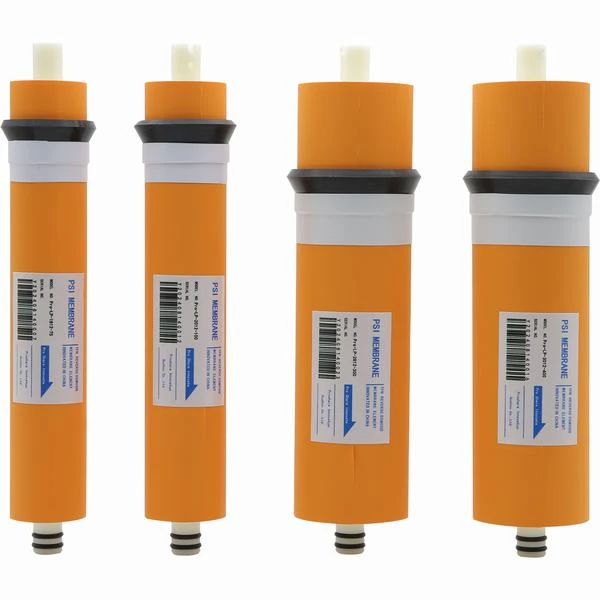
- Membrane Replacement: In some cases, membrane replacement may be necessary to restore the performance of the RO system. We offer a range of high-quality RO membranes, including Domestic Reverse Osmosis Membrane, Domestic Reverse Osmosis Membrane 2012, and Domestic RO Membrane Element 2812. Our membranes are designed to provide high performance and long lifespan, even in challenging operating conditions.
Contact Us for RO Membrane Cleaning and Replacement
If you are experiencing problems with RO membrane fouling, or if you are interested in learning more about our RO Membrane Cleaning and replacement services, please contact us. We have a team of experienced professionals who can provide you with expert advice and solutions to meet your specific needs. We are committed to providing high-quality products and services at competitive prices, and we look forward to working with you to ensure the optimal performance of your RO system.
References
- Cheryan, M. (1998). Ultrafiltration and Microfiltration Handbook. Technomic Publishing.
- Mulder, M. (1996). Basic Principles of Membrane Technology. Kluwer Academic Publishers.
- Porter, M. C. (1990). Handbook of Industrial Membrane Technology. Noyes Publications.
Send Inquiry