


Can I clean the RO membrane with a mild acid other than hydrochloric acid?
Jul 03, 2026
Leave a message
Can I clean the RO membrane with a mild acid other than hydrochloric acid?
As a supplier of RO Membrane Cleaning services, I often receive inquiries from customers about alternative cleaning agents for their reverse osmosis (RO) membranes. One common question is whether it's possible to clean the RO membrane with a mild acid other than hydrochloric acid. In this blog post, I'll explore this topic in depth, discussing the benefits and drawbacks of using mild acids, and providing some alternatives to hydrochloric acid.
Understanding RO Membrane Fouling
Before we delve into the topic of cleaning agents, it's important to understand the nature of RO membrane fouling. RO membranes are designed to remove impurities from water by allowing only water molecules to pass through while blocking contaminants. Over time, however, these membranes can become fouled with various substances, such as scale, organic matter, and microorganisms. This fouling can reduce the membrane's performance, leading to decreased water production, increased energy consumption, and poor water quality.
The Role of Acid Cleaning
Acid cleaning is a common method used to remove scale and other inorganic deposits from RO membranes. Hydrochloric acid (HCl) is one of the most widely used acids for this purpose due to its effectiveness in dissolving calcium carbonate, magnesium hydroxide, and other common scale-forming compounds. However, hydrochloric acid is a strong acid that can be corrosive and hazardous if not handled properly. It also has a strong odor and can release toxic fumes, making it less suitable for use in certain environments.
Benefits of Using Mild Acids
Using a mild acid for RO membrane cleaning offers several advantages over hydrochloric acid. First, mild acids are generally less corrosive and safer to handle, reducing the risk of damage to the membrane and the equipment. Second, they have a lower odor and produce fewer toxic fumes, making them more suitable for use in enclosed spaces or areas with poor ventilation. Third, mild acids can be more effective in removing certain types of fouling, such as organic matter and biofilms, which may not be easily removed by hydrochloric acid alone.
Alternatives to Hydrochloric Acid
There are several mild acids that can be used as alternatives to hydrochloric acid for RO membrane cleaning. Here are some of the most common ones:
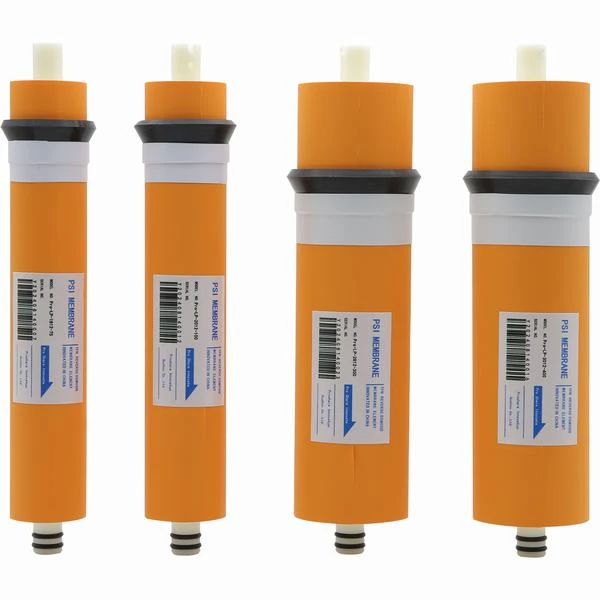

- Citric Acid: Citric acid is a natural acid found in citrus fruits. It is a mild acid that is non-toxic and biodegradable, making it a safe and environmentally friendly option for RO membrane cleaning. Citric acid is effective in removing calcium carbonate scale and other inorganic deposits, as well as some organic matter. It can also help to prevent the formation of new scale by chelating metal ions in the water.
- Acetic Acid: Acetic acid, also known as vinegar, is a mild acid that is commonly used in household cleaning products. It is a weak acid that is relatively safe to handle and has a low odor. Acetic acid is effective in removing calcium carbonate scale and some organic matter, but it may not be as effective as hydrochloric acid or citric acid in removing more stubborn deposits.
- Phosphoric Acid: Phosphoric acid is a moderate-strength acid that is commonly used in industrial cleaning applications. It is effective in removing calcium carbonate scale, iron oxide, and other inorganic deposits, as well as some organic matter. Phosphoric acid can also help to passivate the membrane surface, preventing the formation of new scale and corrosion.
- Sulfamic Acid: Sulfamic acid is a strong acid that is commonly used in industrial cleaning applications. It is effective in removing calcium carbonate scale, magnesium hydroxide, and other inorganic deposits, as well as some organic matter. Sulfamic acid is less corrosive than hydrochloric acid and has a lower odor, making it a more suitable option for use in certain environments.
Considerations When Using Mild Acids
While mild acids offer several advantages over hydrochloric acid, there are some considerations to keep in mind when using them for RO membrane cleaning. First, the effectiveness of the acid will depend on the type and severity of the fouling. In some cases, a stronger acid may be required to remove stubborn deposits. Second, the concentration and pH of the acid solution will need to be carefully controlled to ensure that it is effective without causing damage to the membrane. Third, the cleaning process will need to be followed by a thorough rinse to remove any residual acid from the membrane.
Conclusion
In conclusion, it is possible to clean the RO membrane with a mild acid other than hydrochloric acid. Mild acids offer several advantages over hydrochloric acid, including lower corrosiveness, lower odor, and greater safety. There are several mild acids that can be used as alternatives to hydrochloric acid, including citric acid, acetic acid, phosphoric acid, and sulfamic acid. However, it is important to consider the type and severity of the fouling, as well as the concentration and pH of the acid solution, when choosing a cleaning agent. If you have any questions or need further assistance with RO membrane cleaning, please don't hesitate to contact us.
Product Links
Contact Us for Procurement
If you're interested in purchasing RO membrane cleaning products or services, we're here to help. Our team of experts can provide you with personalized advice and solutions to meet your specific needs. Whether you're a homeowner looking to maintain your Domestic Reverse Osmosis Membrane or a business owner in need of a reliable Commercial RO Membrane cleaning solution, we have the expertise and products to ensure your RO system operates at its best. Don't hesitate to reach out to us for a consultation and let's discuss how we can help you optimize your RO membrane performance.
References
- Cheryan, M. (1998). Ultrafiltration and Microfiltration Handbook. Technomic Publishing.
- Flemming, H.-C., & Wingender, J. (2010). The Biofilm Matrix. Nature Reviews Microbiology, 8(9), 623-633.
- Porter, M. C. (1990). Handbook of Industrial Membrane Technology. Noyes Publications.
Send Inquiry